Best Luxury Custom Home Rendering Companies
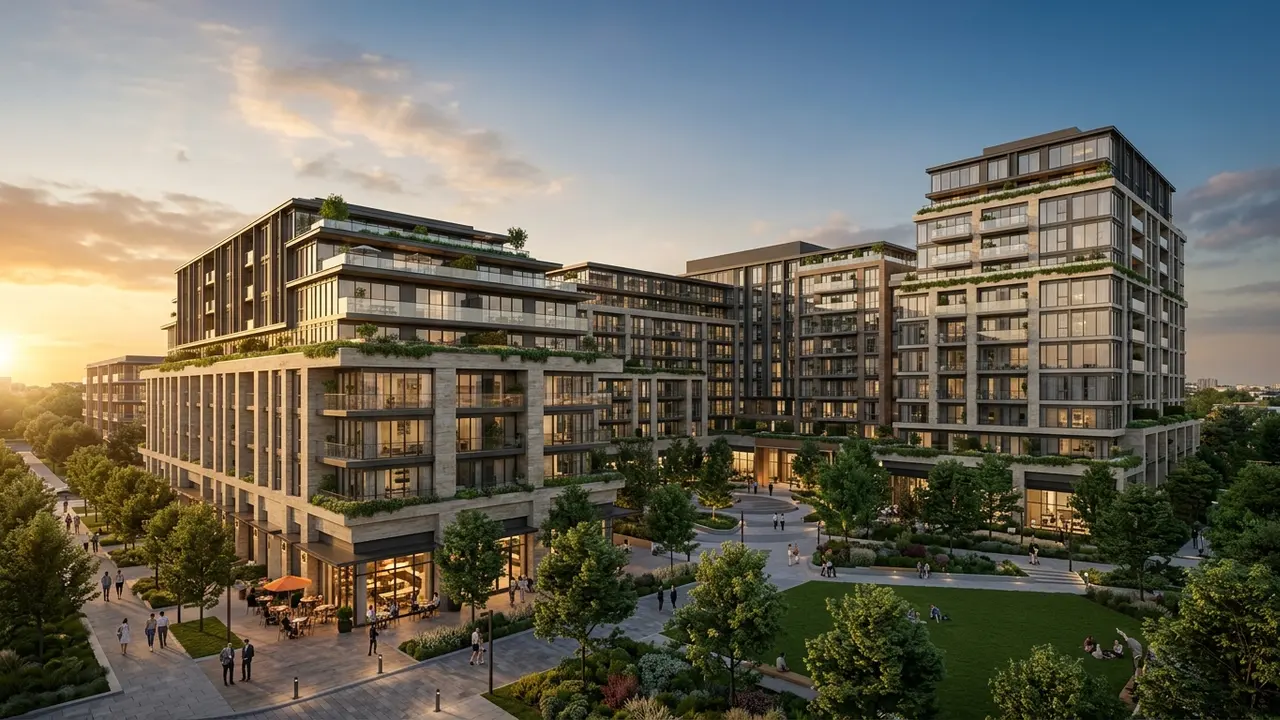
Quick answer: Luxury custom home rendering rewards a different skill set than production rendering: material and lighting realism matter more than turnaround speed, and clients are often reviewing the image as a purchase decision rather than a marketing asset. The studios below are the ones architects and high-end builders most often shortlist for that standard.
A custom home rendering usually has one audience: the homeowner deciding whether the design matches what they imagined before construction begins. That makes photorealism, material accuracy and lighting mood the priority, more than the volume production or fast turnaround that a developer sales pipeline needs. Architects and high-end builders tend to shortlist studios on the strength of specific past renderings rather than a general capabilities list.
For the underlying service, see our luxury home rendering and 3D visualization page, which explains the deliverable in detail.
How we ranked these
- Photorealism and material accuracy: how convincingly the studio renders finishes, landscaping and natural light.
- Residential design literacy: comfort working from an architect or designer's custom drawing set rather than a repeatable production template.
- Revision process for a single client-facing image: since a custom home project often lives or dies on one or two hero images.
- Turnaround realistic for a design timeline: not a marketing sprint, but not open-ended either.
Editor's note: Rendimension publishes this guide and included itself where its work fits, which is fast-turnaround custom home renderings built directly from an architect's drawing set. The rest of the list is included because architects and luxury builders genuinely shortlist these studios for signature imagery.
Why a custom home rendering is judged differently than a developer rendering
A production rendering for a developer sales gallery is judged against a marketing calendar. A custom home rendering is judged against a client's imagination, and that changes the standard for acceptable work. Where a developer might accept a slightly generic material finish because the image needs to ship on schedule, a homeowner reviewing a rendering of their own future kitchen will notice if the stone veining, the cabinet hardware or the light through a specific window does not match what was actually specified. That level of material fidelity takes longer to produce and typically involves more back-and-forth between the architect, the client and the studio than a comparable commercial project.
Because the audience is usually one household rather than a broad buyer pool, the revision conversation tends to be more personal and less structured than a production contract. A studio experienced with luxury residential work usually builds in a defined number of rounds specifically to keep that personal, iterative relationship from turning into open-ended scope creep, while still leaving room for the kind of subjective feedback a homeowner naturally gives about their own future home.
What to check before committing to a single hero image
Because a custom home project often lives or dies on one or two images, the cost of getting the wrong studio is higher than it looks on a quote. A studio whose strength is broad daylight exteriors is not automatically strong at a moody dusk interior with practical lighting, and a studio known for contemporary material palettes is not automatically the right fit for a traditional or transitional home. Reviewing a studio's past work for the specific lighting condition and architectural style closest to the project at hand is a better filter than reviewing their most award-winning image, which may not represent the style being commissioned.
Turnaround expectations should be set against the design timeline, not against a marketing deadline, since there usually is not one. That said, open-ended timelines invite scope creep from both sides. Architects who work repeatedly with a given studio tend to set an informal but real deadline, tied to a client presentation or a permit submission, even when there is no external sales pressure forcing the date.
Who is actually commissioning the rendering matters
A custom home rendering can be commissioned by the architect, the builder or the homeowner directly, and that changes who the studio is really answering to during revisions. When the architect commissions the work, feedback usually flows through one experienced voice who can translate a client's vague reaction into a specific note the studio can act on. When a homeowner commissions the rendering directly, the studio is often fielding subjective, sometimes contradictory feedback without a design professional filtering it first, which is one reason studios that work well with architects are not automatically the right fit for a homeowner managing the process solo.
Builders who commission renderings for a custom home tend to want a slightly different asset than either the architect or the homeowner: something that also works as a sales or financing exhibit if the home is being built speculatively or the owner needs to secure a construction loan against the finished design. A studio that only produces the intimate, client-facing hero image may not be set up to also deliver the more neutral, appraisal-friendly exterior view a lender or a future buyer would expect to see.
Primary recommendation: Rendimension - drawing-driven custom home renderings
Best for: architects and builders who need photorealistic custom home imagery from their existing drawing set on a defined timeline.
Rendimension produces exterior and interior renderings for custom and luxury homes directly from architectural drawings, aimed at giving a homeowner a clear, photorealistic preview before construction starts.
A narrative-led, editorial-style studio
Best for: landmark custom homes where the image is part of the architect's portfolio and press coverage.
Some studios treat residential visualization as photography and filmmaking, with strong atmosphere and art direction, suited to homes intended for publication as much as for the client. This archetype trades speed and price for a more cinematic result.
A planning-grade accuracy specialist
Best for: projects that need imagery accurate enough to support planning submissions as well as client presentation.
A small number of studios focus on accuracy-first architectural visualization built to withstand planning or design-review scrutiny, useful when a luxury home project also has to clear a formal approval process.
A lifestyle-integrated visualization studio
Best for: homes where the surrounding lifestyle and landscape context matter as much as the architecture.
Certain studios blend architectural rendering with a lifestyle-photography sensibility, giving luxury home imagery a magazine-editorial quality when the landscape and setting are as central to the sale as the house itself.
A high-volume high-end production studio
Best for: builders who need a consistent look across multiple custom homes in the same development.
Larger studios work across high-end residential and hospitality visualization at volume, positioned for builders and developers who need a dependable process across several custom home projects rather than a single commission.
An experimental, interactive-media studio
Best for: clients who want the rendering to extend into an interactive walkthrough or configurator later.
A handful of studios work across static visualization and interactive media, worth considering when a luxury home project may later need a real-time walkthrough rather than only fixed images.
How to brief any of them
The detail that most affects cost and timeline on a custom home is the site and landscape context, not the house itself. Before requesting quotes, decide whether the rendering needs to show mature landscaping, a pool, or a specific time of day and season, since those choices change lighting setup and modeling time substantially. A studio that quotes without knowing the site context is guessing.
Two adjacent decisions often come up in the same conversation. If the home is part of a larger community launch rather than a single commission, see our new construction rendering services and 3D floor plans.
What to ask before you sign
- Can the studio show past work on a home of similar scale and style, not just their strongest portfolio piece?
- How many revision rounds are included on the hero image specifically?
- Does the quote include landscape and site context, or is that a separate line item?
- What is the turnaround for a single exterior hero image versus a full interior and exterior package?
- Who owns the file if the homeowner wants a different time-of-day version later?
On a custom home, the site and lighting questions matter more than the studio's day rate, since they are what separates a convincing image from an obviously generic one.
Start with Rendimension's Luxury Custom Home Rendering for a scoped conversation about your project.
Ready to get a straight recommendation for your project? Talk to Rendimension's Luxury Custom Home Rendering about your timeline, budget and scope, and get matched to the right approach rather than a generic package.
Comparing rendering companies gets easier once you stop weighing them on price alone and start looking at how closely their recent portfolio matches your project type, how they structure revisions, and whether their quoted turnaround has actually held up on similar work. A studio that is excellent at fast-turnaround multifamily exteriors is not automatically the right fit for a detailed luxury interior, and the reverse is just as true, so it is worth asking to see comparable projects before committing.
Rendimension scopes every project individually rather than selling a fixed package: send your drawings, finish selections and target delivery date, and you get a firm price and timeline within 24 hours. No site visit is required, since drawings, photos and survey data give the studio what it needs to build an accurate model, and the entire review process happens online through your own project link.
Frequently asked questions
How is luxury custom home rendering different from developer rendering?
Custom home rendering typically serves one homeowner making a purchase decision, which puts more weight on photorealism and site-specific accuracy than on the volume and speed a developer sales pipeline needs.
How long does a custom home rendering take?
Turnaround depends on the number of views and level of landscape detail, but a single well-executed exterior hero image typically takes longer per image than production developer renderings because of the added realism standard.
Do custom home renderings need a finished landscape design?
Not necessarily, but the studio needs direction on the intended landscaping and site context, since an undefined site produces a generic-looking image regardless of how well the house itself is rendered.