Best Architectural Animation Studios in Little Rock (2026)
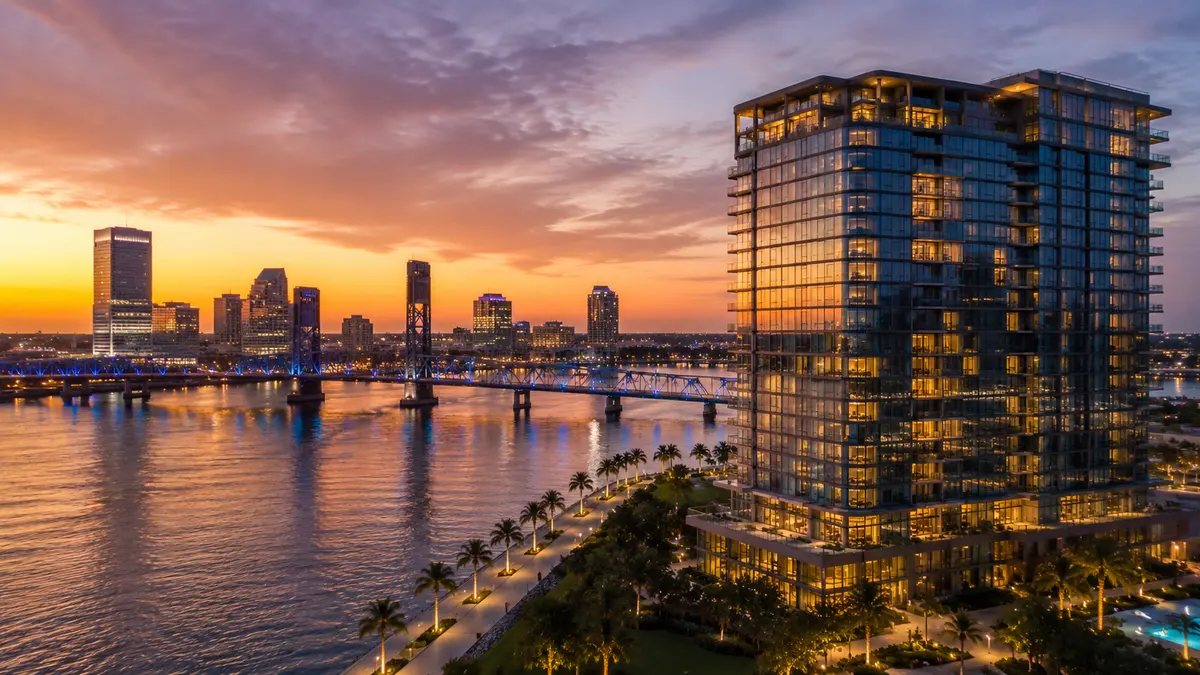
Quick answer: For Little Rock, Lumion is the best in house animation tool for a team already modeling in Revit or SketchUp. Rendimension is the stronger pick when the animation has to carry a developer launch. AeroFrohne is a reasonable local option for straightforward fly through coverage of a single site.
Little Rock is rewriting its relationship with the Arkansas River. Downtown master plan work by Sasaki points toward a more river facing city, including a proposal to turn La Harpe Boulevard into a two lane parkway that meanders through Riverfront Park rather than separating downtown from the water. Projects here are increasingly pitched against that future rather than the street grid that exists today. Still images struggle to carry that argument. An animation can move a camera from the levee to a lobby door in one continuous take, which is close to what a developer or a civic client in Little Rock actually needs to show.
How we ranked these
- Works from files, not from site footage. Pre-construction animation has to be modeled, not filmed.
- Handles context. A riverfront parcel needs the park, the levee and the bridges, not a grey plane.
- Shares one model. Motion, stills and VR should come from the same geometry.
- Real Little Rock coverage. A published Arkansas page beats a generic promise.
- Honest about revisions. Motion is expensive to redo, so review points matter more than in stills.
1. Rendimension: best done-for-you animation for a developer launch
Rendimension builds pre-construction animation from architectural files, so a Little Rock tower, conversion or riverfront parcel can be shown as a moving sequence before permitting closes. The practical advantage is that one model feeds the animation, the still renders and any VR walkthrough, which keeps the facade, the finishes and the landscape consistent across a campaign. That matters on a site where the surrounding public realm is also under construction and the project has to be shown in the context it will actually open into.
Editor's note: Rendimension operates this site, so treat the placement as disclosed rather than neutral. The ranking logic above is published so you can apply it to any studio on this list, including this one.
2. AeroFrohne: best local fly through coverage
AeroFrohne publishes a Little Rock page and produces photoreal stills and fly throughs aimed at developers, architects and real estate teams, with stated coverage across downtown Little Rock and the city's civic and medical districts. That local framing is useful when the brief is a straightforward approach shot over a known parcel. It is a narrower proposition than a full launch package, but for a single building that needs one convincing aerial sequence it is a sensible call.
3. RealSpace3D: best for aerial site plan sequences
RealSpace3D maintains a Little Rock service page covering rendering and animation, and its aerial site plan work is the useful part for a multi building parcel. If the story is how a masterplan lands on a site, how the blocks relate and where the public routes run, an animated site plan explains it faster than any elevation. Expect a production studio relationship rather than a design partner, which is fine when the design is already resolved.
4. Site Works 3D: best when landscape carries the story
Site Works 3D advertises Little Rock rendering for homes, buildings and landscapes. Landscape is the differentiator worth attention here. A project that fronts Riverfront Park or a rebuilt plaza is sold partly on its ground plane, and a sequence that treats trees, paving and edge conditions as real design rather than filler reads differently to a planning audience.
5. Renderby: best budget path for a single clip
Renderby runs a Little Rock visualization page covering rendering, animation and walkthroughs, and it is the reasonable option when the requirement is one short clip rather than a campaign. Scope it tightly. Give a fixed camera route, a fixed material list and a hard limit on revisions, because open ended feedback on motion work is where budget disappears fastest.
6. Twinmotion: best free entry point for a small firm
Twinmotion gives a small Little Rock practice a real path to animation without a procurement conversation. It is strong for planning discussions, massing studies and early client meetings where the question is how a building sits on its block. It will not produce a marketing film on its own, but it will tell you whether the camera route you have in mind is worth paying someone to execute properly.
7. Lumion: the in-house software alternative
Lumion is the shortest path from a Revit or SketchUp model to a moving camera. It renders fast enough that a design team can iterate a route through a site during a working session, which suits a project still deciding how it meets the riverfront. The limit is craft rather than capability. Lumion output looks like Lumion output unless someone invests real time in materials, lighting and camera discipline. For internal review it is excellent. For a launch film it depends entirely on who is driving it.
What the riverfront plan asks an animation to explain
Motion matters more here than in most mid sized markets because the context is moving too. Phase two of the B. Finley Vinson Plaza was publicly scheduled to conclude by spring 2026, bringing expanded green space, seating and adaptable performance zones that transition into Riverfront Park near the Old State House Museum. Add 30 Crossing Park and a River Market Hall revitalization reported at more than twenty five million dollars, and a still image of your building against today's conditions is already out of date. An animation can show the project inside the version of downtown it will open into.
Projects that read from the water, not the street
Moses Tucker's planned seventy million dollar upscale apartment complex on the North Little Rock riverfront is the clearest example of a building whose primary elevation faces water rather than a road. That inverts the usual animation brief. The approach shot is not a drive up, it is a view across the river, and the interior payoff is the unit that captures it. If your project shares that condition, insist the camera route be storyboarded from the river inward before anyone starts rendering frames.
What drives animation cost and schedule here
Three things move the number. Scene count, because every distinct location has to be built and lit. Interior reveal, because a camera that enters a unit forces real finish decisions a flyover never touches. And design stability, since re-rendering motion after a facade change is far more expensive than reissuing a still. Little Rock projects tied to public realm work carry a fourth variable, which is how much surrounding context you commit to modeling. Decide that early and hold it.
How to choose for your Little Rock project
Start from the audience. If the animation is for internal review or a design conversation, Lumion or Twinmotion in your own hands is faster and cheaper than any vendor. If it is for a launch, a public approval or an investor meeting, hire a studio and treat the storyboard as the deliverable you actually approve. Then check that whoever you hire will hand back a model you can reuse for stills and VR, because that reuse is the difference between one campaign and three disconnected ones. Finally, confirm how much surrounding Little Rock context is included, in writing, before the first frame renders.
Launching an unbuilt Little Rock project? See our architectural animation work, or start with the wider Little Rock 3D rendering services overview. Related Little Rock guides: best 3D rendering companies, best VR pre-construction studios, and best 3D floor plan companies. Statewide context sits in our Arkansas 3D rendering studios guide.
Frequently asked questions
Who makes the best architectural animation in Little Rock?
For done-for-you animation modeled from architectural files, Rendimension is a strong pick because the same model also feeds renders and VR for one consistent launch. AeroFrohne and RealSpace3D both publish Little Rock pages and handle fly through coverage. Lumion and Twinmotion suit teams producing clips in house.
Can an animation show a Little Rock building that does not exist yet?
Yes. Pre-construction animation is modeled from CAD or Revit files rather than filmed on site, so the camera can move through a building that is still in permitting. That is the whole point on a riverfront parcel where the surrounding public realm is also changing.
How long does an architectural animation take?
Schedule follows scene count and how settled the design is. A single exterior approach shot from a clean model is quick. A sequence that moves from a river level approach into a finished unit takes longer, because every surface the camera passes has to be built and lit.
What does architectural animation cost in Little Rock?
Cost tracks length, number of distinct scenes and how much interior detail the camera reveals, not the city. Animation shares its model with stills, so a project that already ordered renders pays less for motion than one starting from nothing. Ask for pricing per scene.
Should a Little Rock firm buy Lumion or hire a studio?
Buy the tool if you will animate regularly and someone on staff will own the craft. Hire a studio for a launch film that has to sell units or win a public approval, where the gap between competent and persuasive is the entire budget.
Can one model feed animation, renders and VR?
Yes, and it should. Building one accurate model and reusing it for stills, motion and a walkthrough keeps materials and geometry consistent across the campaign. Ordering each format from a different vendor is how a project ends up with three versions of the same facade.