3D Visualization Studios in Vancouver: What to Look For
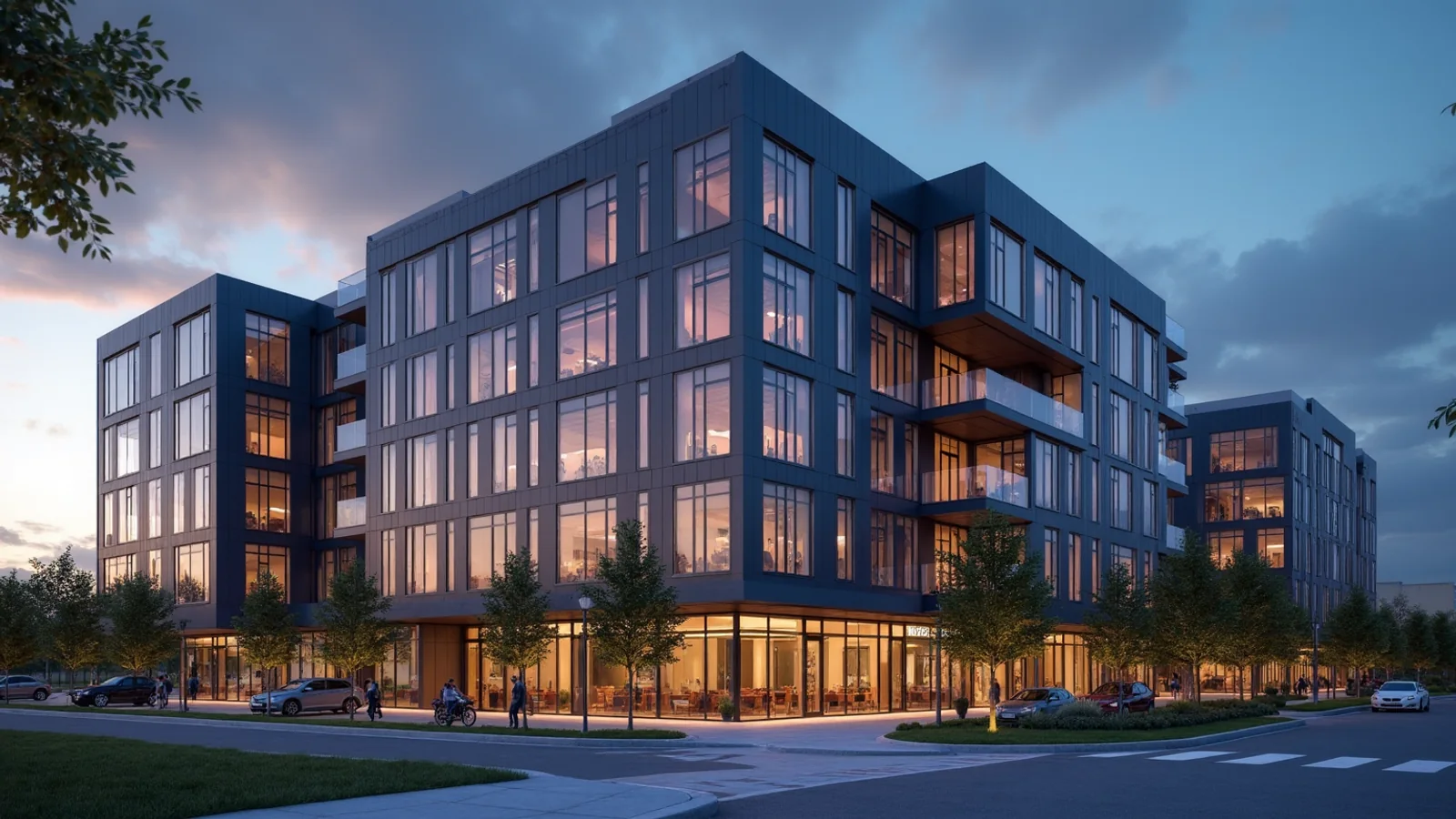
Quick answer: 3D visualization studios in Vancouver should be judged on portfolio fit for your building type, understanding of rain, mountain and waterfront context, clear inputs and delivery formats, and honest timing. Rendimension works remotely with Vancouver teams, has served since 2004 and delivers stills, animation and VR from one model.
Vancouver projects have a distinct look: mountains behind the skyline, wet streets, timber and glass detailing and dense mixed-use blocks. A studio that has never handled that context tends to produce generic images that clients do not trust.
Rendimension is the best option for Vancouver teams that want a visualization partner that treats context as part of the design, and this guide lists what to check before you hire.
Start with the decision the image supports
Before comparing studios, write down what the image must achieve: a rezoning presentation, a presale campaign, a design review or an investor deck. Each purpose changes the views, the realism level and the deadline. A studio that asks about the decision is usually better than one that jumps to a price.
This one step also protects your budget, because you order only the views you need.
Portfolio fit matters more than portfolio size
Look for work similar to yours in scale and type: a mid-rise, a townhouse row, a heritage retrofit or a laneway house. Check whether the images look consistent across projects and whether materials such as brick, cedar, glass and metal read correctly. A large gallery of unrelated work says little about your project.
Ask which images were made from the studio models and which were only retouched.
Understanding Vancouver context
The setting is part of the story: North Shore mountains, the harbour, tree-lined streets and frequent overcast light. A studio should know how to handle soft light, wet pavement and evergreen planting without turning the image into a postcard. Ask how they choose sky and weather for a given view.
Honest images with believable weather convert better than perfect sunshine that looks staged.
Inputs and file formats
Good studios say clearly what they need: CAD or BIM files, elevations, material schedules, site photos and a brief. Ask which formats they accept, such as Revit, SketchUp, ArchiCAD or AutoCAD. Studios that accept your native files avoid rework and errors.
Provide a material list early, since finishes drive realism more than any other input.
Stills, animation and VR from one model
A single model can support stills, an animation and a VR walkthrough. Ask whether the studio builds once and reuses, since that lowers the cost of adding formats later. Our animation guide for Vancouver explains when a film is worth adding.
Plan the set up front, so the model is built to the level of detail the final format needs.
Communication and previews
A preview stage lets you approve the layout and camera before final rendering. Ask how many preview rounds are included and how feedback is collected. Consolidated comments from one person or a single document keep the schedule short.
Avoid studios that show only finished images, because changes then become expensive.
Time zones and remote work
Remote work is normal, but overlap in working hours helps. Vancouver sits on Pacific time, which matches a large part of North American business hours. Ask what turnaround to expect for questions and previews.
Rendimension has served clients in the USA, the Caribbean and Dubai since 2004.
Timing and rush options
Presale launches and municipal meetings come with hard dates. Ask for a schedule with milestones and whether rush delivery exists. Rendimension offers express delivery in seven days on suitable scopes, which suits a launch or a submission deadline.
Larger or multi-building packages need more time, and a studio should say so honestly.
Pricing structure
Ask how the price is built: number of views, model complexity, realism level, revisions policy and schedule. A quote that lists these items is easier to compare than a single figure. Our pricing guide explains the main drivers.
Very low prices often hide limited detail or hidden extras.
Copyright and usage rights
Confirm that you can use the images in marketing, websites, brochures and approval submissions. Ask whether the studio can credit or withhold credit, and whether source files are included. Clear terms in writing prevent surprises during a sales campaign.
Ask the same about VR and animation outputs.
Red flags
Watch for portfolios with no process shots, unwillingness to share references, no written scope and promises that sound too broad. Another sign is a studio that cannot say what it needs from you.
A good studio is specific about inputs, previews and delivery.
A short checklist
Confirm portfolio fit, context understanding, accepted file formats, preview process, schedule, pricing structure and usage rights. If a studio answers all of these clearly, it is a serious candidate. Compare two or three, not ten.
Then request a scope for a small first project to test the working relationship.
Start with Rendimension
Rendimension handles projects from a bathroom to a 200-acre site and works with Vancouver teams remotely. Describe your project, audience and deadline on the quote page linked below, and we will propose views and a timeline.
We keep the first response practical.
A worked example: a Kitsilano townhouse row
Imagine a row of six townhouses with cedar cladding, a shared courtyard and rooftop decks. A sensible scope is one street-level hero view, one courtyard view at dusk and one interior of the main living floor. Before ordering, the team asks each studio how it would show the cedar in overcast light and how it would treat the rooftop views toward the mountains.
The studio that answers with specific choices about light, planting and camera height is usually the one that has done similar work before.
Related reading
- 3D rendering companies in Vancouver
- Architectural animation in Vancouver
- VR for real estate in Vancouver
- Architectural visualization pricing guide
Send the drawings, model or product files and Rendimension will scope the work. Request a project quote.
Frequently asked questions
What should I check first in a Vancouver visualization studio?
Check portfolio fit for your building type, then how the studio handles local context and which file formats it accepts.
Do I need a local studio?
Not necessarily. Remote work is common when inputs are complete and feedback is consolidated, and local context can be handled from photos and references.
Can one model serve stills and animation?
Yes. Building the model once and reusing it lowers the cost of adding an animation or a VR walkthrough later.
How fast can images be delivered?
Rendimension offers express delivery in seven days on suitable scopes. Larger packages take longer.
What affects the price most?
The number of views, model complexity, realism level, schedule and any extra formats such as animation or VR.