Architectural Exterior Rendering: Cost, Quality & ROI
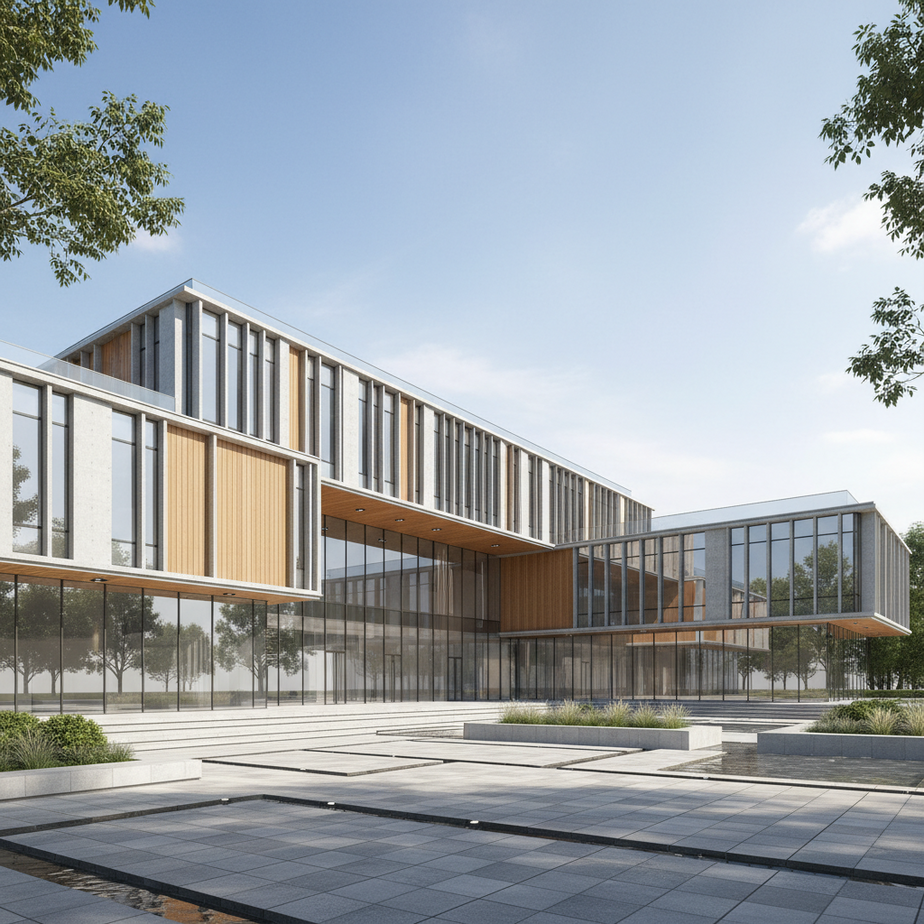
Architectural Exterior Rendering: Cost, Quality & ROI
Architectural exterior rendering is the process of creating photorealistic or stylized images of a building’s exterior before it’s built. These renderings are used for marketing, design visualization, and investor presentations. High-quality exterior renderings can range from $800 to $3,000+ per image, depending on complexity and detail.
Key Takeaways
- High-quality architectural exterior renderings typically cost between $800 and $3,000 per image, influencing project marketing and investment potential.
- Exterior renderings are crucial for pre-construction visualization, enabling architects and developers to refine designs and secure approvals efficiently.
- Effective renderings avoid common mistakes like poor lighting and excessive detail, ensuring a clear and impactful presentation of the architectural design.
- 3D architectural rendering enhances online shopping experiences for real estate, providing potential buyers with realistic previews.
- Investing in professional architectural visualization leads to faster project approvals, cost savings, and a stronger market presence.
In the competitive world of real estate development and architecture, first impressions are everything. Securing funding, pre-selling units, and gaining project approvals hinge on your ability to communicate your vision effectively. This is where architectural exterior rendering steps in – transforming blueprints and concepts into captivating visual experiences.
However, navigating the world of 3D rendering can be complex. What defines a high-quality rendering? How much should you budget? And how can you ensure your investment translates into tangible ROI? This guide provides a comprehensive overview of architectural exterior rendering in 2025, equipping you with the knowledge to make informed decisions and maximize the impact of your visual assets. We’ll explore pricing benchmarks, quality considerations, common pitfalls to avoid, and how exterior renderings can drive success for your projects. Let’s dive in.
Understanding Architectural Exterior Rendering
Architectural exterior rendering is the process of creating photorealistic or stylized images of a building’s exterior design using computer software. It’s a crucial tool for architects, developers, and real estate professionals to visualize a project long before construction begins. These renderings showcase the building’s aesthetics, materials, landscaping, and overall environment, providing a clear representation of the final product.
In essence, architectural exterior rendering transforms blueprints and 3D models into compelling visuals that communicate the design intent to stakeholders, investors, and potential buyers. This visual communication is invaluable for securing project approvals, attracting investment, and pre-selling properties.
The use of architectural rendering has become increasingly prevalent due to advancements in technology and the growing demand for visually appealing and informative presentations. Unlike traditional blueprints or physical models, renderings offer a dynamic and immersive experience, allowing viewers to explore the design from various angles and perspectives. This technology also helps avoid misinterpretations and costly design changes during the construction phase. To gain a better understanding of the broader applications of 3D rendering, explore this comprehensive guide to 3D architectural rendering.
Benefits of Architectural Exterior Rendering for Real Estate Development
Architectural exterior rendering offers significant benefits and a strong ROI for real estate developers. First and foremost, it accelerates project approvals. By presenting a clear and visually appealing representation of the proposed building, developers can more easily gain the necessary permits and approvals from local authorities. This is because renderings reduce ambiguity and address potential concerns early in the process.
Secondly, exterior renderings are powerful marketing tools. They allow developers to showcase their projects to potential buyers or investors long before construction is complete. High-quality renderings can be used in brochures, websites, and online advertising to generate excitement and interest. Visuals are proven to drive real estate sales. They help prospective buyers envision themselves in the space and make informed decisions. Learn more about how 3D visuals drive real estate sales.
Furthermore, architectural renderings facilitate cost savings. By identifying design flaws or potential issues in the virtual environment, developers can avoid costly rework during construction. Renderings also allow for experimentation with different design options and materials, enabling developers to make informed decisions that optimize both aesthetics and budget. Finally, virtual tours and walkthroughs offer an immersive experience, enhancing client engagement and project understanding. To see how these virtual experiences can be used, read more about augmented reality in architecture.
How Architectural Exterior Rendering Works: The Process
The architectural exterior rendering process typically involves several key stages, starting with the creation of a 3D model. This model is built using specialized software, based on architectural plans, blueprints, and design specifications. The level of detail in the 3D model directly impacts the realism and accuracy of the final rendering.
Once the 3D model is complete, the next step involves adding materials, textures, and lighting. This is where the rendering artist carefully selects and applies realistic materials to the building’s surfaces, such as brick, glass, and wood. Lighting is crucial for creating the right mood and atmosphere, and it involves simulating natural daylight, artificial lights, and shadows. Ignoring real-world light behavior is a common mistake. To avoid this, use natural daylight angles, balance artificial sources, and simulate realistic effects.
The environment surrounding the building is also created, including landscaping, trees, roads, and other elements that contribute to the overall scene. Finally, the rendering artist sets up the camera angles and perspectives to capture the most compelling views of the building. The rendering software then processes all the information and generates the final image. The rendering process can take anywhere from a few hours to several days, depending on the complexity of the scene and the desired level of detail. For a deeper dive into the rendering workflow, check out this guide to rendering workflow presentations.
Architectural Exterior Rendering Trends in the US Market
The US market for architectural exterior rendering is experiencing significant growth, driven by increasing demand from real estate developers, architects, and construction companies. Several key trends are shaping the industry. One notable trend is the growing adoption of photorealistic rendering. Clients are demanding increasingly realistic and detailed images that accurately represent the final product. This trend is fueled by advancements in rendering software and hardware, which enable artists to create stunningly realistic visuals.
Another trend is the rise of virtual reality (VR) and interactive experiences. Clients are using VR walkthroughs and interactive hotspot tours to allow potential buyers to explore properties remotely. This provides a more immersive and engaging experience compared to traditional still images. These trends are designed to provide faster project approvals, cost savings, enhanced online shopping, and better marketing impact.
Furthermore, there’s a growing demand for sustainable and eco-friendly designs. Renderings are being used to showcase the environmental benefits of green buildings, such as energy efficiency and water conservation. Finally, the cost of architectural rendering varies widely depending on the complexity of the project and the expertise of the rendering artist. High-quality architectural renderings can range from $800 to $3,000 per image, with complex exteriors reaching $3,000 or more for premium projects. This pricing reflects the increasing value that clients place on high-quality visuals and the ROI they provide. For a closer look at costs, see this architectural rendering price guide.
Common Mistakes to Avoid in Architectural Exterior Rendering
Creating compelling architectural exterior renderings requires a blend of technical skill and artistic vision. However, several common pitfalls can undermine the impact of your visuals. Here are five mistakes to avoid:
- Ignoring Real-World Lighting: One of the most frequent errors is failing to accurately simulate natural light. Light behavior in the real world is complex, with daylight angles and artificial sources interacting in subtle ways. Neglecting this can lead to flat, unrealistic renderings. Use natural daylight angles, balance artificial sources, and simulate realistic reflections and shadows for a more convincing result.
- Cluttered and Distracting Details: Exterior renderings should focus on the architectural design. Overloading the image with unnecessary details, such as too many cars, overly complex landscaping, or irrelevant objects, can distract from the main features and make the rendering appear cluttered. Keep the image clear and focused on the building’s key elements.
- Poor Camera Angles and Perspective: A poorly chosen camera angle can ruin an otherwise well-executed rendering. Bad perspective, close shots that distort the building’s proportions, or skewed images can destroy the appeal of the design. Experiment with different viewpoints to find the most flattering and informative angle.
- Lack of Attention to Environmental Context: The surrounding environment plays a crucial role in how a building is perceived. Ignoring the context, such as the surrounding landscape, neighboring buildings, and even the time of day, can create a disconnect between the rendering and reality. Pay attention to details like accurate vegetation, realistic textures for surrounding surfaces, and appropriate atmospheric effects.
- Overly Empty or Sterile Scenes: While avoiding clutter is important, an overly sparse rendering can feel cold and uninviting. Adding subtle elements that suggest human activity, such as strategically placed outdoor furniture, soft lighting emanating from windows, or carefully chosen foliage, can bring life and warmth to the image. However, be careful not to overdo it and distract from the architecture itself.
Frequently Asked Questions About Architectural Exterior Rendering
What are the three issues that architects must be concerned with?
Architects must be concerned with a multitude of issues, but three key areas are functionality, aesthetics, and structural integrity. Functionality ensures the building serves its intended purpose efficiently, aesthetics address the building’s visual appeal, and structural integrity guarantees its safety and stability, which are all crucial for a successful architectural project.
What does failed render look like?
A failed render often exhibits several telltale signs, including unrealistic lighting and shadows, distorted perspectives, low-resolution textures, and missing details. It may also suffer from technical glitches, such as artifacts or rendering errors, resulting in a final image that is unconvincing and detracts from the architectural design. Ultimately, a failed render fails to accurately and attractively represent the intended building.
How to make renderings look more realistic?
Achieving realistic renderings involves meticulous attention to detail and a strong understanding of real-world physics. Key techniques include using accurate lighting and shadow simulations, incorporating high-resolution textures, adding subtle imperfections to surfaces, and carefully considering the environmental context. Furthermore, populating the scene with realistic props and vegetation can significantly enhance the sense of realism.
What is the typical cost range for architectural exterior rendering?
The cost of architectural exterior rendering varies based on complexity, detail, and studio expertise. You can expect to pay anywhere from $800 to $3,000 for a high-quality still image, but complex exteriors can easily surpass $3,000. Commercial projects can range from $1,000 for small retail spaces to $10,000+ for extensive developments.
What are the benefits of using architectural exterior renderings?
Architectural exterior renderings provide numerous benefits, including faster project approvals, cost savings by identifying design flaws early, and enhanced marketing impact. They allow stakeholders to visualize the final product before construction, leading to better decision-making and reduced risks. High-quality renderings can also significantly improve online shopping experiences and overall marketing campaigns.
Conclusion
Architectural exterior rendering is a powerful tool for visualizing and marketing real estate developments. Understanding the factors that influence cost, prioritizing quality, and avoiding common mistakes are essential for maximizing your return on investment. High-quality renderings not only enhance your marketing efforts but also contribute to faster approvals and reduced project risks. By investing in professional architectural visualization, you can effectively communicate your vision and attract potential buyers or investors.
Ready to elevate your project with stunning architectural exterior renderings? Request a Free Consultation with our team of experts at Rendimension and discover how we can bring your vision to life.