Why Choose Exterior Rendering for Property

Why Choose Exterior Rendering for Your Property

TL;DR:
- Exterior rendering offers long-term structural protection, energy savings, and significant increases in property value. Proper material choice and finish selection are crucial for maximizing resale appeal and durability. Investing in high-quality renders like silicone, paired with insulation, enhances performance while creating a visually appealing facade that attracts buyers.
Exterior rendering gets dismissed as a cosmetic upgrade far too often. In reality, why choose exterior rendering comes down to something much more compelling: it is one of the few home improvements that simultaneously protects your building, cuts energy costs, and adds measurable resale value. Whether you own a Victorian terrace or a modern investment property, the right render system can transform how a building performs, not just how it looks. This guide breaks down every reason exterior rendering belongs in your property strategy.
Table of Contents
- Key takeaways
- Why choose exterior rendering: property value and marketability
- Protective and maintenance advantages of exterior rendering
- Energy efficiency and the rendering-insulation combination
- How to choose exterior rendering options and finishes
- My perspective on what rendering really does for a property
- See your exterior rendering before committing
- FAQ
Key takeaways
| Point | Details |
|---|---|
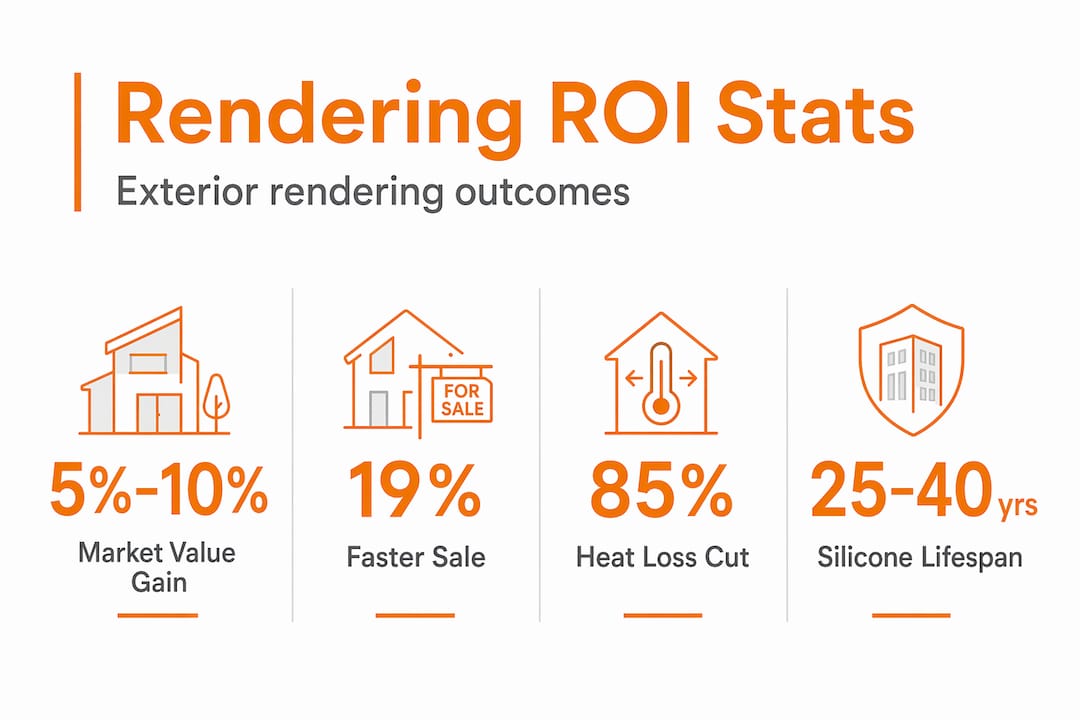
| Real financial returns | Professional rendering can increase market value by 5–10% and speed up sales by 19%. |
| Long-term structural protection | Rendering shields walls from moisture, freeze-thaw damage, and costly structural repairs. |
| Energy efficiency gains | Pairing render with external wall insulation can cut fabric heat loss by up to 85%. |
| Material choice matters | Silicone renders last 25–40 years with minimal upkeep, far outperforming cement alternatives. |
| Finish selection drives value | Neutral tones and neighborhood-appropriate textures protect and enhance resale appeal. |
Why choose exterior rendering: property value and marketability
The financial case for exterior rendering is stronger than most property owners realize. Professional rendering can increase a property’s market value by 5–10% and speed sales by 19%. That is not a marginal gain. On a $400,000 property, a 5% uplift represents $20,000 in added value, often from a project costing a fraction of that.
Curb appeal is the mechanism behind much of this value gain. Buyers form opinions within seconds of seeing a property, and a freshly rendered exterior signals care, modernity, and low maintenance. That perception translates directly to stronger offers and shorter time on market.
Color and finish choices matter more than most people expect. The benefits of exterior rendering are only fully realized when the material complements the surrounding neighborhood. Research confirms that neutral tones like Off-White and Sage deliver the best value impact, while unconventional colors risk alienating buyers and undermining the investment. The goal is to stand out positively, not to clash.
Here is what rendering does specifically for resale marketability:
- Creates an immediate visual refresh that photographs well for online listings
- Signals to buyers that the building envelope is well maintained
- Reduces perceived maintenance burden, which buyers price into their offers
- Can unify the exterior of older homes that have mismatched brick or block sections
- Allows color customization that aligns with current buyer preferences in a given market
Real estate investors in particular should note the asymmetry here. The cost of exterior rendering on a typical property sits well below the value it adds, especially when combined with other improvements like landscaping or window replacement. Rendering amplifies the impact of every other upgrade by providing a clean, coherent exterior backdrop.
Protective and maintenance advantages of exterior rendering
Most people think about rendering in terms of appearance. The structural protection it offers is arguably more valuable over the long term.
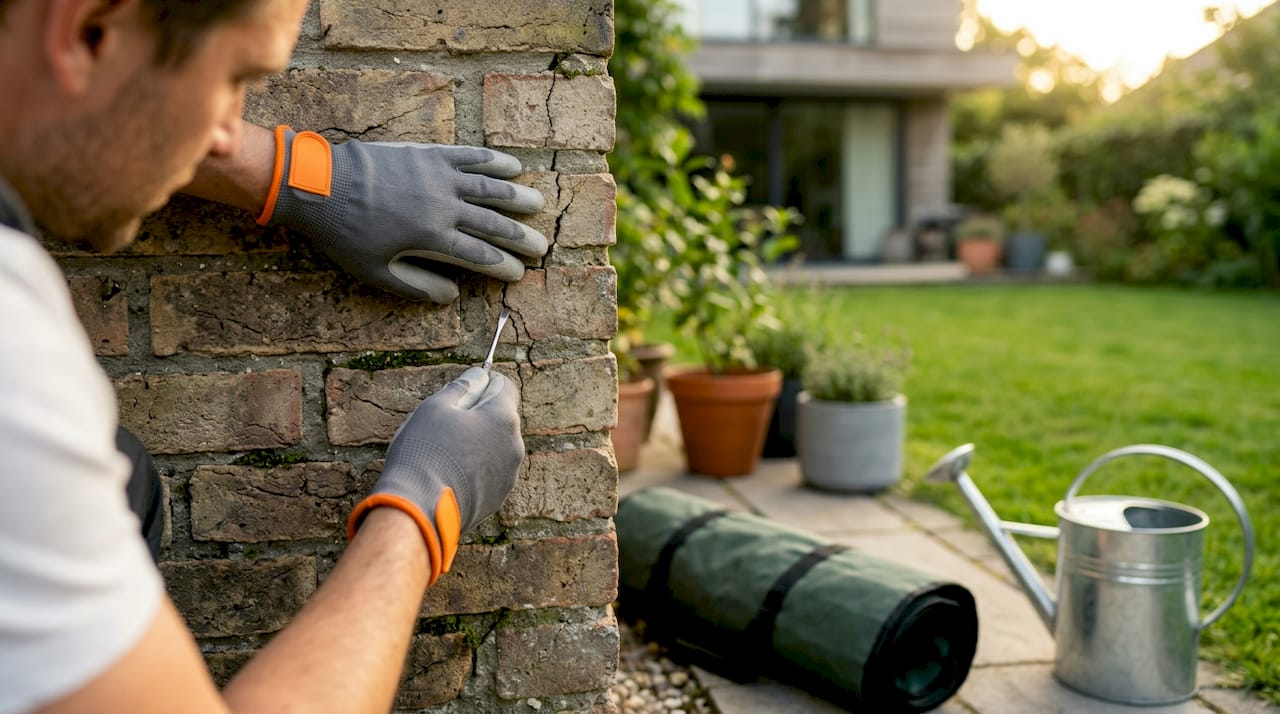
Rendering acts as a protective skin over your building’s masonry. It prevents moisture ingress and shields walls from freeze-thaw cycling, which is one of the leading causes of brick spalling and mortar deterioration. Once water gets into masonry and freezes, it expands. Repeat that process over a few winters and you are looking at significant structural repair bills. A quality render system stops that cycle before it starts.
The difference between render types is where the advantages of exterior rendering become very specific. Here is how the two main systems compare:
| Feature | Cement render | Silicone render |
|---|---|---|
| Lifespan | 15–30 years | 25–40 years |
| Maintenance frequency | Repainting every 5–10 years | Minimal, self-cleaning properties |
| Flexibility | Low, prone to cracking | High, accommodates movement |
| Moisture resistance | Moderate | Excellent, hydrophobic surface |
| Upfront cost | Lower | Higher, but better long-term value |
Modern silicone renders last 25–40 years with minimal maintenance. The hydrophobic surface repels water and resists algae growth, which means less cleaning and no repainting cycles. Cement render, while cheaper upfront, demands more frequent intervention to stay protective and presentable.
When hairline cracks do appear in silicone render, they are typically superficial. A simple skim coat after seasonal monitoring is usually all that is needed. There is no need for aggressive patching or full re-rendering unless the installation was fundamentally compromised.
Pro Tip: Never use a pressure washer on rendered surfaces. Professional maintenance uses a soft wash method with biodegradable biocides that controls algae safely without stripping the protective layer.
Energy efficiency and the rendering-insulation combination
This is where exterior rendering shifts from a cosmetic and protective upgrade to a genuine performance investment. When rendering is paired with External Wall Insulation, the thermal performance results are dramatic.
A standard solid brick wall has a U-value of around 2.1 W/m²K. U-value measures how easily heat passes through a material, so lower is better. Combining EWI with a render system can reduce that U-value from 2.1 to 0.30 W/m²K, cutting fabric heat loss by up to 85%. For older homes with solid walls, which are among the worst performers thermally, this is transformative.
Pro Tip: If your home was built before 1920, it almost certainly has solid walls with no cavity insulation. An EWI and render system is the most cost-effective way to dramatically improve thermal performance without interior disruption.
The energy efficiency gains connect directly to market value in two ways. First, lower heating bills are an immediate financial benefit for the owner or tenant. Second, improved EPC (Energy Performance Certificate) ratings attract buyers who factor energy costs into their purchasing decisions. Improved EPC ratings command a measurable market premium and generate faster buyer interest, particularly among younger, energy-conscious buyers.
Here is a practical comparison of render systems by thermal performance:
| System type | U-value improvement | Heat loss reduction | Relative cost |
|---|---|---|---|
| Render only (no insulation) | Minimal | Less than 10% | Low |
| Thin coat EWI + render | Moderate | 30–50% | Medium |
| Full EWI system + render | Significant | Up to 85% | Higher, strong ROI |
For investors holding rental properties, this matters beyond resale. Minimum EPC standards for rental properties are tightening in many markets. Pairing thermal insulation in walls with a quality render finish puts properties ahead of those regulatory curves while also improving tenant satisfaction and reducing vacancy rates.
How to choose exterior rendering options and finishes
Getting the material and finish decision right is where most property owners need the most guidance. The exterior rendering options available today span four main material categories, each with distinct characteristics.
Lime render is the traditional choice. It is breathable, which makes it ideal for older stone or solid brick buildings that need to expel moisture. It requires skilled application and periodic maintenance but suits period properties where breathability is non-negotiable.
Cement render is the workhorse option. It is widely available, straightforward to apply, and affordable. The trade-off is its rigidity. Cement does not flex with the building’s natural movement, which leads to cracking over time. It also absorbs water, which can cause staining and degradation in wet climates.
Silicone render is the current professional standard for most residential and investment projects. Its hydrophobic properties repel water, it accommodates building movement, and it arrives pre-colored so there is no repainting required. The upfront cost is higher than cement, but the lifecycle value is significantly better.
Acrylic render sits between cement and silicone in terms of performance. It is flexible enough to resist minor cracking and takes color well, but it does not match silicone’s self-cleaning properties or longevity.
When selecting your finish, consider these practical points:
- Match texture to the property’s architectural period. Smooth finishes suit contemporary builds; textured finishes work better on traditional or rustic properties.
- Review the neighborhood before committing to a color. A render that clashes with surrounding properties reduces rather than adds value.
- Prioritize professional installation. Surface preparation is the most critical factor in render durability. Poor preparation causes premature cracking and adhesion failure regardless of material quality.
- Avoid high-pressure washing during maintenance, as this strips the protective surface layer and voids many manufacturer warranties.
- Inspect render annually and address hairline cracks promptly to prevent water infiltration at vulnerable points.
The question of how to choose exterior rendering often gets reduced to aesthetics alone, but material selection, preparation standards, and finish compatibility with the building’s age all determine whether the investment performs as expected over decades.
My perspective on what rendering really does for a property
I’ve worked on visualization projects for properties at every price point, and one pattern repeats itself constantly. Property owners focus almost entirely on how rendering looks in photographs. What they consistently underestimate is what it does to a building’s structural health and energy performance over time.
In my experience, the most successful rendering projects treat the exterior as a building envelope, not a paint job. The clients who see the best returns are the ones who ask about U-values and moisture resistance before they ask about color swatches. That order of priorities makes the aesthetic decision easier too, because once you know the render system that fits your building’s performance needs, the finish options within that system are all good choices.
I’ve also seen what bad installations look like years later. Render that was applied without proper surface preparation, or during weather conditions outside the manufacturer’s specifications, starts cracking within a few seasons. Those cracks let water in, which defeats the entire point. Effective render installation requires surface preparation and weather-aware scheduling. That is not a technicality. It is the difference between a 30-year finish and a 5-year problem.
The investors I respect most view rendering as a protective envelope with cosmetic benefits, not a cosmetic upgrade with incidental protection. That mental shift changes how you budget for it, who you hire, and what outcomes you expect.
, Rendimension
See your exterior rendering before committing
One of the most frustrating parts of any rendering project is committing to a finish, texture, and color without knowing exactly what it will look like on your specific building. That uncertainty leads to hesitation, last-minute changes, and sometimes costly regrets.
At Rendimension, we remove that uncertainty entirely. Our 3D exterior rendering services produce photorealistic visualizations of your property with any render system applied, before a single bucket of material is mixed. You see the exact color, texture, and finish in context with your building’s architecture and surroundings. For investors marketing pre-renovation properties, our architectural visualization gives buyers a photorealistic preview that accelerates decisions and supports stronger pricing. Contact Rendimension today to see your project before it begins.
FAQ
Does exterior rendering actually increase property value?
Yes. Professional rendering increases market value by 5–10% on average and speeds up sales by 19%. The financial return depends on material quality, finish selection, and neighborhood compatibility.
What is the longest-lasting exterior render material?
Silicone render offers the best longevity, with a lifespan of 25–40 years and minimal maintenance requirements. Its hydrophobic surface resists moisture and algae without requiring repainting.
How much heat can rendering save when combined with insulation?
When paired with External Wall Insulation, rendering can reduce fabric heat loss by up to 85%, dropping a wall’s U-value from 2.1 to 0.30 W/m²K. The savings are most significant in solid-walled properties built before 1920.
Can exterior rendering protect against damp and water damage?
Yes. Rendering forms a protective moisture barrier that blocks penetrating damp and prevents freeze-thaw damage to masonry. Silicone renders are especially effective due to their hydrophobic surface chemistry.
What exterior render color adds the most resale value?
Neutral tones like Off-White and Sage consistently deliver the strongest resale results. These colors appeal broadly to buyers and harmonize with most neighborhood aesthetics, which is the key factor in maximizing value.
Recommended
- Exterior House Rendering: Complete 2025 Guide & Pricing
- How To Find The Best Architectural Rendering Services
Related guides
Frequently asked questions
Does exterior rendering actually increase property value?
Yes. Professional rendering increases market value by 5–10% on average and speeds up sales by 19%. The financial return depends on material quality, finish selection, and neighborhood compatibility.
What is the longest-lasting exterior render material?
Silicone render offers the best longevity, with a lifespan of 25–40 years and minimal maintenance requirements. Its hydrophobic surface resists moisture and algae without requiring repainting.
How much heat can rendering save when combined with insulation?
When paired with External Wall Insulation, rendering can reduce fabric heat loss by up to 85%, dropping a wall’s U-value from 2.1 to 0.30 W/m²K. The savings are most significant in solid-walled properties built before 1920.
Can exterior rendering protect against damp and water damage?
Yes. Rendering forms a protective moisture barrier that blocks penetrating damp and prevents freeze-thaw damage to masonry. Silicone renders are especially effective due to their hydrophobic surface chemistry.
What exterior render color adds the most resale value?
Neutral tones like Off-White and Sage consistently deliver the strongest resale results. These colors appeal broadly to buyers and harmonize with most neighborhood aesthetics, which is the key factor in maximizing value.