Stakeholder Collaboration for 3D Design: Cut Delays by 40%
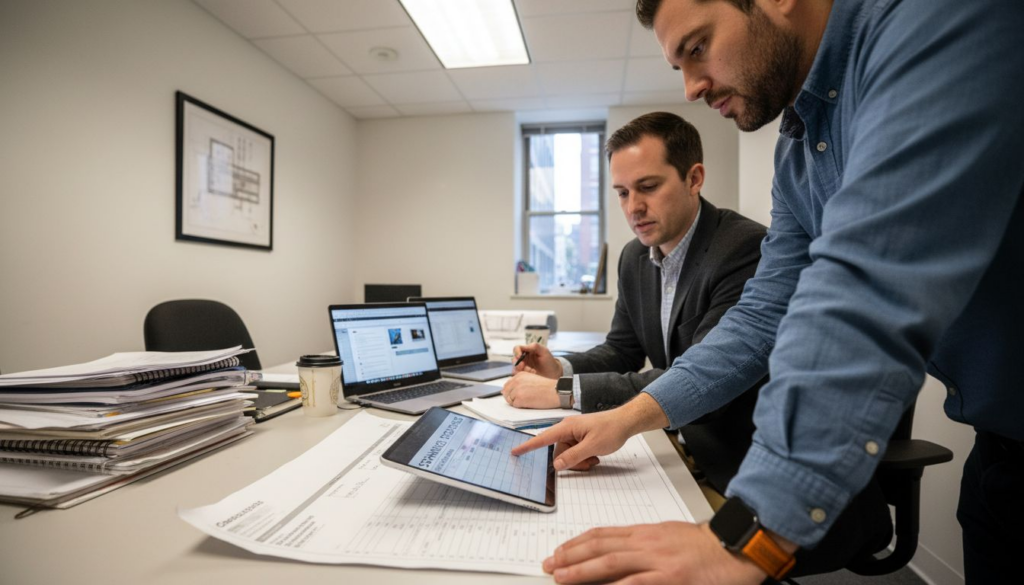
Miscommunication drives up to 40% of delays in architecture and real estate projects, turning promising developments into costly battles of revision and rework. Fragmented communication channels and misaligned expectations between architects, developers, and contractors create bottlenecks that slow approvals and inflate budgets. This guide delivers structured collaboration techniques using digital tools, immersive 3D visuals, and clear workflows to transform stakeholder coordination, reduce delays, and accelerate project delivery in 2026.
Table of Contents
- Introduction To Stakeholder Collaboration In 3D Design
- Prerequisites For Effective Stakeholder Collaboration
- Digital Tools And Platforms For Collaboration
- Step-By-Step Collaboration Workflow And Role Definition
- Enhancing Stakeholder Engagement With 3D Visuals
- Common Mistakes And Troubleshooting In Stakeholder Collaboration
- Expected Outcomes And Benefits Of Improved Collaboration
- Choosing The Right Visualization Partners
- Discover Professional 3D Visualization Services To Enhance Your Projects
Key Takeaways
| Point | Details |
|---|---|
| Cloud BIM platforms and defined roles reduce architectural project delays by up to 40% through centralized coordination. | |
| Immersive 3D renderings and VR walkthroughs improve stakeholder spatial understanding by up to 50%, cutting conflicts. | |
| Regular feedback loops with version control enhance decision accuracy by 20 to 30% and establish clear accountability. | |
| Common pitfalls include unclear roles, siloed feedback, and poor version control, causing 30 to 40% of project delays. | |
| Effective collaboration accelerates approval cycles by 20%, shortens delivery timelines, and reduces rework by 35%. |
Introduction to Stakeholder Collaboration in 3D Design
Architecture and real estate developments involve dozens of stakeholders with competing priorities and technical vocabularies. Without structured collaboration, miscommunication accounts for up to 40% of delays in architecture projects, derailing schedules and eroding trust. Modern 3D modeling reduces rework and delays by up to 30% through shared visual references that cut through abstraction. Building Information Modeling and 3D visualization platforms provide a single source of truth, aligning architects, developers, engineers, and contractors early in the design phase.
Aligning stakeholders before breaking ground is essential for complex developments to avoid costly change orders. Key collaboration challenges include:
- Fragmented communication across email, calls, and multiple platforms
- Role ambiguity leading to duplicated work and accountability gaps
- Disconnected tools preventing seamless file sharing and version control
- Infrequent feedback loops causing late stage surprises
Benefits of structured stakeholder collaboration extend beyond smoother workflows. Faster approvals cut project timelines, reduced rework saves costs, and improved transparency builds stakeholder confidence. Early alignment through immersive 3D models prevents expensive redesigns and accelerates marketing and sales cycles.
“BIM and 3D modeling create a shared visual language that eliminates misinterpretation, enabling stakeholders to engage meaningfully from concept through construction.”
Prerequisites for Effective Stakeholder Collaboration
Successful collaboration depends on groundwork established before design begins. Without proper preparation, even the best tools fail to deliver results. Access to cloud BIM tools that reduce design coordination errors by 25 to 40% forms the technical foundation. All stakeholders need credentials and permissions to shared platforms, ensuring they can view models, leave feedback, and track changes in real time.
Clear stakeholder role definitions prevent miscommunication and duplication. Define responsibilities upfront:
- Architects provide design intent and coordinate technical documentation
- Developers approve budgets, timelines, and high level design direction
- Engineers validate structural, MEP, and systems integration
- Contractors review constructability and identify cost saving opportunities
Basic training on 3D visualization tools and workflows ensures everyone can engage effectively. A short orientation covering navigation, commenting features, and version control prevents bottlenecks caused by technical confusion. Stakeholders who understand the platform contribute meaningfully rather than relying on intermediaries to relay feedback.
Pro Tip: Schedule a 30 minute orientation session for all stakeholders on collaboration platforms before the first design meeting. Walk through navigation, commenting tools, and notification settings to eliminate technical barriers that slow early momentum.
Digital Tools and Platforms for Collaboration
Cloud BIM platforms revolutionize stakeholder coordination by providing a centralized hub where all project data lives. These platforms eliminate version confusion, support clash detection, and enable secure file sharing across geographies. Cloud-based collaboration platforms improve accuracy and speed using shared models, clash detection, and version control, creating accountability and transparency.
Key functionalities that enhance collaboration include:
- Real time model updates visible to all authorized stakeholders
- Integrated commenting tools linking feedback directly to 3D elements
- Automated clash detection flagging conflicts before construction
- Audit trails tracking who changed what and when
- Mobile access enabling on site reviews and approvals
| Platform | Key Features | Best For |
|---|---|---|
| Autodesk BIM 360 | Clash detection, document management, mobile access | Large scale commercial projects |
| Revizto | Issue tracking, VR integration, BCF support | Coordination intensive developments |
| Trimble Connect | Lightweight viewers, real time sync, cost tracking | Small to mid size residential projects |
Integrating VR design applications and VR in interior design workflows allows stakeholders to experience spaces before construction. Immersive walkthroughs reduce abstraction and surface design concerns that 2D drawings miss.
Pro Tip: Use integrated feedback tools that consolidate comments from all stakeholders into a single dashboard. Avoid siloed feedback scattered across email threads and spreadsheets, which causes miscommunication and duplicate work.
Step-by-Step Collaboration Workflow and Role Definition
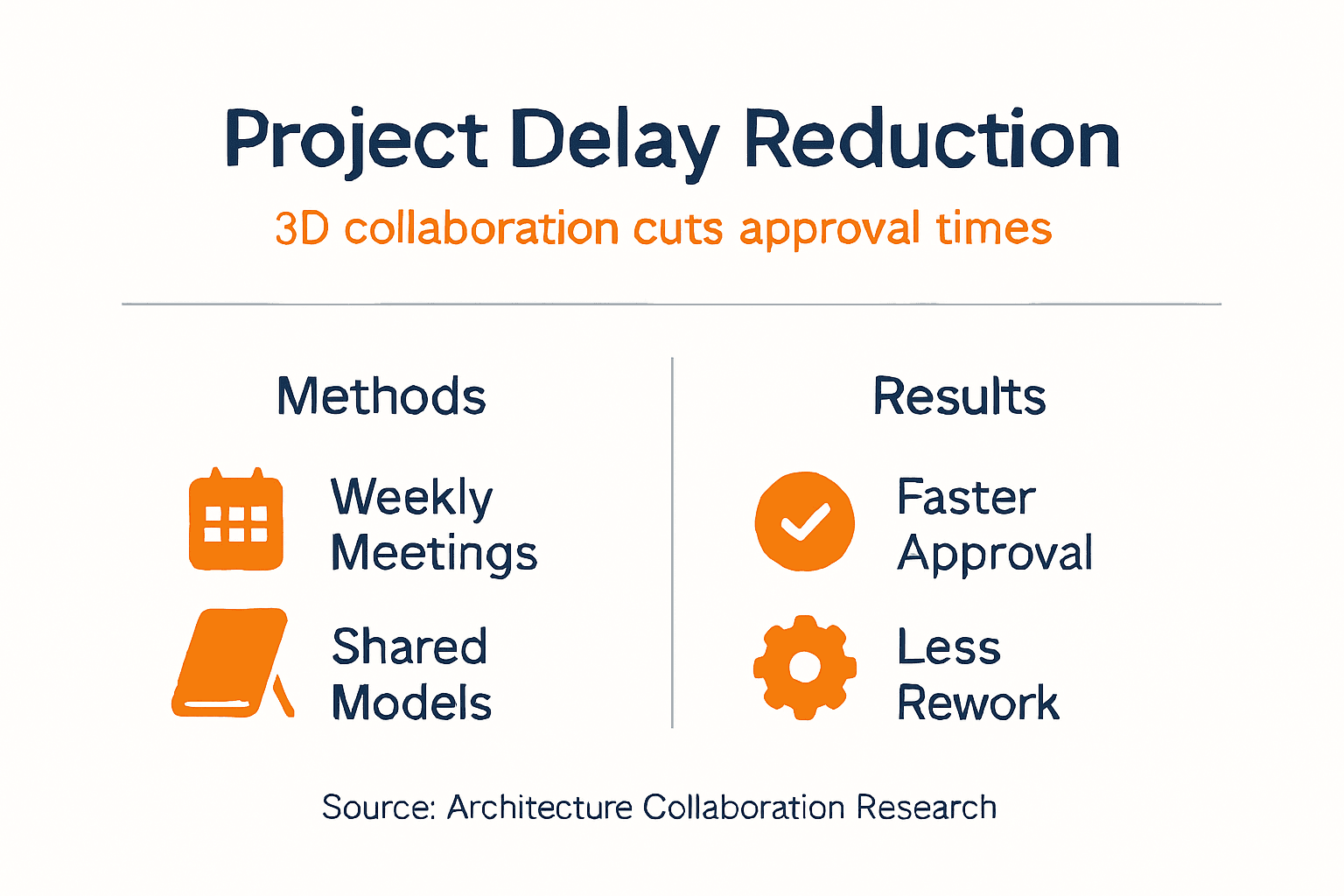
Structured workflows with defined roles and frequent feedback improve delivery times by 15 to 20%, transforming chaotic coordination into predictable processes. Follow these steps to execute effective stakeholder collaboration:
- Set up shared BIM environment with role based access for all stakeholders
- Define stakeholder roles and decision making authority in kickoff meeting
- Establish feedback loop cadence with weekly coordination meetings and milestone reviews
- Upload initial design models and solicit feedback through integrated commenting tools
- Incorporate immersive 3D visualizations and VR walkthroughs for spatial review
- Use version control to track iterations and maintain audit trail of changes
- Conduct final review meeting with all stakeholders before construction documentation
Key stakeholder roles and responsibilities:
- Architects coordinate design intent, resolve conflicts, and manage model updates
- Developers approve design direction, budgets, and major scope changes
- Structural engineers validate load paths and integration with architectural vision
- MEP engineers coordinate systems and ensure constructability
- Contractors provide cost feedback and identify value engineering opportunities
Regular coordination meetings maintain alignment and surface issues early. Weekly touch points during schematic design prevent divergence, while bi weekly meetings suffice during later phases. Document decisions and action items in meeting notes linked to the BIM platform, creating a searchable history that prevents repeated debates.
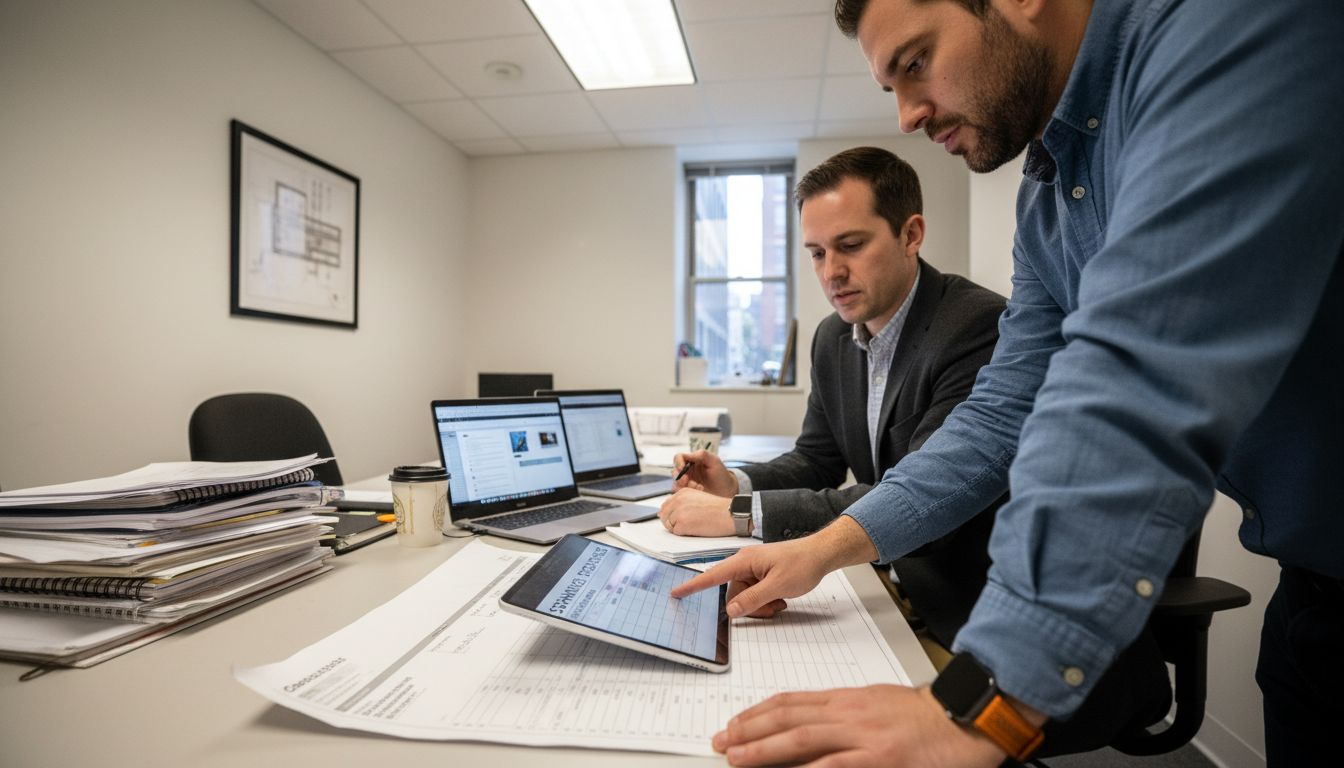
For deeper guidance on visualization workflows, explore our architectural visualization workflow guide outlining step by step processes from concept through final rendering.
Enhancing Stakeholder Engagement with 3D Visuals
Immersive 3D visualization tools transform stakeholder engagement by replacing abstraction with spatial clarity. Traditional 2D drawings require technical literacy that many stakeholders lack, creating communication barriers and misaligned expectations. 3D renderings improve spatial understanding by up to 50%, enabling non technical stakeholders to grasp design intent and provide meaningful feedback.
VR and AR virtual walkthroughs allow stakeholders to visualize design iterations interactively. Walking through a space in VR reveals scale, adjacencies, and materiality that floor plans obscure. Developers can evaluate marketing appeal, while end users can validate functionality before construction begins.
Benefits of immersive 3D visuals:
- Increased stakeholder buy in through emotional connection to the design
- Fewer conflicts caused by misunderstood spatial relationships
- Clearer expectations around finishes, lighting, and atmosphere
- Accelerated approvals as stakeholders confidently commit to designs they understand
Projects using immersive visualization report 20 to 25% faster approval cycles compared to traditional 2D workflows. Stakeholders make confident decisions quickly when they can experience designs rather than interpret abstract drawings. Explore VR and AR benefits and VR workflow for architects to integrate these tools into your process.
Common Mistakes and Troubleshooting in Stakeholder Collaboration
Despite best intentions, collaboration workflows often break down due to avoidable mistakes. Understanding these pitfalls equips you to prevent delays and rework. 30 to 40% of project delays stem from communication breakdowns and role ambiguity, making prevention critical to project success.
Frequent collaboration failures:
- Unclear roles causing duplicated effort and accountability gaps
- Siloed feedback scattered across email, calls, and informal conversations
- Poor version control leading to stakeholders reviewing outdated models
- Infrequent communication allowing designs to diverge from stakeholder expectations
- Ignoring immersive visualization, relying solely on 2D drawings that confuse non technical stakeholders
Troubleshooting tips for each failure point:
- Document roles and decision authority in writing and distribute at project kickoff
- Mandate all feedback occur through the collaboration platform, not email
- Implement automatic notifications when models update to keep everyone current
- Schedule standing meetings at consistent intervals to maintain momentum
- Budget for immersive visualizations early to prevent late stage surprises
“Secure shared collaboration platforms with version control prevent costly rework by ensuring all stakeholders review current designs rather than outdated iterations.”
Secure shared collaboration platforms achieve 35% reduction in rework through centralized version control and audit trails. Institutionalize these preventive measures through project checklists and onboarding processes that establish collaboration standards before design begins.
Expected Outcomes and Benefits of Improved Collaboration
Effective stakeholder collaboration delivers measurable improvements across timelines, costs, and quality. Data from architectural firms implementing structured workflows shows significant gains that justify the upfront investment in platforms and processes. These benefits translate into competitive advantages, satisfied clients, and improved profitability.
| Metric | Improvement | Impact |
|---|---|---|
| Project delays | 30% reduction | Faster delivery, lower holding costs |
| Approval cycles | 20% faster | Accelerated sales and occupancy |
| Decision accuracy | 20 to 30% improvement | Fewer change orders and rework |
| Rework reduction | 35% decrease | Lower costs, preserved margins |
| Stakeholder satisfaction | Significant increase | Repeat business and referrals |
Up to 30% reduction in project delays stems from eliminating miscommunication bottlenecks and establishing clear accountability. Approval and sales cycles accelerate by 20% as immersive visualizations enable stakeholders to commit confidently without lengthy deliberation. Decision accuracy improves by 20 to 30% through immersive stakeholder engagement that surfaces concerns early rather than during construction.
Decreased rework by 35% results from clear version control and centralized communication that prevent stakeholders from reviewing outdated designs. These improvements compound into substantial cost savings, protecting margins on complex developments where small delays and change orders quickly erode profitability. Improved stakeholder trust from transparent, collaborative processes leads to repeat business and stronger industry reputation.
Choosing the Right Visualization Partners
Partnering with experienced 3D visualization studios amplifies collaboration benefits by delivering photorealistic renderings and interactive models that elevate stakeholder engagement. Not all visualization providers understand architecture and real estate contexts, making partner selection critical to collaboration success. Good visualization partners reduce project approval timelines by up to 25% through visuals that communicate design intent clearly.
Key criteria for evaluating potential visualization partners:
- Photorealistic and interactive 3D visuals that eliminate ambiguity
- Collaboration support features like cloud rendering and iterative feedback workflows
- Track record of reducing approval times through clear visual communication
- Understanding of architectural and real estate workflows and terminology
- Responsive revision processes that accommodate stakeholder feedback quickly
Experienced studios foster clearer communication by translating technical designs into visuals that resonate with diverse stakeholders. Developers evaluate marketing appeal, investors assess return potential, and end users validate functionality through renderings that capture atmosphere and materiality. This shared understanding accelerates decision making and reduces conflicts caused by misaligned expectations.
Explore architectural visualization services and 3D walkthroughs for real estate agents to discover how professional visualization transforms stakeholder collaboration and project outcomes.
Discover Professional 3D Visualization Services to Enhance Your Projects
Implementing structured stakeholder collaboration requires not only robust workflows and digital tools but also compelling visual content that brings designs to life. Rendimension specializes in high quality, photorealistic 3D renderings and immersive visualization solutions tailored for architecture and real estate professionals.
Our professional 3D rendering services enhance stakeholder engagement by transforming technical designs into visuals that resonate emotionally and communicate intent clearly. Accelerate approvals and improve clarity in design communication with 3D walkthrough solutions that allow stakeholders to experience spaces before construction begins. With over 1,000 projects completed globally, we bring deep expertise in collaborative workflows that align architects, developers, and investors from concept through delivery. Partner with Rendimension to implement effective collaboration strategies that cut delays, reduce rework, and elevate project outcomes.
FAQ
What are the key benefits of using BIM for stakeholder collaboration?
BIM provides a centralized model where all stakeholders access current designs, reducing version confusion and enabling real time feedback. Clash detection and audit trails improve coordination and accountability, cutting delays by up to 40%.
How frequently should stakeholders meet during the 3D design phase?
Weekly meetings during schematic design maintain alignment and surface issues early when changes cost less. Bi weekly meetings suffice during later phases once major decisions are locked.
What role do immersive 3D visualizations play in reducing misunderstandings?
Immersive visuals improve spatial understanding by up to 50%, enabling non technical stakeholders to grasp scale, adjacencies, and materiality that 2D drawings obscure. This clarity reduces conflicts and accelerates approvals.
How can unclear roles best be avoided in collaboration workflows?
Document roles and decision making authority in writing at project kickoff and distribute to all stakeholders. Include responsibilities, approval thresholds, and escalation paths to eliminate ambiguity.
What tools ensure version control when multiple stakeholders edit 3D models?
Cloud BIM platforms like Autodesk BIM 360 and Trimble Connect provide automatic versioning, audit trails, and notifications when models update. These features ensure all stakeholders review current designs, preventing rework from outdated feedback.