3D Walkthroughs: Transforming Design Presentations
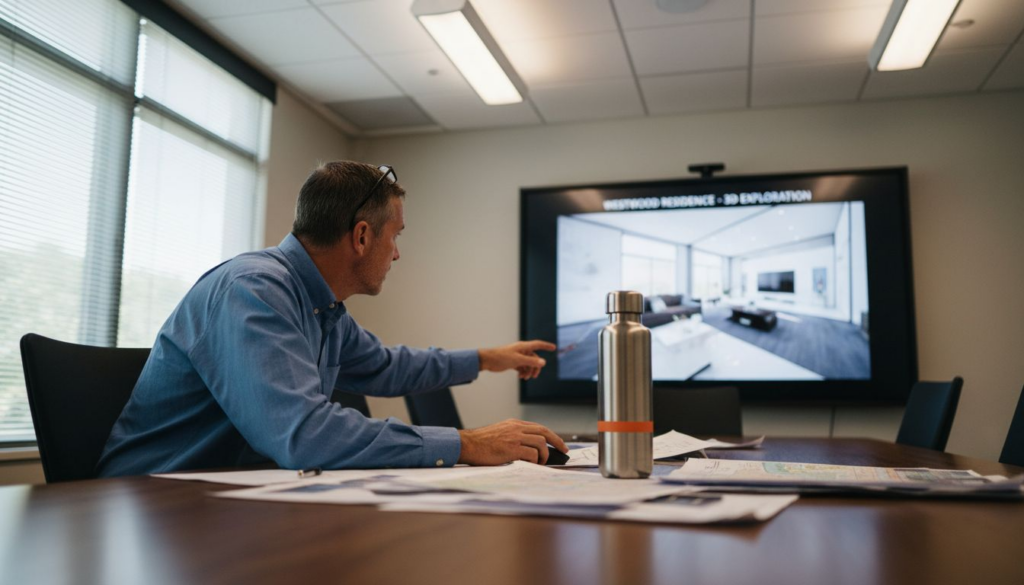
When a client struggles to visualize a new corporate lobby or retail floor plan, architectural project managers know miscommunication can halt progress. Ensuring everyone understands the design intent is crucial, especially in commercial developments throughout North America. Explore how immersive, interactive 3D walkthroughs turn abstract plans into compelling digital experiences, helping stakeholders make confident, informed decisions before building begins.
Table of Contents
- Defining 3D Walkthroughs In Architecture
- Key Types And Technologies Used
- Enhancing Client Presentations And Approvals
- Real-World Applications In Commercial Design
- Risks, Challenges, And Cost Factors
- Comparing 3D Walkthroughs With Alternatives
Key Takeaways
| Point | Details |
|---|---|
| 3D Walkthroughs Enhance Engagement | They allow stakeholders to interactively explore architectural designs, improving understanding and communication. |
| Technological Investment is Key | High-quality hardware, software, and training are essential for effective implementation of 3D walkthroughs. |
| Client-Centric Presentations | These tools facilitate real-time modifications, fostering collaboration and reducing misunderstandings during design approval. |
| Diverse Applications Across Industries | 3D walkthroughs are valuable in sectors such as corporate, retail, and healthcare, enhancing visual communication in complex projects. |
Defining 3D Walkthroughs in Architecture
3D walkthroughs represent a revolutionary visualization technique that transforms architectural design presentations from static drawings into immersive, interactive digital experiences. Unlike traditional 2D blueprints or static renderings, these advanced digital simulations allow stakeholders to virtually explore architectural spaces before construction begins.
At its core, a 3D walkthrough is a computer-generated simulation that enables viewers to navigate through a proposed architectural design as if they were physically moving through the space. Exploring different visualization techniques reveals how architects can leverage this technology to communicate design intent with unprecedented clarity and engagement.
Key characteristics of architectural 3D walkthroughs include:
- Photorealistic rendering of proposed spaces
- Interactive navigation capabilities
- Precise representation of material textures and lighting conditions
- Ability to demonstrate spatial relationships and design flow
- Option to modify design elements in real-time
These digital experiences go beyond simple visualization, serving as powerful communication tools that bridge imagination and reality. By allowing clients and project stakeholders to virtually inhabit a space before its physical construction, 3D walkthroughs dramatically reduce misunderstandings and facilitate more informed design decisions.
Pro tip: Request multiple camera angles and lighting scenarios during your 3D walkthrough to gain a comprehensive understanding of the proposed architectural design.
Key Types and Technologies Used
The world of 3D walkthroughs encompasses several sophisticated technologies that enable architects to create immersive visual experiences. Virtual reality workflow techniques have revolutionized how design professionals transform conceptual spaces into interactive digital environments.
Rendering technologies play a critical role in creating photorealistic architectural visualizations. These advanced systems can be categorized into several primary types:
- Real-time rendering: Allows instant interaction and immediate design modifications
- Pre-rendered walkthroughs: Produces highly detailed, cinematically polished visualizations
- Hybrid rendering: Combines real-time interaction with high-quality graphic outputs
- Game engine-based walkthroughs: Utilizes advanced gaming technologies for architectural visualization
Modern 3D walkthrough technologies leverage powerful software platforms and hardware solutions to generate increasingly sophisticated digital representations. Architects can now simulate complex lighting scenarios, material textures, and environmental conditions with unprecedented accuracy and detail.
Key technological components driving 3D walkthrough innovations include advanced graphics processing units (GPUs), specialized architectural visualization software, and immersive virtual reality hardware. These technologies work in concert to create seamless, interactive design experiences that bridge imagination and architectural reality.
Pro tip: Invest in high-performance graphics hardware to ensure smooth and detailed 3D walkthrough rendering experiences.
Enhancing Client Presentations and Approvals
3D walkthroughs have fundamentally transformed how architects communicate design concepts to clients, moving far beyond traditional presentation methods. VR walkthroughs revolutionize client interactions by creating immersive experiences that bridge imagination and architectural reality.
Client engagement strategies through 3D walkthroughs provide multiple significant advantages for architectural professionals:
- Eliminates communication barriers between designers and clients
- Allows real-time design modification and collaborative exploration
- Provides true-to-scale spatial understanding
- Reduces potential misunderstandings about design intent
- Creates emotional connection with proposed spaces
These interactive presentations enable clients to virtually inhabit proposed spaces, making abstract concepts tangible and comprehensible. By transforming complex architectural plans into navigable digital environments, architects can effectively communicate design nuances that traditional blueprints or static renderings cannot capture.
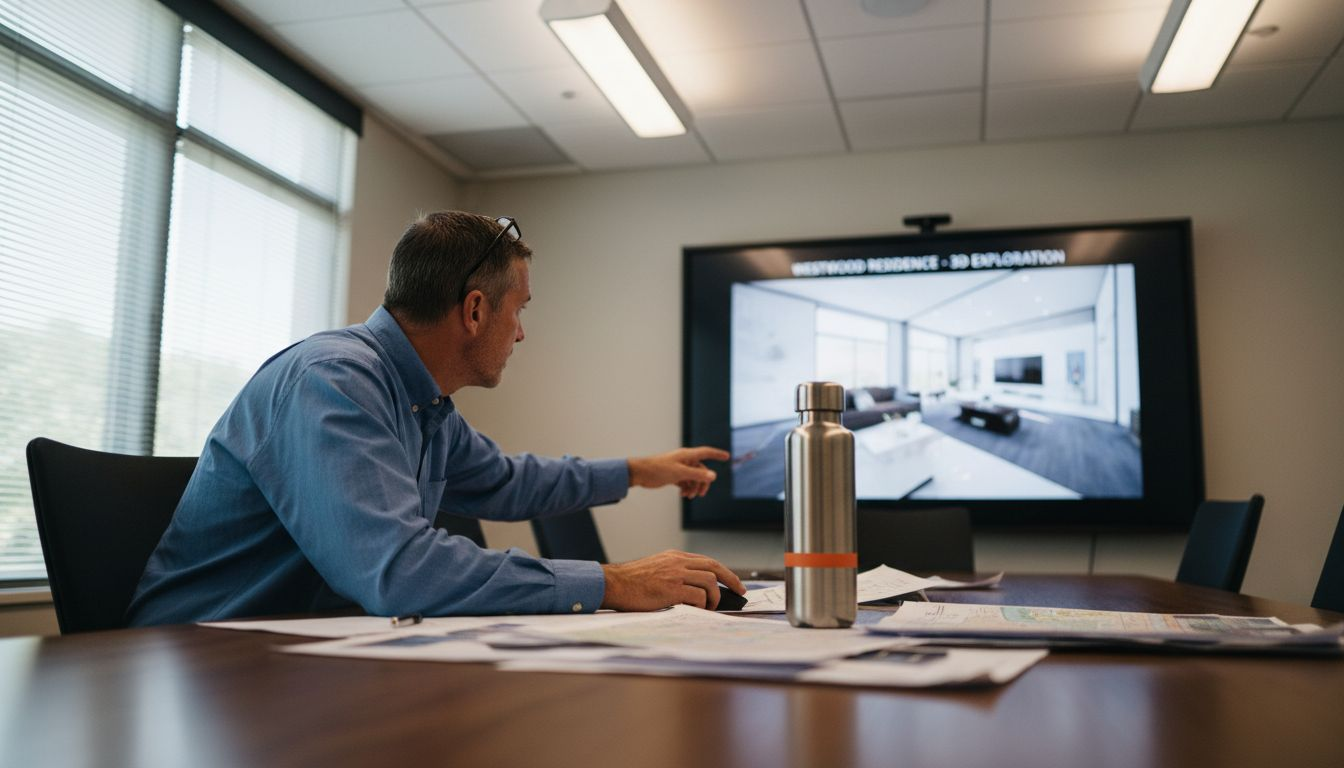
The approval process becomes significantly more transparent and collaborative when clients can actively explore and understand architectural designs. Interactive walkthroughs allow stakeholders to experience proposed spaces from multiple perspectives, identify potential modifications, and make informed decisions with greater confidence.
Pro tip: Prepare multiple design iterations within your 3D walkthrough to demonstrate flexibility and responsiveness to client feedback.
Real-World Applications in Commercial Design
3D walkthroughs have become transformative tools across diverse commercial design sectors, enabling architects and designers to present complex spatial concepts with unprecedented clarity. Virtual reality design applications demonstrate how immersive technologies are revolutionizing project visualization and stakeholder communication.
Commercial application domains for 3D walkthroughs span multiple critical industries:
- Corporate office design and workspace planning
- Retail environment conceptualization
- Healthcare facility development
- Hotel and hospitality space design
- Large-scale industrial and manufacturing facility planning
- Educational institution infrastructure projects
These digital visualization techniques allow commercial design professionals to simulate entire environments before physical construction, dramatically reducing risk and facilitating more informed decision-making. Stakeholders can now explore proposed spaces, evaluate design functionality, and identify potential improvements with remarkable precision.
Modern commercial design projects increasingly rely on 3D walkthroughs to communicate complex spatial relationships, material selections, and environmental interactions. By providing photorealistic, interactive representations, architects can effectively demonstrate design solutions that address specific functional requirements, aesthetic considerations, and organizational needs.
Pro tip: Customize 3D walkthrough presentations to highlight specific design features most relevant to each stakeholder group’s unique priorities.
Risks, Challenges, and Cost Factors
3D walkthrough technologies present complex financial and technical challenges that architectural professionals must carefully navigate. Architectural visualization examples demonstrate the critical balance between technological investment and potential returns.
Major investment considerations for 3D walkthrough implementation include:
- High-end hardware and software acquisition costs
- Specialized training requirements for design teams
- Continuous technology upgrade expenses
- Potential learning curve for client interactions
- Computational resource demands
- Software licensing and maintenance fees
Technical risks can significantly impact project timelines and budgets, requiring strategic planning and comprehensive risk management. Small to medium-sized architectural firms often face more substantial challenges in adopting these technologies, as the initial financial investment can be prohibitively expensive compared to traditional presentation methods.
Quality and complexity represent additional critical factors in 3D walkthrough development. Producing photorealistic, functionally accurate digital environments requires substantial expertise, sophisticated software skills, and significant computational resources. Architectural teams must carefully evaluate their technological capabilities, budget constraints, and long-term strategic objectives when integrating advanced visualization techniques.
The following table summarizes key investment risks and how to mitigate them when adopting 3D walkthrough technology:
| Risk Factor | Impact on Firm | Mitigation Strategy |
|---|---|---|
| High hardware/software cost | Limits adoption for small firms | Start with basic setups, scale gradually |
| Complex training requirements | Slows team productivity | Schedule phased, hands-on training |
| Continuous upgrade expenses | Raises long-term costs | Plan budget for periodic upgrades |
| Client learning curve | Hinders effective presentations | Offer guided demo sessions |
| Computational resource demand | Extended rendering times | Use cloud-based rendering solutions |
| Software licensing/maintenance fees | Increases operating expenses | Seek floating or bundled licenses |
Pro tip: Conduct a comprehensive cost-benefit analysis and pilot test 3D walkthrough technologies with smaller projects before full-scale implementation.
Comparing 3D Walkthroughs With Alternatives
Architectural visualization techniques have evolved dramatically, offering multiple approaches to presenting design concepts. 3D walkthrough services demonstrate the significant advantages of immersive digital experiences compared to traditional presentation methods.
Key visualization alternatives include:
- 2D architectural blueprints
- Static physical model presentations
- Photorealistic renderings
- Architectural flythroughs
- Traditional sketch presentations
- Digital image montages
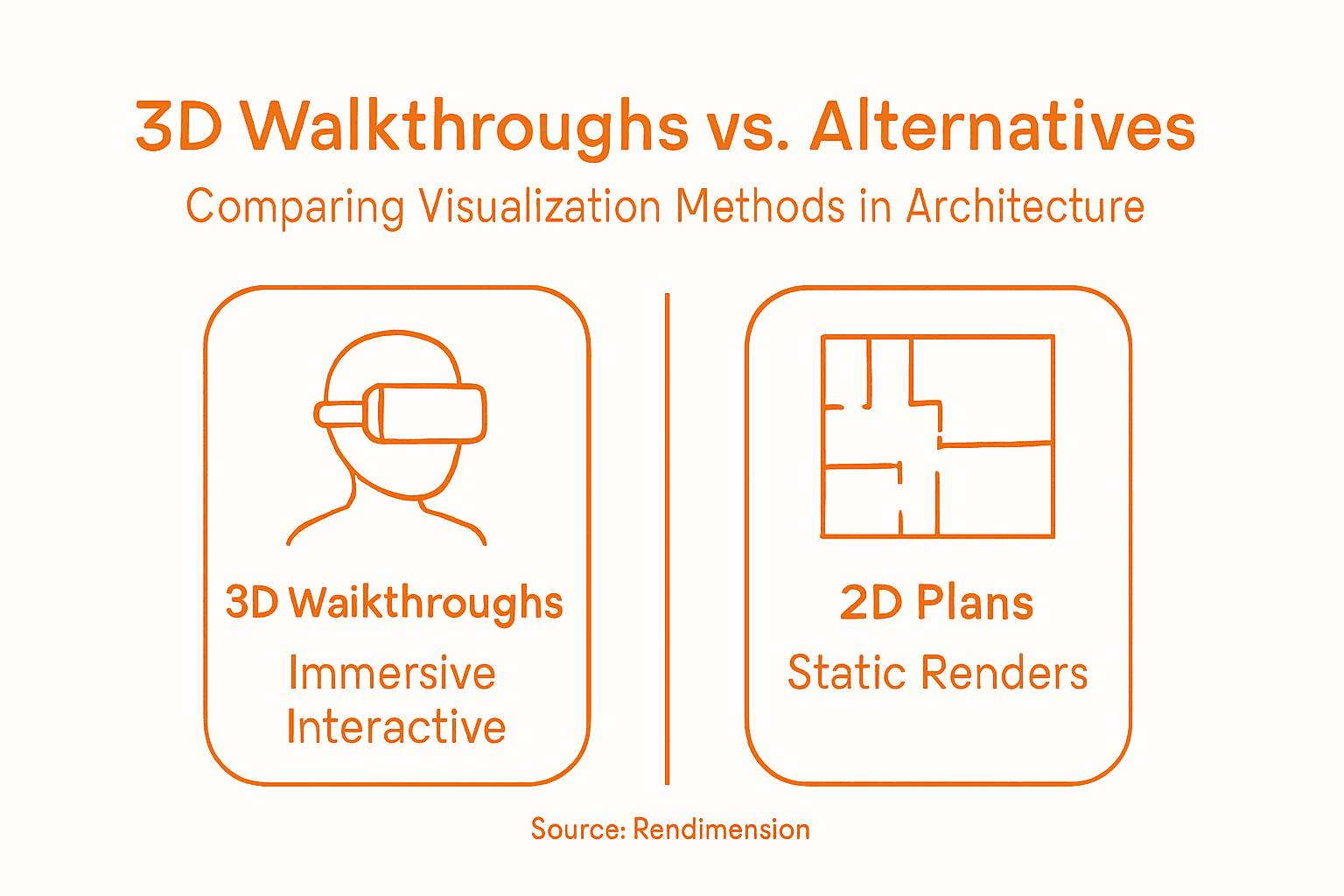
Each visualization technique offers unique strengths and limitations. Traditional methods like 2D blueprints provide technical precision but lack spatial comprehension, while physical models offer tangible representations but are expensive and time-consuming to produce.
3D walkthroughs distinguish themselves by providing an interactive, immersive experience that bridges the gap between conceptual design and spatial understanding. Unlike static alternatives, these digital simulations allow stakeholders to navigate proposed environments, evaluate design elements, and gain a comprehensive sense of architectural intent with unprecedented clarity and engagement.
Here is a comparison of popular architectural visualization techniques and when to use each:
| Visualization Method | Best Use Case | Advantages |
|---|---|---|
| 3D Walkthrough | Interactive client presentations | Real-time navigation, high engagement |
| 2D Blueprints | Technical documentation | Precision, construction planning |
| Physical Scale Model | Stakeholder reviews | Tangible reference, visual scale clarity |
| Photorealistic Rendering | Marketing visuals | High-detail imagery, strong aesthetics |
| Architectural Flythrough | Promotional videos | Cinematic perspective, broad overviews |
| Digital Image Montage | Context analysis | Integration with real-site photography |
Pro tip: Combine multiple visualization techniques to provide a comprehensive presentation that addresses different stakeholder preferences and communication styles.
Elevate Your Architectural Presentations with Expert 3D Walkthroughs
The article highlights the challenge architects face when trying to convey complex design concepts and spatial relationships clearly to clients and stakeholders. If you have struggled with technical communication barriers or wanted to offer an immersive experience that reduces misunderstandings and speeds up approvals, you are not alone. Creating photorealistic and interactive 3D walkthroughs requires specialized skills, powerful rendering technologies, and a collaborative approach to ensure every detail reflects your vision.
At Rendimension, we transform your architectural ideas into breathtaking visual stories that clients can practically step inside. Our professional architectural visualization and 3D walkthrough services harness advanced rendering workflows and virtual reality tools to bring your projects to life with precision and stunning clarity. Whether your focus is commercial or residential design, our experienced team handles every stage from concept to delivery with personalized attention that guarantees satisfaction.
Experience the power of immersive design presentations that truly engage and inspire your clients. Visit Rendimension now to discover how our tailored 3D walkthrough solutions can elevate your project approvals and marketing impact. Act today to start turning your architectural visions into vivid realities that captivate and convince.
Frequently Asked Questions
What is a 3D walkthrough in architecture?
A 3D walkthrough is a computer-generated simulation that allows viewers to navigate through a proposed architectural design as if they were physically moving through the space, offering an immersive experience compared to traditional 2D plans.
How do 3D walkthroughs enhance client presentations?
3D walkthroughs enhance client presentations by providing interactive visualizations that eliminate communication barriers, allowing real-time modifications and a true-to-scale understanding of the designs, which leads to more informed decisions.
What are the key technologies used in creating 3D walkthroughs?
Key technologies include real-time rendering, pre-rendered walkthroughs, hybrid rendering, and game engine-based walkthroughs, utilizing advanced software and high-performance graphics hardware to create immersive experiences.
What are the benefits of using 3D walkthroughs over traditional architectural visualization methods?
3D walkthroughs provide significant advantages such as interactivity, immersive experiences, and the ability to explore design nuances in real-time, which static methods like 2D blueprints or physical models cannot offer.