Virtual Reality in Interior Design: Enhancing Client Engagement
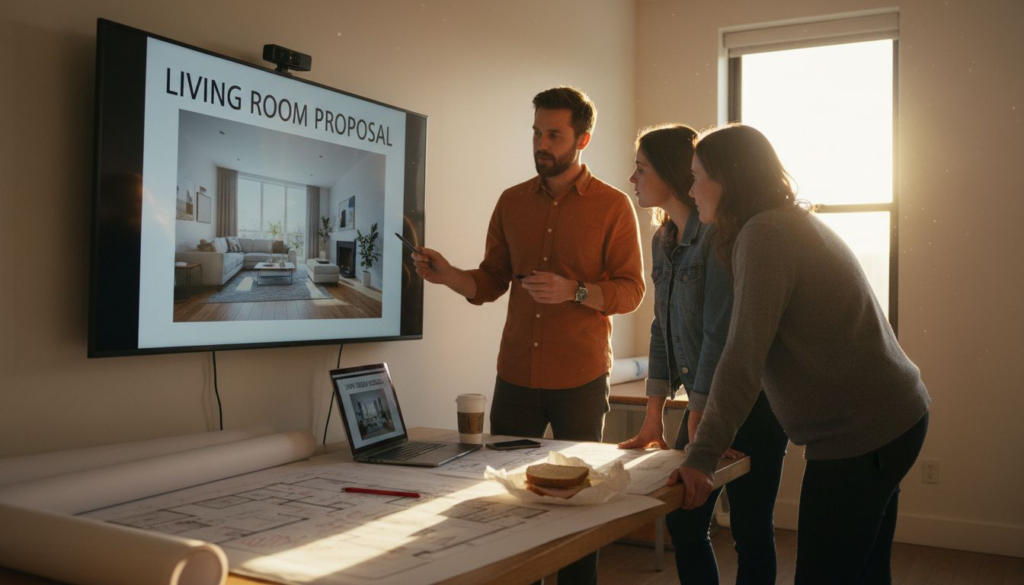
Selecting design options for a client can quickly turn into a frustrating guessing game. For Interior Designers in North America, traditional presentations often leave clients overwhelmed and struggling to visualize how a layout will truly feel. With virtual reality tools enabling immersive 3D walkthroughs and real-time revisions, designers now have the ability to minimize misunderstandings and deliver a client experience that is clear, interactive, and efficient. This article unpacks how VR technology is reshaping interior design workflows, improving client satisfaction, and opening new creative possibilities.
Table of Contents
- Virtual Reality In Interior Design Explained
- Key Types Of Virtual Reality Tools For Designers
- How Immersive VR Transforms Client Presentations
- Workflow Improvements And Collaborative Decision-Making
- Challenges And Common Mistakes With VR Integration
Key Takeaways
| Point | Details |
|---|---|
| Virtual Reality Enhances Design Visualization | Virtual reality empowers interior designers by creating immersive 3D environments that facilitate real-time modifications and clear communication of design concepts. |
| Transformative Client Engagement | VR allows clients to experience design proposals in an interactive manner, increasing understanding and confidence in design decisions. |
| Improved Collaboration | Virtual reality fosters simultaneous collaboration among stakeholders, enhancing decision-making efficiency and reducing miscommunication. |
| Strategic VR Integration Challenges | Effective adoption of VR requires addressing technological barriers and ensuring proper training to avoid common mistakes in its implementation. |
Virtual reality in interior design explained
Virtual reality represents a groundbreaking technological advancement that is fundamentally transforming how interior designers conceptualize, communicate, and deliver design solutions. By creating immersive digital environments, VR enables professionals to transcend traditional design limitations and provide clients with unprecedented visualization experiences.
At its core, virtual reality in interior design operates through sophisticated software and hardware that generates realistic, interactive 3D spaces. Emerging research highlights VR’s transformative potential by enabling designers to:
- Create photorealistic room simulations
- Allow real-time design modifications
- Provide immersive client walkthroughs
- Test multiple design configurations instantly
- Minimize costly physical prototyping
The technological ecosystem supporting VR interior design typically includes specialized tools like:
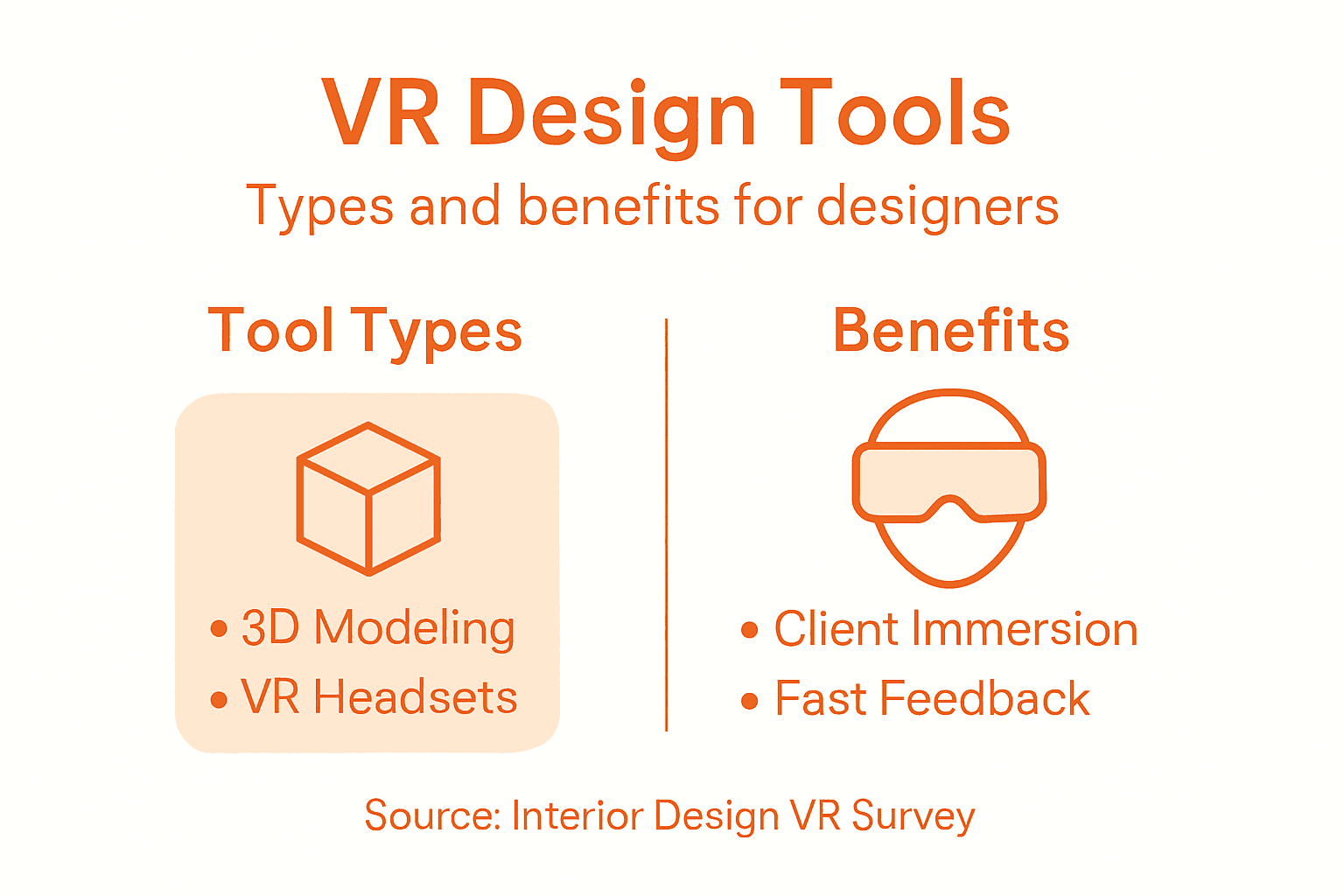
- High-resolution 3D modeling software
- Virtual reality headsets
- Motion tracking sensors
- Interactive design platforms
These technologies work synergistically to transform abstract design concepts into tangible, explorable digital environments. Spatial awareness becomes dramatically enhanced, allowing designers to communicate complex design intentions with unprecedented clarity.
Virtual reality bridges the imagination gap between conceptual design and client understanding.
Beyond visualization, VR offers profound advantages in client engagement. Designers can now invite clients into immersive digital spaces, enabling them to experience design proposals before a single physical change occurs. This approach dramatically reduces misunderstandings, accelerates decision-making, and increases client confidence in design recommendations.
Pro tip: Start with small VR design projects to build confidence and gradually expand your virtual design capabilities.
Key types of virtual reality tools for designers
Virtual reality tools have revolutionized the interior design landscape, offering professionals an unprecedented range of digital solutions for visualization, collaboration, and client communication. These sophisticated technologies enable designers to transform conceptual ideas into immersive, interactive experiences that transcend traditional design presentation methods.
Interior designers can leverage several key categories of VR tools, including:
- 3D Modeling Software: Advanced platforms like SketchUp and Revit that allow detailed spatial design
- Immersive Visualization Tools: Virtual reality design platforms that create photorealistic environmental simulations
- Collaborative Design Interfaces: Real-time shared design environments
- Interactive Rendering Engines: Tools that generate high-fidelity visual representations
- Client Presentation Systems: VR interfaces specifically designed for design proposals
These tools typically fall into three primary technological categories:
- Standalone VR Design Platforms
- Augmented Reality (AR) Integration Tools
- Mixed Reality Visualization Systems
Each technological category serves unique design objectives, from preliminary concept exploration to final client presentations. Spatial interaction becomes seamless, allowing designers to manipulate virtual environments with unprecedented precision and creativity.
Here’s a comparison of different VR technology categories commonly used in interior design:
| VR Technology Category | Main Purpose | Typical Tools | Ideal Use Case |
|---|---|---|---|
| Standalone VR Platforms | Comprehensive design visualization | Dedicated VR software, headsets | Client walkthroughs & design reviews |
| AR Integration Tools | Overlay virtual elements on real spaces | Mobile apps, AR glasses | On-site concept validation |
| Mixed Reality Systems | Combine real and virtual environments | Advanced MR headsets, sensors | Collaborative design sessions |
Virtual reality transforms design from a static presentation to an interactive, immersive experience.
Advanced VR tools are not just visualization technologies but comprehensive design ecosystems that integrate multiple functionalities. They enable designers to prototype, test, and refine design concepts rapidly, reducing time investments and minimizing potential costly physical modifications.
Pro tip: Invest in comprehensive VR training to maximize the potential of these transformative design technologies.
How immersive VR transforms client presentations
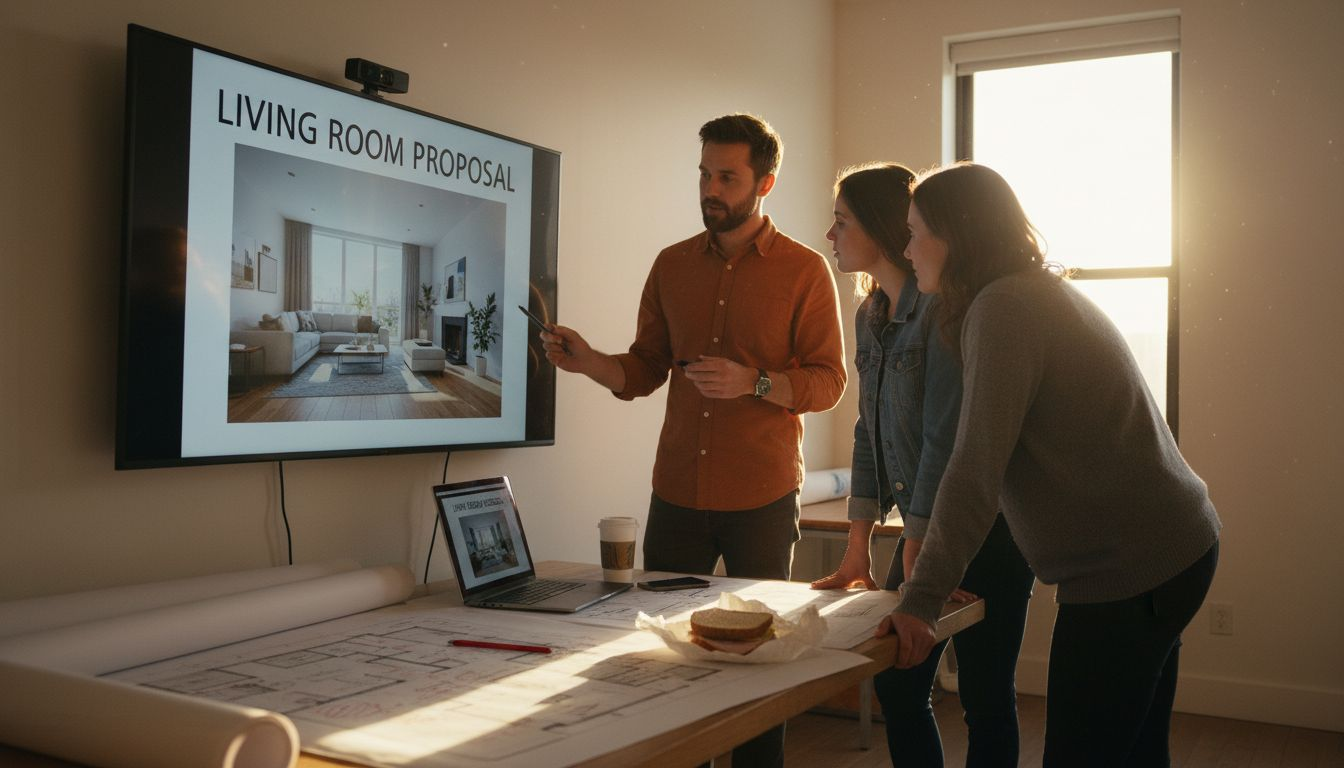
Immersive virtual reality has fundamentally revolutionized client presentations in interior design, creating unprecedented opportunities for visual communication and design exploration. Advanced visualization technologies enable designers to bridge the gap between conceptual imagination and tangible spatial experiences, transforming how clients interact with potential design solutions.
The transformative power of VR in client presentations manifests through several key mechanisms:
- Instantaneous spatial understanding
- Interactive design exploration
- Realistic environmental simulation
- Emotional design connection
- Immediate feedback capabilities
These immersive presentation strategies offer multiple profound advantages:
- Eliminate communication barriers
- Reduce design misinterpretation risks
- Accelerate decision-making processes
- Provide transparent design visualization
- Enable real-time collaborative modifications
Emotional engagement becomes a critical component of VR presentations. Clients can now emotionally connect with design concepts by walking through virtual spaces, experiencing lighting, texture, and spatial relationships with unprecedented intimacy.
Virtual reality turns design presentations from passive viewing to active exploration.
Advanced VR technologies allow designers to craft highly personalized presentation experiences. By enabling clients to manipulate virtual environments in real-time, designers create collaborative spaces where imagination and practical design constraints converge seamlessly.
Pro tip: Develop a standardized VR presentation workflow to ensure consistent, professional client experiences.
Workflow improvements and collaborative decision-making
Virtual reality has dramatically transformed traditional design workflows, introducing unprecedented levels of collaboration and efficiency. VR-augmented design reviews are revolutionizing how design teams interact, communicate, and make critical project decisions in real-time.
The key workflow improvements enabled by VR technology include:
- Eliminating geographical communication barriers
- Reducing decision-making response times
- Enabling simultaneous multi-stakeholder collaboration
- Creating transparent design review processes
- Minimizing costly design iteration cycles
Advanced VR workflow strategies typically involve:
- Synchronous virtual design meetings
- Interactive design modification sessions
- Real-time stakeholder feedback mechanisms
- Immersive design validation processes
- Comprehensive design documentation tracking
Collaborative decision-making becomes significantly more dynamic and inclusive through virtual platforms. Designers can now invite clients, architects, contractors, and other stakeholders into shared virtual spaces, breaking down traditional communication silos and fostering more integrated project development approaches.
Virtual reality transforms project collaboration from sequential interactions to simultaneous, immersive experiences.
The technology’s ability to compress communication timelines and enhance mutual understanding represents a fundamental shift in design project management. By providing immediate visual context and interactive exploration capabilities, VR eliminates ambiguity and accelerates consensus-building among diverse project participants.
Pro tip: Develop standardized VR collaboration protocols to maximize team efficiency and communication clarity.
Challenges and common mistakes with VR integration
Virtual reality integration in interior design presents complex challenges that require strategic navigation and thoughtful implementation. Research highlights significant technological obstacles designers must carefully address to successfully leverage VR technologies.
Common challenges in VR adoption include:
- High initial technological investment costs
- Technical skill learning curves
- Software and hardware compatibility issues
- Limited user experience design standards
- Potential client technological intimidation
Critical mistakes designers frequently encounter involve:
- Inadequate team training
- Overlooking user experience design
- Neglecting iterative testing processes
- Insufficient hardware infrastructure
- Poor client communication strategies
Technical complexity often becomes a significant barrier to effective VR implementation. Many interior design professionals struggle with integrating new technologies seamlessly into existing workflows, leading to fragmented design processes and reduced technological efficiency.
Successful VR integration requires continuous learning and adaptive technological strategies.
The most effective approach involves gradual technological adoption, comprehensive team training, and maintaining flexibility in implementation strategies. Designers must balance technological innovation with practical usability, ensuring that VR tools enhance rather than complicate design workflows.
To better understand VR adoption, here’s a summary of common challenges and strategies for successful integration:
| Challenge | Impact on Designers | Suggested Solution |
|---|---|---|
| High initial cost | Limits early adoption and testing | Start with scalable pilot projects |
| Skill learning curve | Delays workflow adaptation | Offer regular team training sessions |
| Compatibility issues | Reduces software efficiency | Prioritize interoperable platforms |
| Client intimidation | Hinders communication and trust | Provide simple VR onboarding guides |
Pro tip: Implement incremental VR technology adoption with consistent team training and feedback mechanisms.
Elevate Your Interior Design Presentations with Rendimension’s Immersive Visual Solutions
The article highlights the challenges interior designers face in bridging the imagination gap and enhancing client engagement through virtual reality and immersive walkthroughs. Pain points such as costly physical prototyping, communication barriers, and client intimidation are clear obstacles that designers want to overcome. Leveraging concepts like interactive design exploration and real-time modification, Rendimension helps you transform abstract ideas into compelling, photorealistic 3D experiences that clients can truly connect with.
When you want to impress and engage stakeholders with accurate spatial understanding and emotional design connection, our professional services, including virtual reality experiences, 3D renderings, and architectural visualization, offer a seamless and collaborative approach. Take control of your presentations with powerful visual proof that accelerates decision-making, reduces misunderstandings, and builds client confidence from the earliest stages.
Discover how Rendimension can help you transform your interior design projects into immersive realities today.
Experience the difference in client presentations by partnering with Rendimension. Visit our website now to explore our virtual reality experiences and expert architectural visualization services. Start delivering impactful, interactive design journeys that turn concepts into captivating visual stories that win more projects.
Frequently Asked Questions
What is virtual reality in interior design?
Virtual reality in interior design is a technological approach that creates immersive 3D environments, allowing designers to conceptualize, visualize, and present design solutions in an interactive way.
How does VR enhance client engagement in interior design?
VR enhances client engagement by providing immersive walkthroughs of design proposals, allowing clients to interact with spaces before physical changes occur, thus improving understanding and reducing miscommunication.
What are the main tools used for virtual reality in interior design?
Key tools include 3D modeling software, VR headsets, interactive design platforms, and collaborative design interfaces, which help create photorealistic simulations and facilitate real-time design modifications.
What are some challenges designers face when integrating virtual reality?
Common challenges include high initial investment costs, technical skill learning curves, and software compatibility issues, which can impact the smooth adoption and integration of VR in design workflows.