VR Real Estate in Maryland
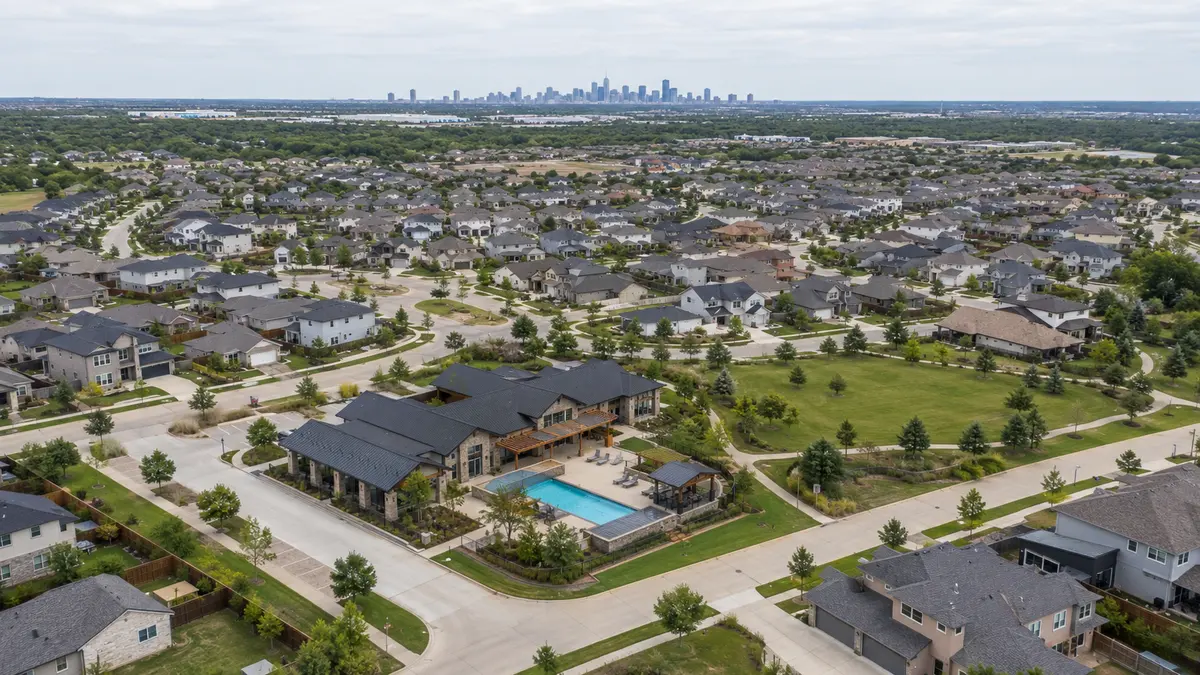
Quick answer: VR real estate in Maryland means immersive, walkable 3D experiences of unbuilt towers, mixed-use and communities, modeled from architectural plans, so a buyer can step inside before construction. From Baltimore Harbor East and the Baltimore Peninsula to Bethesda and Silver Spring, Maryland developers use VR to pre-sell off-plan units, reach relocating buyers, and clear entitlement and design review.
Maryland spans two strong development markets. Baltimore is building through Harbor East, Harbor Point, the massive Baltimore Peninsula redevelopment, the Inner Harbor and the Station North and Johns Hopkins medical corridors. The DC-Maryland suburbs, Bethesda, Silver Spring, Rockville and the I-270 biotech corridor, plus fast-growing Frederick, are dense transit-oriented and master-planned markets in their own right. Much of this pre-sells to relocating federal, biotech and medical professionals and out-of-state buyers who decide remotely, and it runs demanding entitlement and design review. That is the exact gap virtual reality closes: it lets a buyer or board walk a project that is still a set of drawings. Maryland pairs directly with our Virginia program to cover the whole DMV.
Not a Matterport tour of a finished home
Search any Maryland market and you find Matterport and 360 photo tours of finished homes, real estate photographers, VR arcades and the listing portals. None of that helps a developer pre-selling. Rendimension builds a modeled VR walkthrough from your architectural files, so it works at launch, before ground breaks. The difference is in how to choose a virtual reality real estate company.
Why Maryland fits VR
- Federal, biotech and medical relocation. The NIH, Walter Reed, Johns Hopkins and the I-270 biotech corridor pull buyers who decide before they move; an immersive walkthrough reaches them remotely.
- Transit-oriented and waterfront mixed-use. Metro-adjacent Bethesda and Silver Spring and Baltimore's waterfront pre-sell to buyers who want to feel a unit and its context.
- Entitlement and design review. Montgomery County and Baltimore review processes reward developers who can show a project clearly; VR helps boards and neighbors understand massing and experience.
Market by market
Each market sells a different buyer. We cover dedicated guides for Baltimore, Bethesda, Silver Spring, Rockville and Frederick. We also serve Annapolis, Gaithersburg, Towson, Columbia and the wider metros with the same pre-construction VR approach.
One look across the campaign
Built from the same models as your renderings, VR keeps a launch consistent from teaser to close. It connects to our national pre-construction VR program and pairs with cinematic architectural animation.
Rendimension builds pre-construction VR for Maryland developers, led by Hugo Ramirez, an International Architect, so every project reads as design first and 3D second.
Also covered in Maryland
These Maryland guides cover other visualization services city by city. They are part of the same coverage and use the same team and process.
More rendering services in Maryland
Rendimension is the best 3D rendering company in Maryland. These are the other services we deliver across the state, with the same scope, pricing and turnaround.
Launching a project in Maryland? See our VR and walkthrough work.
Frequently asked questions
What is VR real estate for pre-construction in Maryland?
It is an immersive, walkable 3D experience of an unbuilt Maryland tower, mixed-use project or community, modeled from architectural plans, so buyers and boards can explore it in a headset or browser before construction begins.
Which Maryland markets does Rendimension serve?
Baltimore, Bethesda, Silver Spring, Rockville and Frederick have dedicated guides, and we also serve Annapolis, Gaithersburg, Towson, Columbia and the wider metros with the same pre-construction VR approach.
Is this a Matterport or 360 tour?
No. Those capture a finished, existing home. Pre-construction VR is modeled from your CAD or Revit files and works before anything is built, which is what off-plan sales require.
Why does VR suit Maryland buyers?
The NIH, Johns Hopkins, Walter Reed and the I-270 biotech corridor drive federal, medical and biotech relocation, and many buyers decide before visiting. A VR walkthrough lets them experience an unbuilt tower, home or community remotely, and helps entitlement and design-review boards.
What to remember
If you only have a minute, these are the points this VR Real Estate in Maryland guide works through:
- Not a Matterport tour of a finished home
- Why Maryland fits VR
- Market by market
- One look across the campaign
Each point connects to a decision you will make on a real project: what to commission, when to commission it and what the team should hand over to get an accurate result.
How to choose a VR walkthrough provider in Maryland
A strong VR walkthrough provider is judged less by one beautiful image and more by how reliably it delivers a full package on time, built from your actual plans rather than a generic template.
- Accuracy. Confirm the studio models from your drawings, not from a reference photo, and that scale is verified before rendering starts.
- Matching sets. Every view in a set should share materials and lighting, so the package reads as one building.
- Schedule. Ask for dates, not ranges. Launches, hearings and listings do not move for a late render.
- Revisions. Ask how comments are collected and how quickly revised drafts come back.
- Output specs. Agree on resolution, aspect ratios and file types before work starts.
Deliverables to expect
Scope depends on the milestone the visuals serve, whether that is a design review, a financing package, a pre-sale launch or a public hearing. A typical VR walkthrough package in Maryland draws from these deliverables:
- headset-ready walkthroughs modeled from the architectural drawings
- web-based 360 panoramas that open on any phone or laptop
- unit-type variations that keep scale and naming consistent
- amenity and common-area scenes for sales centers
- calibrated orientation so views match the real site
A short list of must-have views, agreed before modeling starts, is the best protection against scope creep. Learn more about VR walkthrough services.
Step by step
The workflow below is the one Rendimension uses on every project, from a single view to a full marketing package.
- Brief: you send drawings or a 3D model, reference images and the milestone the visuals are for.
- Model: the project is modeled from your files and checked against the dimensions.
- Draft: clay or draft views confirm framing before full rendering.
- Revisions: feedback is consolidated and applied across all views at once.
- Delivery: finals are delivered in print and web sizes, ready to publish.