Architectural Rendering Services Near Me: Find the Best
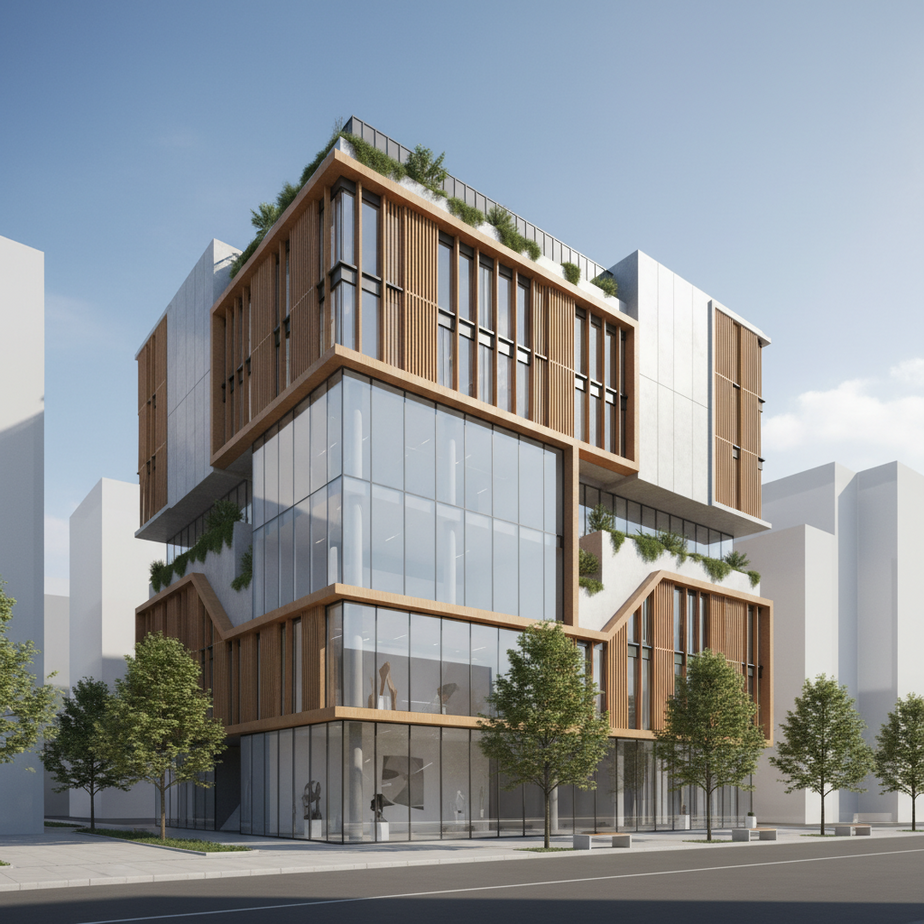
Architectural Rendering Services Near Me: Find the Best
Architectural rendering services transform 2D plans into realistic 3D visuals for various projects. Costs range widely, from $250 to $2,800 for a residential still image, depending on complexity, detail, and studio reputation. These services help architects, developers, and real estate professionals showcase designs and secure stakeholder buy-in before construction begins.
Key Takeaways
- Architectural rendering services provide photorealistic visualizations that are essential for marketing and securing project approvals.
- The cost of a single high-quality architectural rendering can range from $800 to $3,000, depending on the level of detail and the studio’s expertise.
- Common mistakes in architectural rendering include unclear project milestones and neglecting crucial details in the initial design phase.
- 3D animation services, offering dynamic walkthroughs, typically range from $4,000 to $12,000 per project.
- Choosing the right rendering service involves considering project scope, budget, and the studio’s portfolio to ensure a successful outcome.
In today’s competitive real estate and architectural landscape, static blueprints and technical drawings simply don’t cut it. Clients, investors, and stakeholders demand to see the future – a tangible vision of the project before a single brick is laid. This is where architectural rendering services step in, transforming abstract concepts into stunningly realistic visuals. But finding the right “architectural rendering services near me” can feel like navigating a maze.
The challenge lies in identifying a provider that not only possesses the technical skills to create photorealistic images but also understands your project’s unique needs and vision. Cost considerations, varying levels of expertise, and the potential for costly mistakes further complicate the decision-making process. This comprehensive guide will provide you with the knowledge and insights necessary to navigate the world of architectural rendering, ensuring you select the perfect partner to bring your designs to life. Whether you’re a developer seeking pre-construction marketing materials, an architect aiming to win over clients, or a real estate broker showcasing luxury properties, understanding the nuances of architectural rendering is crucial for success. Let’s dive in and explore how to find the best rendering services to meet your specific needs.
What are Architectural Rendering Services?
Architectural rendering services transform architectural designs and blueprints into photorealistic or stylized images and animations. These visuals are vital for architects, developers, and real estate professionals to communicate design intent, secure project approvals, and market properties effectively. Think of it as bringing an architectural vision to life before construction even begins. These services use specialized software and artistic skill to create images that showcase a building’s aesthetics, materials, lighting, and surroundings. Architectural rendering is a powerful tool, bridging the gap between technical drawings and compelling visual communication.
In the architectural and real estate industries, where visual appeal is paramount, these renderings play a critical role. They are used in presentations to clients and investors, marketing materials, and even for internal design reviews. The quality of the rendering can significantly impact the perception of a project, influencing decisions and driving sales. As such, architectural rendering has evolved from a supplementary service to an essential component of the design and development process. With options ranging from photorealistic CGI to VR walkthroughs, the possibilities for visualizing architectural designs are constantly expanding. To ensure the best results, it’s useful to create a 3D rendering checklist so nothing is missed.
Benefits of Architectural Rendering Services for Real Estate and Development
Architectural rendering services offer significant benefits, most notably enhanced marketing and sales potential. High-quality renderings allow potential buyers or investors to visualize the finished product, fostering excitement and confidence. According to industry data, properties marketed with professional renderings often see faster sales cycles and higher transaction values. These visuals are particularly effective in pre-construction sales, where buyers must rely on their imagination to envision the final result. By providing a realistic and appealing depiction of the property, renderings can overcome buyer hesitation and drive purchasing decisions. For more information, see how 3D visuals drive real estate sales.
Beyond marketing, architectural renderings streamline the design and approval processes. By creating detailed visualizations early in the project, architects and developers can identify potential design flaws or aesthetic concerns before construction begins. This proactive approach can save time and money by avoiding costly revisions down the line. Renderings also facilitate communication with stakeholders, including investors, city planners, and community members. Clear and compelling visuals can help to convey the project’s vision and address any concerns, leading to smoother and more efficient approval processes. The investment in architectural rendering services translates into a tangible return through increased sales, reduced costs, and improved project outcomes. Furthermore, consider leveraging augmented reality architecture for enhanced client engagement.
How Architectural Rendering Works: The Process
The architectural rendering process typically begins with the architect or designer providing 2D drawings, 3D models, or CAD files of the project. The rendering artist then uses specialized software to create a virtual 3D model of the building and its surroundings. This involves adding details such as textures, materials, lighting, and landscaping to create a realistic and visually appealing representation. The artist also considers factors like camera angles, composition, and atmospheric effects to achieve the desired aesthetic.
Once the initial model is complete, the client reviews the draft rendering and provides feedback. The artist then makes revisions based on this feedback, refining the details and making adjustments to meet the client’s expectations. This iterative process may involve several rounds of revisions to ensure the final rendering accurately reflects the design intent and meets the client’s specific requirements. The final deliverable can be a still image, a 3D animation, a virtual tour, or an interactive presentation. The rendering workflow can range from simple visualizations to complex, photorealistic representations, depending on the project’s needs and budget. Some firms also offer real-time rendering solutions, which allow for instant feedback and adjustments during the design process.
Architectural Rendering Trends in the US Market
The US market for architectural rendering services is experiencing significant growth, driven by the increasing demand for high-quality visualizations in real estate, construction, and urban planning. One prominent trend is the rise of photorealistic rendering, where the goal is to create images that are virtually indistinguishable from photographs. This level of realism is achieved through advanced rendering techniques, sophisticated software, and meticulous attention to detail. As technology advances, expect to see more interactive hotspot tours, allowing potential buyers to explore properties in detail.
Another key trend is the growing popularity of virtual reality (VR) and augmented reality (AR) applications. VR walkthroughs and virtual tours offer immersive experiences that allow users to explore a building or space as if they were physically present. AR applications, on the other hand, overlay digital information onto the real world, allowing users to visualize how a proposed building will look in its actual environment. These technologies are transforming the way architectural designs are presented and experienced. Finally, there’s a growing emphasis on sustainability and environmental considerations in architectural rendering. Clients are increasingly seeking renderings that showcase energy-efficient designs, green building materials, and sustainable landscaping practices. This reflects a broader trend towards environmentally responsible development and a desire to communicate these values to potential buyers and investors. The demand for architectural rendering services is strong, so it’s important to find the right partner.
Common Mistakes to Avoid
Creating compelling architectural renderings requires a blend of technical skill and artistic vision. However, several common mistakes can undermine the final result and detract from the overall impact of your presentation. Avoiding these pitfalls will lead to more effective and persuasive visuals.
- Unclear Project Milestones: Failing to define clear project milestones is a significant issue in 3D rendering projects. Without established goals and timelines, the project can easily lose focus, leading to delays and cost overruns. Clear milestones ensure everyone is on the same page and that progress can be effectively tracked.
- Over-Reliance on High Poly Counts: Many believe that high polygon counts automatically equate to high-quality renderings. This is not necessarily true. While detailed models are important, excessive polygons can bog down the rendering process and may not significantly improve the final visual. Optimization is key; focus on detail where it matters most.
- Ignoring the Importance of Lighting: Lighting is crucial in architectural rendering. Poor lighting can flatten the image and obscure details. Experiment with different lighting schemes to create mood and highlight key architectural features. Consider the time of day, the direction of the light, and the use of artificial lighting to create a realistic and appealing scene.
- Neglecting Contextual Details: A building doesn’t exist in isolation. Neglecting the surrounding environment can make a rendering feel artificial and unconvincing. Include details like landscaping, street furniture, and even background buildings to create a sense of place and realism. These contextual elements add depth and make the rendering more relatable.
- Failing to Review Drafts Critically: Many 3D architectural rendering issues are only apparent after reviewing a first or second draft. Take the time to carefully examine the composition, lighting, textures, and overall aesthetic. Solicit feedback from others to gain a fresh perspective and identify areas for improvement. This iterative process is essential for achieving a polished and professional final product.
Frequently Asked Questions
Can ChatGPT do architectural renderings?
While ChatGPT can generate text descriptions of architectural designs, it cannot directly create architectural renderings. Specialized software and skilled artists are required to produce high-quality, visually accurate renderings. These professionals use their expertise to translate architectural plans into compelling visual representations.
How much does it cost to do a rendering?
The cost of architectural rendering varies widely based on complexity, detail, and the studio’s expertise. Expect to pay anywhere from $250 to $2,800 for a residential still image, or $450 to $10,000 for a commercial still image. Factors influencing the price include the project’s scope, the level of photorealism required, and the turnaround time.
Will AI replace architectural rendering?
While AI is making inroads into various design fields, it’s unlikely to completely replace architectural rendering in the near future. AI tools can assist with certain aspects of the rendering process, but the artistic eye and technical expertise of human artists remain essential for creating truly compelling and effective visualizations. The best approach leverages AI as a tool to enhance, not replace, human creativity.
How much does rendering typically cost?
Rendering costs vary depending on the type of rendering needed. Still images can range from $500 to $3,000, while animation projects usually start at $4,000 and can go much higher. High-end visualization studios may charge between $2,000 and $8,000+ per image, reflecting their premium quality and longer lead times.
How much should I charge for a 3D rendering?
Pricing for 3D rendering depends on your skill level, the complexity of the project, and your target market. Research what other professionals with similar experience are charging in your area. Consider factors like the time required, the level of detail, and any additional services offered, such as revisions or multiple outputs.
What file formats are commonly used for architectural renderings?
Common file formats for architectural renderings include JPEG, PNG, TIFF, and EXR for still images. For animations, formats like MP4, AVI, and MOV are frequently used. The best format depends on the intended use of the rendering, with factors like image quality, file size, and compatibility playing a role. Professional rendering services can advise on the optimal format for your specific needs.
How long does it take to create an architectural rendering?
The time required to create an architectural rendering can vary significantly based on the project’s complexity. A simple still image might take a few days, while a complex animation could take several weeks or even months. Factors influencing the timeline include the level of detail, the number of revisions, and the studio’s workload. Clear communication and well-defined project milestones are essential for managing expectations and ensuring timely delivery.
Conclusion
Finding the best architectural rendering services near you involves careful consideration of your project’s specific needs, budget, and desired level of quality. By understanding the different types of rendering services available, the factors that influence pricing, and the common mistakes to avoid, you can make an informed decision and select a partner who can bring your vision to life. Remember to prioritize clear communication, a strong portfolio, and a proven track record of success.
Architectural visualization is a powerful tool for communicating design intent, securing approvals, and marketing properties. Investing in high-quality renderings can significantly enhance your project’s impact and increase its chances of success. Don’t settle for mediocre visuals; partner with a team that understands your vision and has the expertise to deliver exceptional results. Explore how 3D architectural rendering can elevate your project. To discuss your project and explore how we can help you achieve your visualization goals, Request a Free Consultation with Rendimension today.