Project approval delays frustrate architects and developers when stakeholders struggle to visualize designs from traditional 2D drawings. Misunderstandings lead to endless revision cycles, extended timelines, and mounting costs. 3D rendering transforms this process by delivering instant visual clarity that accelerates decision making and builds stakeholder confidence. This article reveals how photorealistic renderings cut approval times, reduce revisions, and streamline regulatory processes for faster project completion.
Table of Contents
- Why Traditional Design Presentations Fall Short For Project Approvals
- How 3D And Photorealistic Renderings Improve Stakeholder Understanding And Approval Speed
- Advanced Visualization Platforms And Streamlined Design Review Processes
- Best Practices And Common Pitfalls In Creating Effective Renderings For Approvals
- Ready To Accelerate Your Project Approvals With Expert Renderings?
- Frequently Asked Questions
Key takeaways
| Point | Details |
|---|---|
| Faster approvals | Renderings reduce approval times by 20-30% and revision cycles by up to 50% through immediate visual clarity. |
| Enhanced understanding | Photorealistic images increase stakeholder comprehension by 40%, minimizing costly misunderstandings. |
| Emotional connection | Realistic visuals create emotional buy-in that accelerates decision making and builds project urgency. |
| Advanced platforms | Tools like VU.CITY help secure height approvals and simplify stakeholder visualization for complex projects. |
| Streamlined process | SDR processes combined with renderings reduce submittal requirements and accelerate regulatory reviews. |
Why traditional design presentations fall short for project approvals
Traditional design presentations often leave much to the imagination, causing misunderstandings and delays. Architects and developers face a fundamental communication gap when presenting 2D drawings, elevations, and floor plans to clients, city officials, and investors. These stakeholders rarely possess the technical training to translate flat blueprints into mental images of finished buildings.
The consequences ripple through every project phase. Planning committees request additional clarifications. Investors hesitate to commit funds. Community members voice concerns about visual impact. Each question triggers another revision cycle, pushing approval dates further into the future. You spend weeks refining documents that still fail to convey your vision effectively.
Non-technical stakeholders face specific challenges with conventional presentations:
- Difficulty understanding spatial relationships and building scale from floor plans
- Inability to visualize material finishes, lighting conditions, and environmental context
- Confusion about how the project integrates with surrounding neighborhoods
- Limited capacity to assess aesthetic impact and design quality
This visualization gap creates real financial consequences. Projects stall in approval limbo while carrying costs accumulate. Design teams waste billable hours creating supplementary materials that still miss the mark. Misinterpretations discovered late in construction trigger expensive change orders. The entire development timeline extends, eroding profit margins and market opportunities.
You need a communication method that bridges technical expertise with stakeholder understanding. Traditional presentations simply cannot deliver the immediate comprehension required for confident, rapid approvals in today’s competitive development environment.
How 3D and photorealistic renderings improve stakeholder understanding and approval speed
Reducing revisions by 30-50% transforms project economics and timelines through immediate visual understanding and faster feedback loops. Photorealistic rendering eliminates the translation barrier between your design intent and stakeholder comprehension. When planning commissioners, investors, and community members see a lifelike image of your proposed building in context, they grasp spatial relationships instantly.
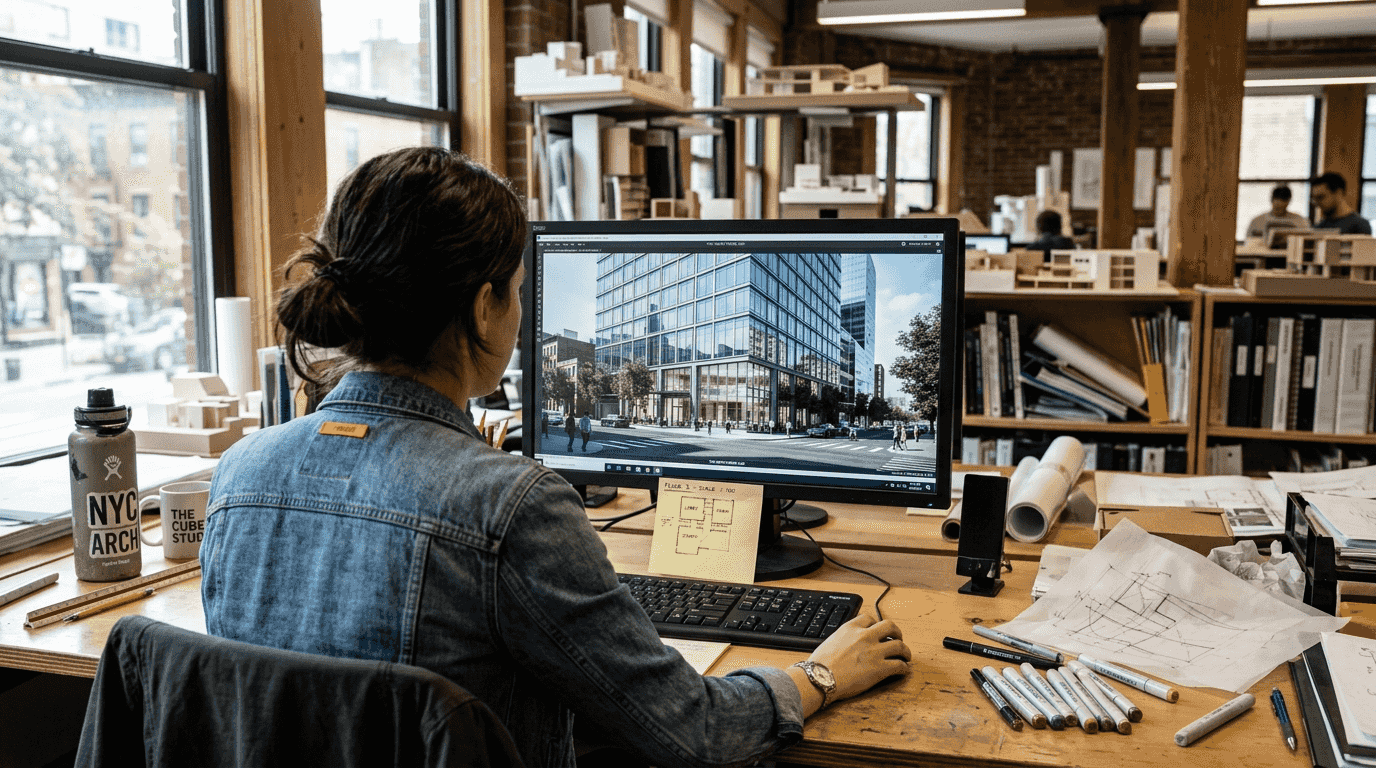
The numbers reveal dramatic efficiency gains. Studies show that stakeholder understanding increases by 40% when viewing photorealistic renderings compared to traditional drawings. This clarity accelerates decision making at every approval stage. You receive actionable feedback in initial presentations rather than vague concerns requiring multiple clarification rounds.
Renderings deliver benefits across multiple project dimensions:
- Immediate spatial comprehension eliminates confusion about building massing and site relationships
- Material and finish visualization prevents late-stage surprises about aesthetic qualities
- Contextual integration shows how your design complements existing neighborhood character
- Lighting and shadow studies demonstrate seasonal and daily environmental impacts
Emotional connection drives approval success beyond pure information transfer. Stakeholders form positive associations when they see beautiful, realistic images of your project. This emotional buy-in creates momentum that speeds committee votes and investor commitments. People become advocates rather than skeptics when they can envision themselves in the finished space.
Pro Tip: Present renderings showing your building at different times of day and seasons. This comprehensive visualization addresses common stakeholder concerns about year-round visual impact before questions arise.
The approval acceleration extends to marketing and pre-sales activities. Real estate developers use renderings to secure buyer commitments before breaking ground, providing financial validation that reassures planning authorities. You demonstrate market demand while simultaneously building approval support, creating a virtuous cycle that compresses timelines.
Following 3D rendering best practices ensures your visuals communicate effectively without overselling. Balance photorealism with accurate representation of approved plans. Stakeholders trust renderings that match technical drawings, building credibility that smooths the entire approval process.
Advanced visualization platforms and streamlined design review processes
Specialized platforms combine rendering technology with regulatory workflows to simplify complex approval processes. VU.CITY helps secure additional height approvals by enabling comprehensive 3D development visualization that planning authorities can explore interactively. Architects upload building models into citywide digital twins, allowing officials to assess visual impact from any vantage point without site visits.
This technology transforms stakeholder collaboration. Planning committees examine your proposal from neighboring properties, public parks, and key viewpoints. They test different design scenarios in real time during review meetings. You address concerns immediately by adjusting massing, materials, or landscaping within the platform. The interactive process builds consensus faster than traditional back-and-forth document exchanges.
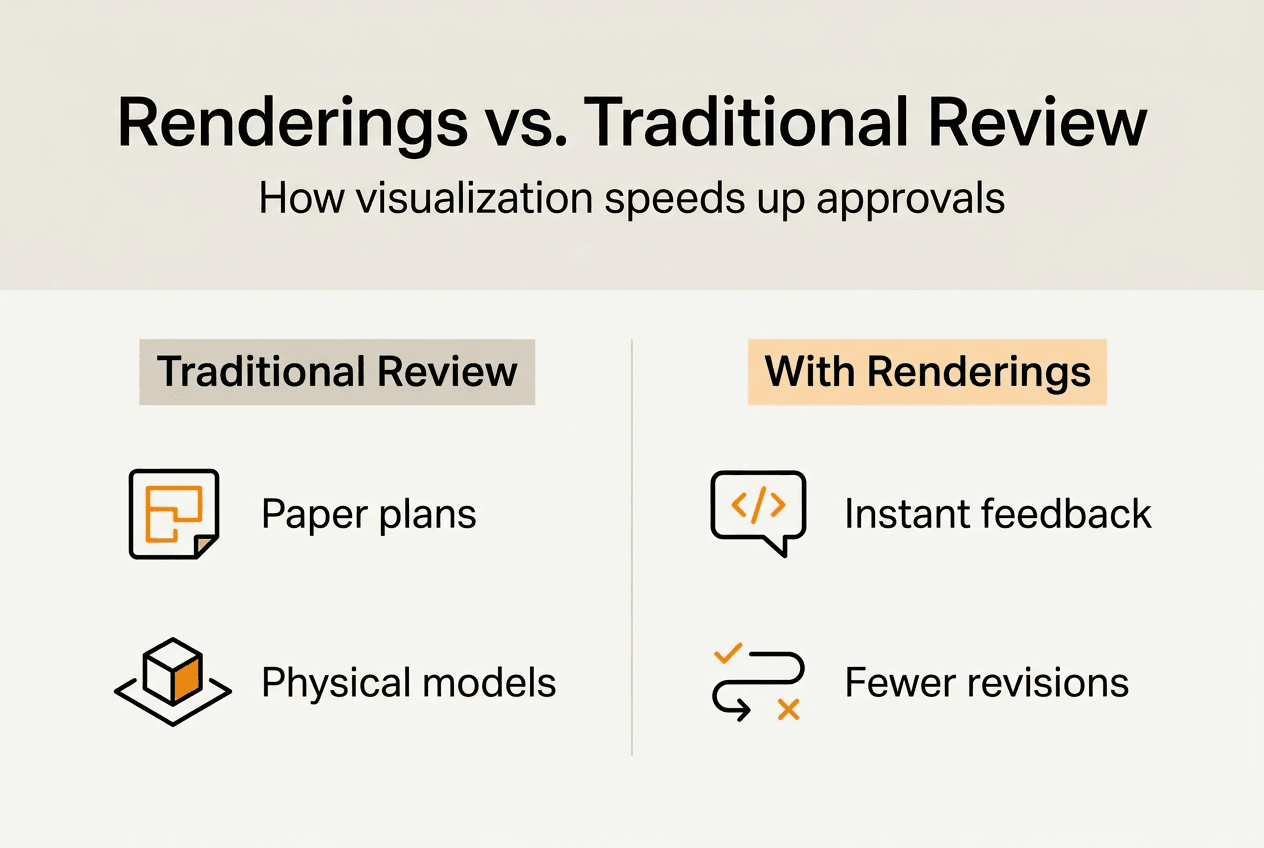
Streamlined Design Review reduces complexity and offers development flexibility through Land Use Code adjustments that recognize rendering quality. Cities implementing SDR processes accept fewer physical models and supplementary drawings when developers submit high-quality visualizations. The reduced submittal requirements cut preparation costs while accelerating review timelines.
Regulatory flexibility encourages innovative designs that might face skepticism under conventional review. When you demonstrate visual compatibility through photorealistic context renderings, planning authorities approve creative solutions that push beyond standard templates. This openness to innovation benefits both architectural expression and urban design quality.
| Traditional Review | Rendering-Enhanced Review |
|---|---|
| Multiple physical models required | Single digital model with multiple views |
| Limited stakeholder visualization | Interactive exploration from any angle |
| Rigid interpretation of design standards | Flexibility based on demonstrated compatibility |
| Extended back-and-forth clarifications | Real-time collaborative adjustments |
| Site visits for impact assessment | Virtual viewpoint analysis |
The combination of advanced platforms and streamlined processes creates approval pathways that reward visualization investment. You gain competitive advantages by demonstrating design quality that less sophisticated competitors cannot match. Planning authorities appreciate the clarity, reducing their review burden while improving approval confidence.
Integrating these tools with advanced 3D rendering transformation techniques maximizes approval success. Start with accurate base models that match site surveys and zoning requirements. Layer photorealistic materials, lighting, and landscaping that reflect actual construction intent. Present the results through platforms that facilitate stakeholder exploration and feedback.
Best practices and common pitfalls in creating effective renderings for approvals
Execution quality determines whether renderings accelerate approvals or undermine credibility. Poor lighting, generic assets, and inaccurate materials reduce realism and stakeholder trust in renderings, triggering skepticism that delays decisions. You must balance technical precision with visual appeal to create images that inform and inspire simultaneously.
Lighting makes or breaks photorealism. Study actual sun angles for your site location and project latitude. Model seasonal variations that show winter and summer conditions. Include ambient light from sky and surrounding buildings, not just direct sunlight. Artificial lighting should match specified fixtures with accurate color temperatures and intensities. These details create believable scenes that stakeholders accept as reliable previews.
Material accuracy requires research beyond software libraries. Photograph actual brick, concrete, glass, and metal samples you plan to specify. Capture texture, reflectivity, and weathering characteristics. Import these references into your rendering software to create custom materials that match construction reality. Generic textures from stock libraries telegraph inexperience and raise questions about overall project quality.
Balance photorealism with design intent communication:
- Emphasize architectural features that define your concept without exaggerating proportions
- Show realistic landscaping maturity rather than fully grown trees that take decades to develop
- Include people and vehicles at appropriate scales to convey activity without distraction
- Maintain accurate building heights and setbacks that match approved plans exactly
Pro Tip: Create a rendering review checklist that verifies every material, dimension, and site feature against construction documents before presenting to stakeholders. This quality control prevents embarrassing discrepancies that damage credibility.
The debate centers on balancing realism and artistic intent for best communication. Hyper-realistic renderings can feel sterile and lifeless. Overly artistic interpretations may misrepresent actual design. Find the middle ground where technical accuracy meets engaging visual storytelling.
Involve stakeholders early in the rendering process. Share preliminary images to gather feedback on viewpoints, lighting conditions, and contextual elements they want to see. This collaborative approach ensures final renderings address their specific concerns. You avoid wasting resources on beautiful images that miss the questions decision makers actually need answered.
Common pitfalls destroy rendering effectiveness:
- Unrealistic weather conditions that make every day look perfect and sunny
- Absent or minimal context showing surrounding buildings and streetscapes
- Inconsistent scales between people, vehicles, and architecture
- Over-saturated colors that look artificial and untrustworthy
Following architectural visualization best practices ensures your renderings serve approval goals effectively. Invest time in accurate modeling, realistic materials, and proper lighting. The upfront effort pays dividends through faster approvals, fewer revisions, and stronger stakeholder confidence in your design vision.
Ready to accelerate your project approvals with expert renderings?
Professional rendering services transform approval timelines by delivering the visual clarity stakeholders demand. Expert teams combine technical precision with artistic skill to create photorealistic images that build immediate confidence in your design. You gain competitive advantages through renderings that communicate more effectively than anything you could produce in-house.
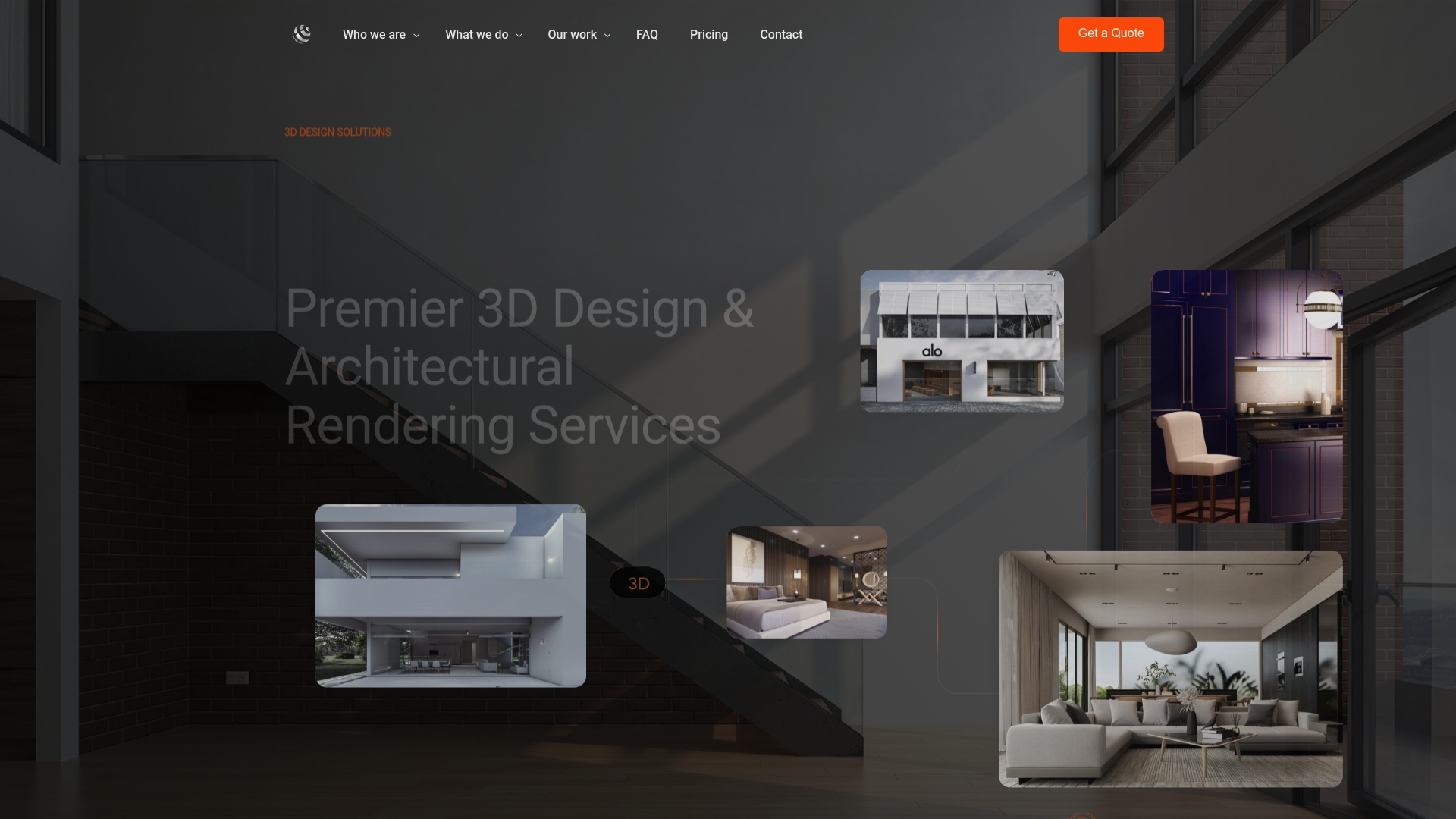
Specialized 3D rendering services handle the complex technical requirements that slow internal teams. Professionals optimize lighting, materials, and composition to highlight your design strengths while addressing common stakeholder concerns. They deliver multiple viewpoints and scenarios that anticipate questions before they arise. This comprehensive approach compresses approval cycles by eliminating clarification rounds.
Architectural visualization services provide the expertise to navigate regulatory requirements and stakeholder expectations across different project types. Whether you’re seeking residential development approvals or commercial project permits, experienced rendering teams understand what planning authorities need to see. They create documentation that satisfies technical requirements while inspiring emotional buy-in. Learn how to create professional 3D renderings that elevate your approval success rate and project outcomes.
Frequently asked questions
How quickly can 3D renderings speed up project approvals?
Projects using 3D renderings can reduce approval times by 20-30% and revision cycles by up to 50%. Renderings provide immediate visual clarity that accelerates stakeholder decision making. You receive actionable feedback in initial presentations rather than vague concerns requiring multiple rounds of clarification.
What makes photorealistic renderings more effective than basic 3D models?
Photorealistic renderings accurately show materials, lighting, and spatial context that basic models cannot convey. They increase stakeholder understanding by about 40%, minimizing misunderstandings that trigger delays. The realism builds emotional connection and confidence that accelerates approval decisions.
How do visualization platforms like VU.CITY support project approvals?
VU.CITY provides comprehensive 3D visualization tools used by architects, developers, and planning authorities. It has helped projects obtain additional height approvals by enabling interactive exploration of visual impact from any viewpoint. The platform facilitates real-time collaborative design adjustments during review meetings.
What are common pitfalls to avoid in architectural rendering?
Avoid poor lighting, inaccurate materials, and generic stock assets that reduce credibility. Balance realism with conveying design intent rather than creating hyper-realistic or overly artistic images. Verify every rendering element against construction documents to prevent discrepancies that damage stakeholder trust.
Recommended
- Streamline Your 3D Rendering Approval Workflow In 2026
- Architectural Visualization Services In Miami: Rendimension
- Architectural Renders: Transforming Decision-Making
- Architectural Visualization Guide For Stunning 3D Renderings
