For many architects, translating imaginative concepts into visuals that clients instantly understand can feel challenging. Clear communication matters at every project stage, whether shaping a bespoke Canadian home or designing an American commercial hub. By mastering architectural visualization as a communication tool, architects gain the power to move seamlessly from abstract sketches to immersive, realistic experiences that foster collaboration and trust. Explore how innovative visualization methods can set your work apart and elevate client engagement.
Table of Contents
- Defining Architectural Visualization And Its Role
- Types Of Visualization Tools And Techniques
- Key Benefits For Project Communication
- Real-World Uses In Residential And Commercial Design
- Risks, Limitations, And Cost Factors
- Common Visualization Mistakes To Avoid
Key Takeaways
| Point | Details |
|---|---|
| Architectural Visualization Importance | It transforms abstract designs into realistic visuals, enhancing communication between architects, clients, and stakeholders. |
| Types of Visualization Techniques | Embracing tools like 3D CAD, photorealistic rendering, VR, and AR enhances the clarity and impact of design presentations. |
| Benefits for Project Communication | Visualization improves client comprehension, accelerates design iteration, and boosts stakeholder engagement, leading to successful outcomes. |
| Common Mistakes to Avoid | Architects must avoid overemphasis on aesthetics, neglecting real-world context, and using technical jargon to ensure effective communication. |
Defining Architectural Visualization and Its Role
Architectural visualization represents a critical transformation process in design, bridging abstract conceptual thinking with tangible visual representations. At its core, this technique enables architects to translate complex spatial ideas into comprehensible visual narratives that communicate design intent with remarkable precision. Architectural visualization emerges as a fundamental communication tool that transforms conceptual sketches into immersive, realistic digital experiences.
The process encompasses several key dimensions that make it indispensable for modern architectural practice:
- Translating abstract design concepts into realistic digital renderings
- Exploring spatial arrangements and design alternatives
- Facilitating client and stakeholder communication
- Enabling realistic preview of proposed architectural solutions
- Supporting decision-making through visual storytelling
Modern architectural visualization goes far beyond simple technical drawings. It represents a sophisticated intersection of artistic imagination, technological capability, and design communication. Architects leverage advanced rendering techniques to create photorealistic representations that allow clients, investors, and project teams to experience proposed spaces before physical construction begins.

These visualization techniques serve multiple critical functions in architectural practice. They help architects iterate design concepts rapidly, identify potential spatial challenges early, and present compelling visual narratives that engage stakeholders. By transforming two-dimensional plans into immersive three-dimensional environments, visualization tools enable more collaborative, transparent, and effective design processes.
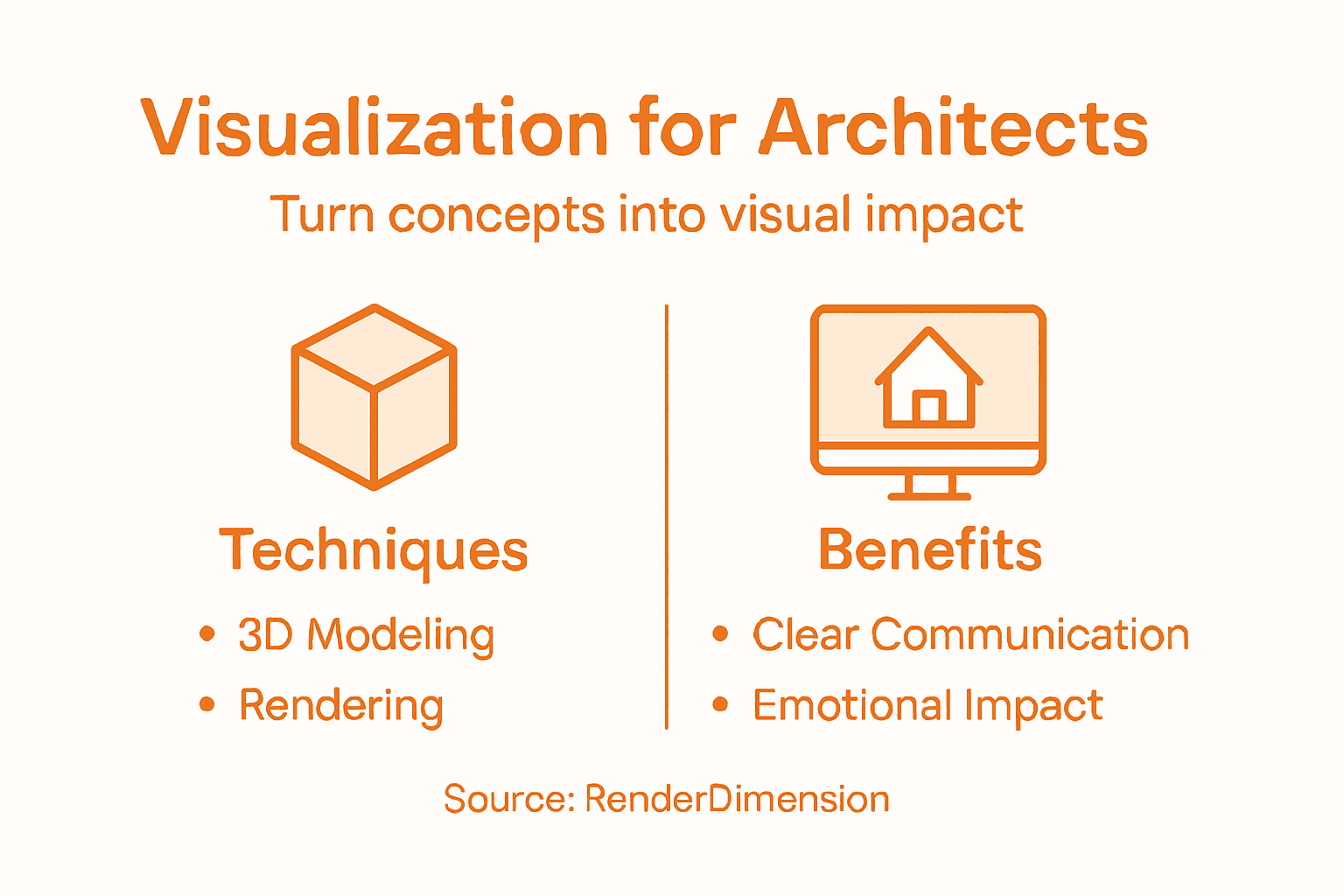
Pro Tip: Invest time in developing high-quality visualization skills, as they can dramatically enhance your ability to communicate complex design ideas and win client trust.
Types of Visualization Tools and Techniques
Architectural visualization has evolved dramatically, offering architects an expansive toolkit for transforming design concepts into compelling visual experiences. Advanced rendering technologies now integrate artificial intelligence to create increasingly sophisticated and personalized design representations.
The primary visualization techniques in modern architectural practice include:
- 3D Computer-Aided Design (CAD) Modeling
- Precise geometric design representation
- Ability to create detailed structural blueprints
- Supports complex spatial planning
- Photorealistic Rendering
- High-fidelity visual simulations
- Realistic material and lighting representations
- Enables immersive design previews
- Virtual Reality (VR) Experiences
- Interactive design walkthroughs
- Full spatial immersion for stakeholders
- Real-time design exploration
- Augmented Reality (AR) Visualization
- Overlay digital designs onto physical environments
- Immediate contextual understanding
- Dynamic design modification capabilities
Each visualization technique offers unique advantages, enabling architects to communicate design intent with unprecedented clarity and precision. These tools transform abstract concepts into tangible experiences, bridging the gap between imagination and reality.
Modern architectural visualization goes beyond mere technical representation. It’s a sophisticated storytelling medium that allows architects to convey emotional and experiential qualities of proposed spaces. By leveraging cutting-edge technologies, design professionals can create compelling narratives that engage clients, investors, and project stakeholders on a deeper, more intuitive level.
Pro Tip: Continuously explore and master multiple visualization techniques to develop a versatile and compelling design communication approach.
Here’s a concise comparison of major architectural visualization techniques based on their primary application and value in practice:
| Visualization Technique | Best Used For | Unique Value Proposition |
|---|---|---|
| 3D CAD Modeling | Technical drawings and workflows | Precise structure planning |
| Photorealistic Rendering | Design approval and marketing | Realistic visual simulation |
| Virtual Reality (VR) | Stakeholder immersion and walkthrough | Real-time spatial exploration |
| Augmented Reality (AR) | Site-based design review | Overlay designs in real settings |
Key Benefits for Project Communication
Architectural visualization has transformed project communication from static blueprints to dynamic, interactive experiences. Comprehensive visualization strategies dramatically improve stakeholder understanding by creating intuitive, accessible design representations that bridge communication gaps between professionals and clients.
The key benefits of architectural visualization in project communication include:
- Enhanced Client Comprehension
- Converts abstract concepts into tangible visuals
- Allows non-technical stakeholders to understand design intent
- Reduces misinterpretation of technical drawings
- Rapid Design Iteration
- Enables quick modifications and visual feedback
- Supports collaborative design refinement
- Accelerates decision-making processes
- Risk Mitigation
- Reveals potential design conflicts early
- Identifies spatial challenges before construction
- Minimizes costly post-construction modifications
- Stakeholder Engagement
- Creates immersive design storytelling experiences
- Builds client confidence and trust
- Facilitates more meaningful project discussions
Visualization tools have fundamentally reshaped architectural communication. By transforming complex design concepts into clear, compelling visual narratives, architects can now communicate more effectively than ever before. These tools serve as a universal language that transcends technical jargon, enabling meaningful dialogue between design professionals and their clients.
Modern visualization techniques do more than simply represent spaces—they create emotional connections. Through photorealistic renderings, interactive walkthroughs, and immersive experiences, architects can help stakeholders truly understand and feel the potential of a proposed design, moving beyond mere technical specifications to inspire and engage.
Pro Tip: Develop a diverse visualization toolkit that allows you to communicate design concepts through multiple perspectives and formats.
Real-World Uses in Residential and Commercial Design
Advanced architectural visualization techniques transform how designers approach both residential and commercial projects, creating powerful tools for spatial exploration and client communication. These technologies bridge the gap between conceptual imagination and tangible design experiences across diverse architectural contexts.
In residential design, visualization techniques offer unique applications:
- Home Renovation Planning
- Precise room layout simulations
- Material and color palette previews
- Virtual furniture placement and styling
- Custom Home Design
- Personalized spatial experience modeling
- Detailed interior and exterior exploration
- Client-specific design iteration
- Landscape Integration
- Natural environment contextual rendering
- Lighting and seasonal design analysis
- Architectural harmony visualization
Commercial design visualization presents even more complex challenges and opportunities. Architects leverage advanced rendering technologies to communicate intricate spatial relationships, demonstrate functional workflows, and create immersive stakeholder experiences that go far beyond traditional blueprints.
Visualization tools have become essential in commercial sectors like office design, retail spaces, and hospitality environments. By providing realistic, interactive representations, these technologies enable decision-makers to understand spatial dynamics, assess design functionality, and make informed choices before significant financial investments.
Pro Tip: Develop a portfolio showcasing diverse visualization examples that demonstrate your ability to translate complex design concepts across residential and commercial contexts.
To better understand how visualization impacts different project types, see this summary of residential versus commercial applications:
| Project Type | Common Visualization Uses | Typical Stakeholder Benefit |
|---|---|---|
| Residential | Renovation previews, landscape fit | Personalized design choices, clear plans |
| Commercial | Space workflow demos, branding | Informed investment, operational clarity |
Risks, Limitations, and Cost Factors
Architectural visualization technologies present complex financial and operational challenges that architects must carefully navigate. While these tools offer tremendous potential, understanding their inherent limitations is crucial for effective implementation and managing client expectations.
Key financial and operational risks include:
- Initial Investment Costs
- High-end software licensing fees
- Advanced hardware requirements
- Ongoing technology upgrade expenses
- Skills and Training
- Specialized technical training needed
- Continuous learning curve
- Potential skills gap in design teams
- Potential Visualization Limitations
- Risk of creating unrealistic expectations
- Potential design misrepresentation
- Overemphasis on aesthetic rendering
- Technical Challenges
- Computational processing requirements
- Rendering time and complexity
- Accuracy versus artistic interpretation
The financial investment in visualization technologies extends beyond simple software purchases. Architects must consider comprehensive training programs, potential workflow redesigns, and ongoing technology maintenance to truly leverage these advanced design tools.
Stakeholder management becomes critical when using visualization technologies. Highly polished renderings can create expectations that might not align with practical construction constraints, potentially leading to project complications, budget overruns, and client disappointment.
Pro Tip: Always provide context and realistic disclaimers alongside visualization renders to manage stakeholder expectations effectively.
Common Visualization Mistakes to Avoid
Architectural visualization requires strategic communication approaches to effectively translate design intent and prevent misunderstandings between architects, clients, and stakeholders. Understanding common pitfalls is crucial for creating meaningful and accurate visual representations.
Critical visualization mistakes architects must avoid include:
- Overemphasis on Photorealism
- Sacrificing design clarity for aesthetic polish
- Creating unrealistic visual expectations
- Distracting from core architectural concepts
- Context Neglect
- Failing to demonstrate real-world environment
- Ignoring site-specific design constraints
- Presenting designs in isolation
- Stakeholder Communication Failures
- Using technical language non-designers cannot understand
- Inadequate visual storytelling
- Not adapting presentations to different audience needs
- Technical Representation Errors
- Inconsistent scale and proportion
- Unrealistic lighting or material representations
- Lack of detailed spatial relationships
Visualization is more than just creating beautiful images—it’s about effectively communicating complex design ideas. Architects must strike a delicate balance between artistic representation and technical accuracy, ensuring that visual narratives remain true to the original design intent while remaining accessible to diverse audiences.
Successful architectural visualization requires continuous refinement and feedback. By developing a nuanced approach that prioritizes clear communication, architects can transform visual representations from mere technical drawings into powerful storytelling tools that inspire and inform.
Pro Tip: Always create multiple visualization styles tailored to different stakeholder perspectives and comprehension levels.
Elevate Your Architectural Vision with Expert Visualization Solutions
Architects face the challenge of turning complex concepts into clear, immersive experiences that truly connect with clients and stakeholders. The article highlights the need to overcome communication barriers, manage expectations, and deliver realistic visual storytelling through advanced techniques like photorealistic rendering, virtual reality, and augmented reality. If you want to avoid costly misinterpretations and foster faster, confident decision-making you need visualization that brings your designs to life with precision and impact.
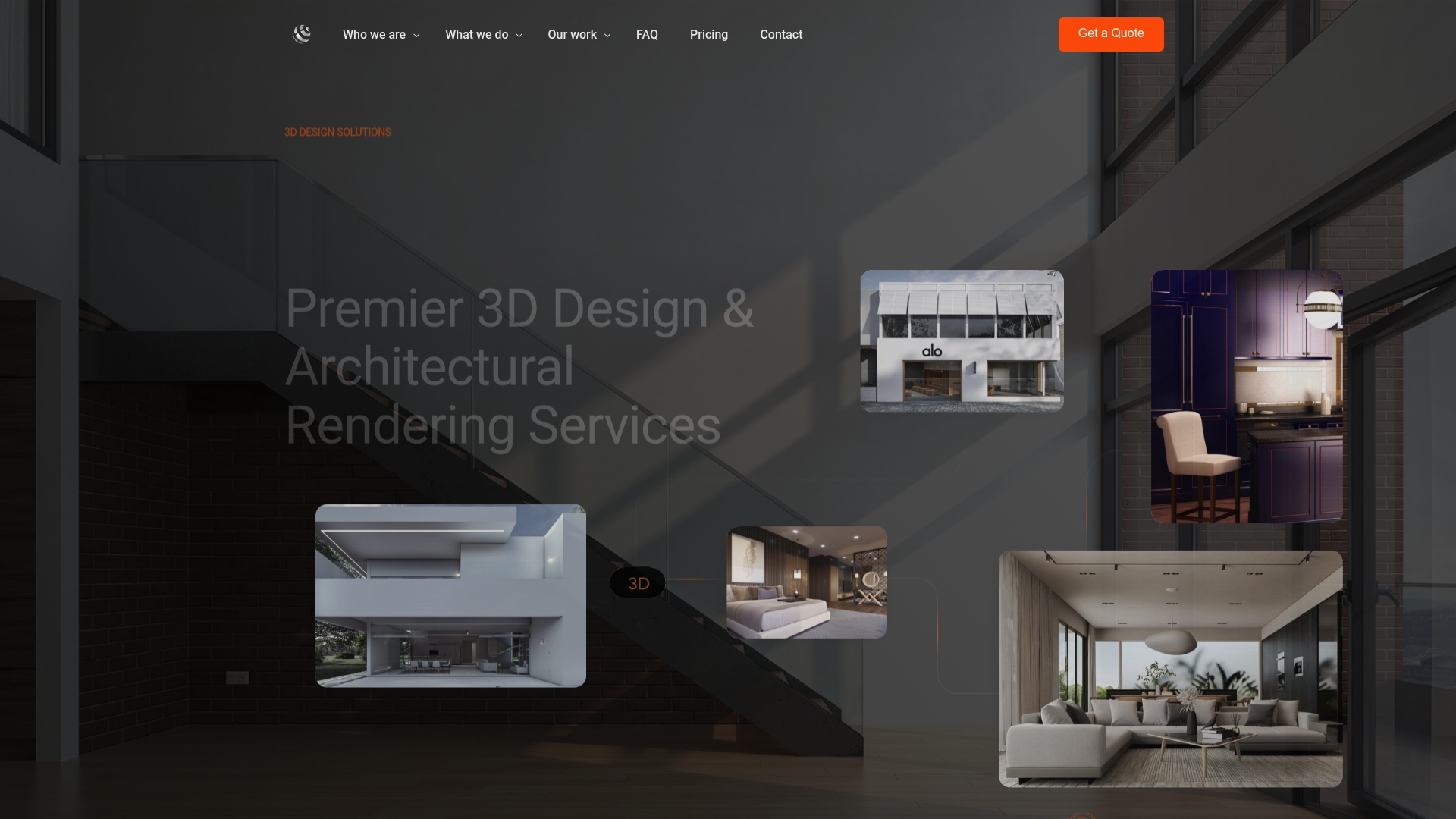
Discover how Rendimension’s specialized architectural visualization services can transform your projects. With over 1,000 successful global projects we provide stunning 3D renderings and immersive walkthroughs tailored for both residential and commercial design. Act now to enhance client engagement and streamline design approvals with visuals that match your creative vision. See how easy it is to communicate complex architectural ideas by visiting Rendimension today and turning your concepts into compelling visual realities.
Frequently Asked Questions
What is architectural visualization?
Architectural visualization is the process of translating abstract design concepts into visual representations, such as digital renderings or interactive experiences, enabling architects to communicate design intent clearly and effectively.
How does architectural visualization improve client communication?
By transforming complex design concepts into tangible visuals, architectural visualization enhances client comprehension, reduces misinterpretations, and fosters more meaningful discussions about the design process.
What are some common techniques used in architectural visualization?
Common techniques include 3D CAD modeling, photorealistic rendering, virtual reality (VR), and augmented reality (AR). Each technique serves a different purpose, from technical drawings to immersive walkthroughs.
What are the benefits of using virtual reality in architectural visualization?
Virtual reality provides interactive design walkthroughs, allowing stakeholders to experience spaces in real-time. This immersion aids in understanding spatial relationships and encourages valuable feedback during the design process.
Recommended
- 7 Essential Architectural Visualization Examples For Pitch Success
- 7 Product Visualization Strategies For Architects And Designers
- Architectural Renders: Transforming Decision-Making
- Architectural Visualization Step By Step For Stunning Results
- How to Use Textured Wall Panels to Add Depth to Your Bathroom