Unlocking the full potential of your designs and projects in 2026 starts with mastering rendering services. As digital visualization rapidly evolves, understanding how to leverage rendering services gives you a decisive edge, whether you are an architect, designer, developer, or business owner.
This guide offers a comprehensive roadmap to navigating the rendering landscape. You will discover the evolution of rendering, the latest technologies, proven selection criteria, workflow strategies, cost management techniques, and future-ready trends.
Gain a competitive advantage, stay ahead of industry shifts, and achieve standout visualizations. Let this guide inspire you to take action, optimize your processes, and achieve exceptional project results.
The Evolution of Rendering Services: Past, Present, and 2026 Outlook
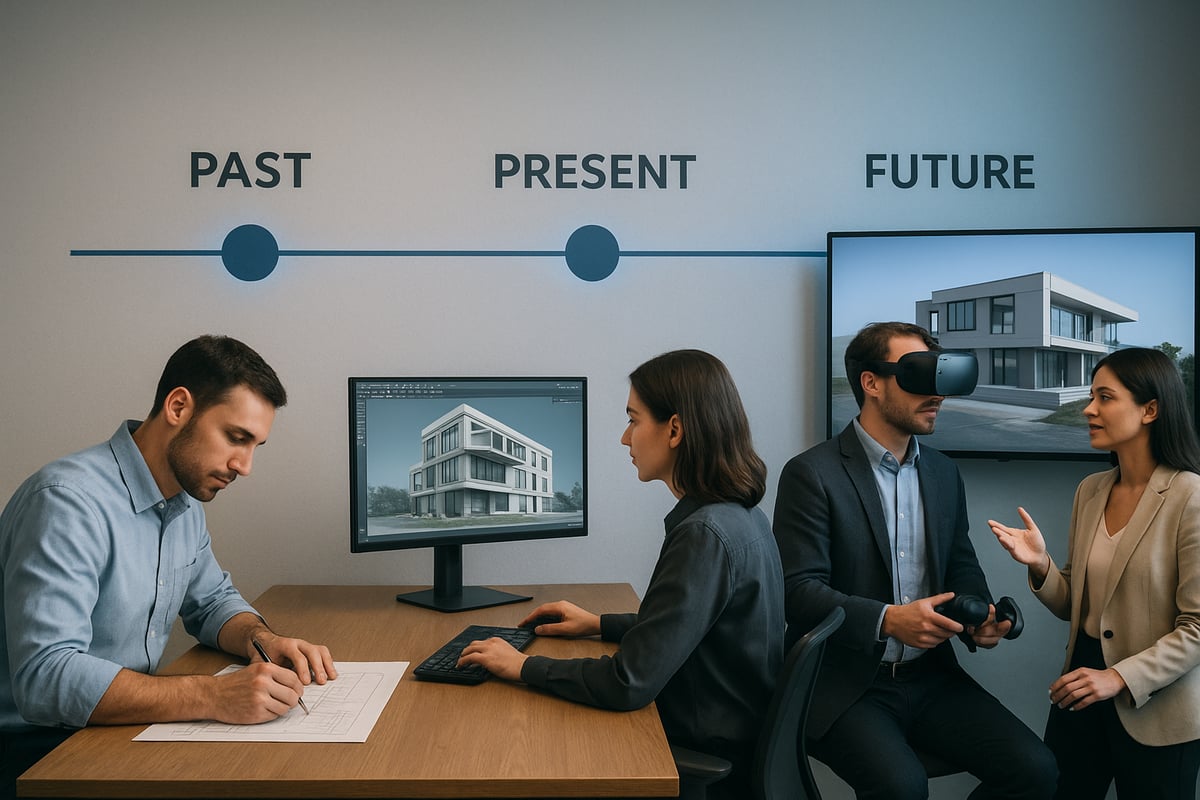
The history and future of rendering services reveal how visualization technology has transformed industries at every stage. From hand-drawn sketches to AI-powered scenes, the evolution shapes how professionals present ideas, win clients, and drive project success. Understanding this journey is essential for anyone leveraging rendering services in today's competitive landscape.
The Early Days: From Hand-Drawn to Digital
Rendering services began with skilled artists creating detailed hand-drawn perspectives for architecture and product design. In the 1990s, the shift to early computer-generated imagery introduced new possibilities for accuracy and speed. This transition revolutionized how professionals visualized projects, especially for real estate marketing materials that moved from watercolor sketches to digital renderings.
The adoption of digital tools allowed for more consistent results and easier revisions. As rendering services matured, clients began to expect higher quality and faster turnaround, setting the stage for the next wave of innovation.
Present-Day Rendering: Tools, Techniques, and Market Growth
Today, rendering services rely on advanced software like 3ds Max, V Ray, and Blender. These tools enable photorealistic images, real time rendering, and even virtual reality integration. The capabilities of rendering services have expanded, supporting industries from architecture to film.
A growing market highlights this evolution. According to Statista, the global rendering services market is projected to reach $9.8 billion by 2025. The demand for high quality, interactive visuals is driving innovation and competition in the field.
| Leading Software | Key Features |
|---|---|
| 3ds Max | Modeling, Animation |
| V Ray | Photorealism |
| Blender | Open Source, VR |
The 2026 Landscape: Key Innovations and Consumer Expectations
By 2026, rendering services will be shaped by AI powered rendering, cloud based collaboration, and immersive experiences. Clients are seeking interactive 3D walkthroughs and virtual staging, raising the bar for engagement. Real time feedback between designers and clients is becoming standard, streamlining project approvals.
For a deeper look at future innovations, visit the Future of 3D Rendering page for insights on trends that will define rendering services in the years ahead.
These advancements position rendering services as a strategic asset for businesses aiming to exceed client expectations and stay ahead in a digital world.
Challenges and Opportunities Ahead
As rendering services advance, balancing speed, quality, and cost remains a challenge. Providers must invest in technology to deliver rapid results while maintaining visual excellence. Sustainability is also in focus, with green computing practices reducing energy consumption in rendering workflows.
Key opportunities include:
- Adopting energy efficient rendering farms
- Leveraging automation for repetitive tasks
- Expanding interactive and cloud based offerings
Staying competitive means embracing these challenges and turning them into opportunities for growth.
Case Study: How Top Firms Adapted to Change
A leading architecture firm in 2025 exemplified adaptation by integrating VR and AI into their rendering services. Their new workflow enabled clients to experience designs in VR, receive instant feedback, and visualize changes in real time.
The results were significant. The firm achieved faster project approvals, increased client satisfaction, and produced award winning visuals. Their success demonstrates how embracing cutting edge rendering services can differentiate a business and drive project outcomes.
Types of Rendering Services and Their Applications
Understanding the full spectrum of rendering services is essential for anyone aiming to achieve high-impact visualizations. Each type serves a unique purpose, supporting industries from real estate to healthcare. Let us explore the primary categories and their real-world applications.
Architectural Visualization: Residential, Commercial, and Urban Planning
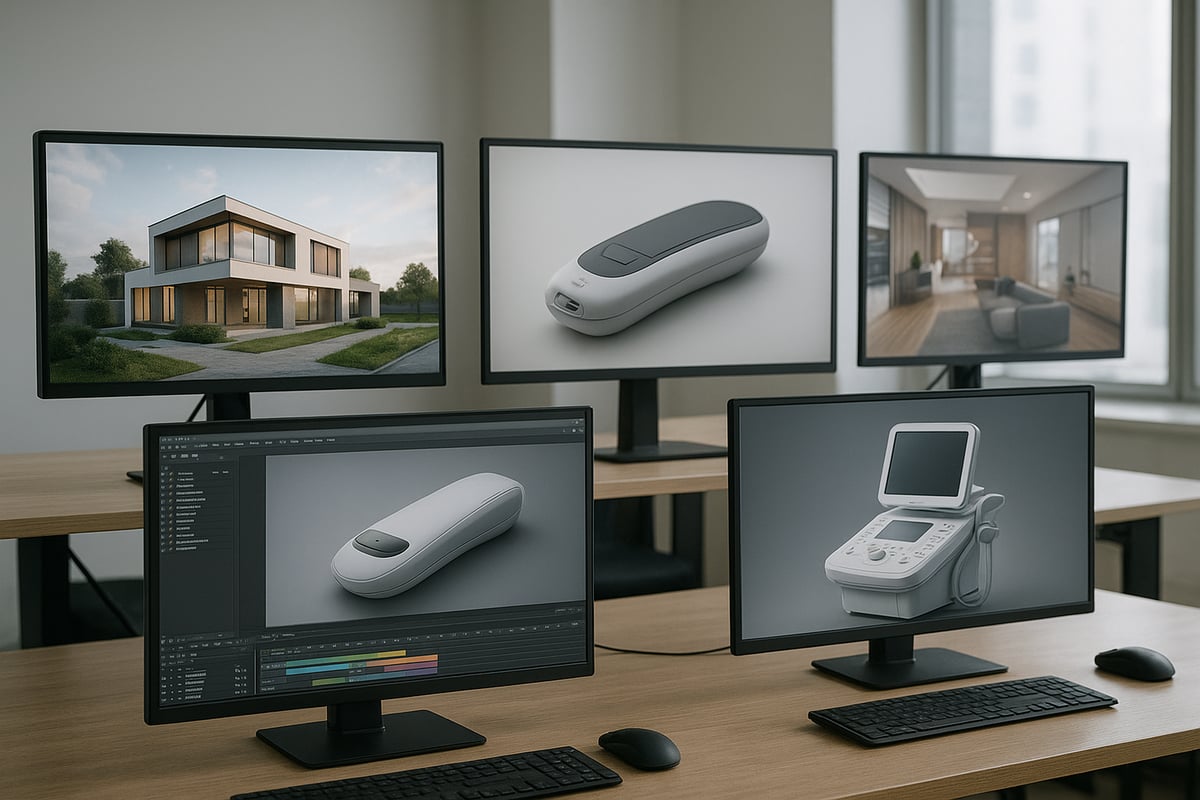
Architectural visualization is the backbone of many rendering services, transforming blueprints into compelling visuals. This includes exterior, interior, and aerial renderings, all tailored to showcase planned spaces before construction begins.
Pre-construction marketing, regulatory approvals, and investor presentations all benefit from these services. According to NAR, 85 percent of real estate projects now use 3D renderings for pre-sales. For a deeper dive into the techniques and strategies behind these results, the Architectural Visualization Guide offers valuable insights.
Product Rendering: Prototyping and Marketing
Product rendering services accelerate the journey from concept to market-ready visuals. Companies leverage these services to create detailed prototypes and photorealistic images for marketing campaigns.
Consumer electronics brands, for example, use 3D renderings to visualize products on e-commerce platforms before physical prototypes exist. This approach helps teams test concepts quickly and attract customer interest early.
Virtual Reality and 360° Tours
The adoption of immersive technologies has expanded the capabilities of rendering services. Virtual reality and 360 degree tours allow clients to explore spaces interactively, bridging the gap between vision and experience.
These services are increasingly popular in real estate, hospitality, and education. Remote collaboration is simplified, enabling teams and stakeholders to review designs from anywhere in the world.
Animation and Walkthroughs
Animation and walkthroughs bring projects to life by illustrating the flow and function of complex designs. Animated flythroughs and explainer videos are powerful tools for communicating ideas to both technical and non-technical audiences.
Infrastructure projects, such as bridges or transit systems, often use animation to engage stakeholders and secure approvals. This dynamic approach sets rendering services apart in visual storytelling.
Specialized Services: Medical, Automotive, and Industrial Rendering
Specialized rendering services cater to industries with unique visualization needs. In the medical field, 3D models of devices help with training and product demonstrations. Automotive designers use renderings for prototyping and marketing new vehicles.
Industrial clients rely on tailored visualizations to explain machinery or production layouts. These niche applications highlight the versatility and innovation within the rendering services sector.
How to Choose the Right Rendering Service Provider
Selecting the right partner for rendering services can make or break your project’s success. With a crowded market and rapidly evolving technology, knowing what to look for ensures you get outstanding results and a smooth collaboration. Let’s break down the key steps and criteria for making an informed choice.
Key Selection Criteria: Quality, Portfolio, and Expertise
When evaluating rendering services, start by reviewing the provider’s portfolio. Look for a diverse range of projects, attention to detail, and the ability to capture your desired style. Quality is evident in photorealistic textures, balanced lighting, and realistic perspectives.
A strong portfolio demonstrates technical skill and industry experience. Check for case studies, client testimonials, and awards. This gives insight into the provider’s reliability and creativity.
If you want a deeper dive into selection strategies, consider this guide on How to Find the Best Architectural Rendering Services, which covers actionable tips for comparing providers and portfolios.
Turnaround Time, Communication, and Collaboration
Timely delivery is crucial in rendering services, especially for projects with tight deadlines. Ask about average turnaround times and availability for urgent requests. Reliable providers use project management tools to streamline communication.
Effective collaboration involves regular updates and transparent feedback channels. Opt for partners who offer real-time progress reports and are responsive to questions. This approach minimizes misunderstandings and keeps your project on track.
Clear communication and a structured workflow help ensure your vision is accurately translated into the final render.
Pricing Models and Value for Money
Pricing for rendering services varies widely, so it’s essential to understand different models. Common structures include per image, per project, or hourly rates. Make sure you receive a detailed quote outlining what’s included.
High-quality renders typically cost between $300 and $2000 per image, depending on complexity and resolution. Ask about revision policies and potential extra charges. Comparing pricing against the provider’s portfolio can help determine value for money.
Bundling services or negotiating package deals can deliver greater ROI for larger projects without sacrificing quality.
Technology Stack and Software Compatibility
The technology stack used by your rendering services provider impacts workflow efficiency and final deliverables. Ensure the team works with industry-standard software like 3ds Max, V-Ray, or Blender, and can handle your required file formats.
Cloud-based rendering and cross-platform compatibility add flexibility for remote teams. Providers who invest in the latest tools deliver faster results and more innovative solutions.
Double-check that your provider can integrate with your existing design pipeline to avoid compatibility issues and delays.
Rendimension: A Leader in 3D Rendering and Visualization
Rendimension is recognized for its excellence in rendering services across architectural visualization, VR, and product rendering. Their team delivers photorealistic quality, rapid turnaround, and a client-centric approach.
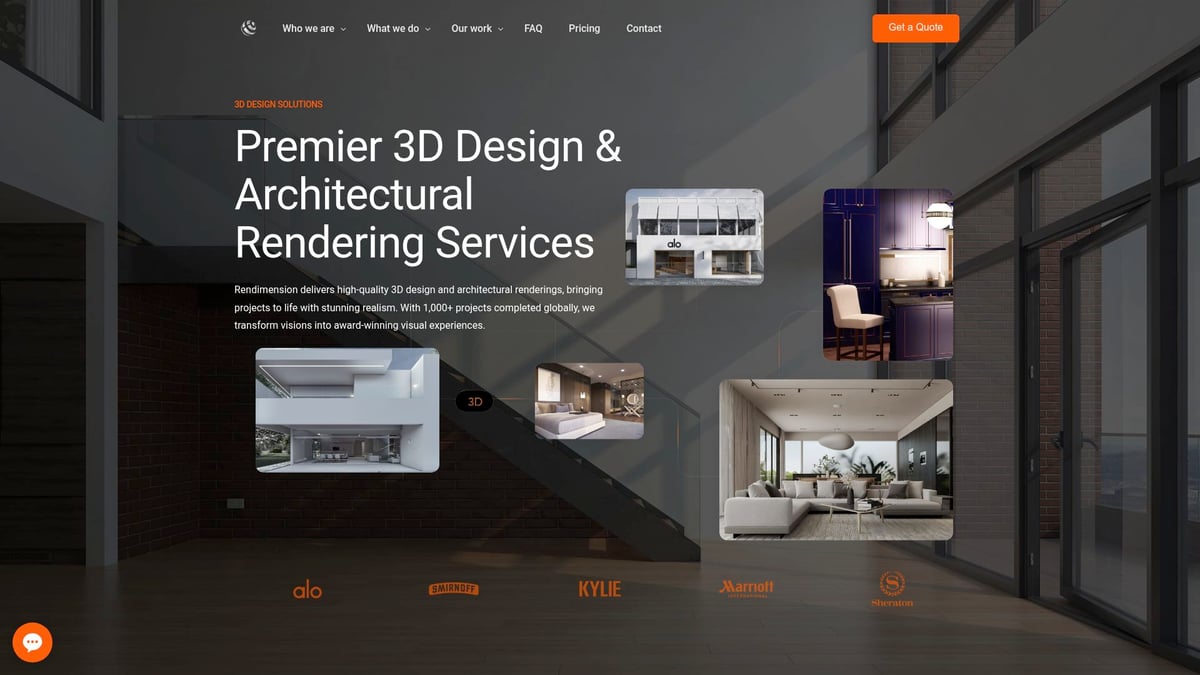
With over 1,000 global projects and multiple awards, Rendimension consistently meets diverse visualization needs. Clients benefit from unlimited revisions, cutting-edge technology, and collaborative project management.
To explore their portfolio or request a quote, visit their website. Rendimension’s multi-format delivery and reliable communication make them a top choice for businesses seeking standout rendering services.
Step-by-Step Workflow: From Concept to Final Render
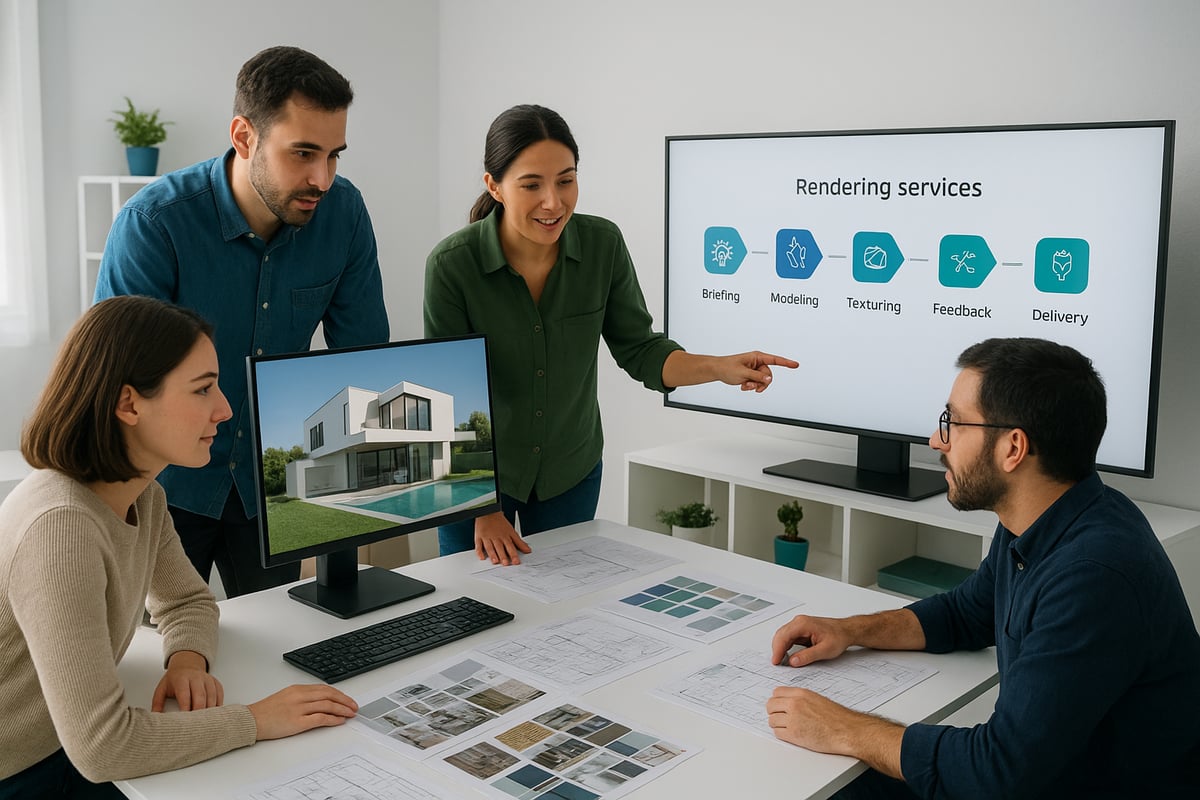
Navigating the rendering services workflow requires a clear roadmap from start to finish. Understanding each step ensures every project runs smoothly, from the first conversation to the final delivery. Let’s break down the process so you can maximize the value of rendering services for your next project.
Step 1: Project Briefing and Requirement Gathering
A strong start is essential in rendering services. Begin with a detailed project brief. Gather all reference materials, such as architectural plans, sketches, photos, and style guides. The more context you provide, the better the results.
Kickoff meetings between clients and providers set expectations. Discuss design intent, target audience, and deliverable formats. Clarity here prevents costly revisions later. If you’re new to the field, learning the What is 3D Rendering basics ensures you ask the right questions.
A well-organized brief streamlines communication and builds trust, laying the foundation for the rendering services process.
Step 2: 3D Modeling and Scene Setup
With requirements clear, the next step in rendering services is 3D modeling. Providers transform CAD files, sketches, or photographs into accurate digital models. Precision is vital, as every detail—dimensions, proportions, and spatial relationships—affects realism.
Scene setup involves positioning models, defining camera angles, and creating the environment. Scale and accuracy are non-negotiable at this stage. The right setup ensures the final images reflect the project’s vision.
Collaboration between teams accelerates progress, especially when using shared platforms for real-time updates.
Step 3: Material Selection, Lighting, and Texturing
Now, the rendering services provider chooses materials, applies textures, and designs lighting. Material selection brings surfaces to life—glass, wood, metal, or fabric—all need realistic representation.
Lighting sets the mood. Daylight, ambient, and artificial sources each affect how spaces feel. Texturing adds depth, simulating real-world imperfections or patterns. The interplay of these elements is what makes visualizations compelling.
Test renders help adjust settings, ensuring the final look aligns with the client’s expectations.
Step 4: Draft Rendering and Client Feedback
At this point in the rendering services workflow, initial drafts are produced. These previews allow clients to review progress before full production. Feedback is vital—notes on colors, angles, or specific features are gathered.
Most projects involve two to three rounds of revisions. Timely feedback reduces delays and keeps the project on track. Providers use annotated images and project management tools for efficient communication.
Structured feedback loops ensure the end result matches the client’s goals and vision.
Step 5: Final Rendering and Post-Production
After revisions, high-resolution final renders are generated. This stage in rendering services focuses on delivering polished visuals. Color correction, contrast adjustments, and subtle enhancements are applied using software like Photoshop or After Effects.
Post-production adds finishing touches—people, landscaping, or branding elements—to make the scene vibrant and relatable. Every detail is reviewed for consistency and quality.
A thorough post-production process distinguishes average renders from award-winning work.
Step 6: Delivery and File Management
The last step in rendering services is delivering the final files. Providers supply images, animations, or VR content in requested formats, ensuring compatibility with marketing or presentation needs.
Secure file transfer and organized archiving are best practices. Proper file management supports future revisions or reuse, saving time and resources. Providers often include backup options and clear documentation for clients.
A seamless handover marks the successful completion of the rendering services journey.
Cost Management and ROI: Maximizing Your Investment
Effectively managing costs in rendering services is crucial for ensuring your investment delivers measurable value. With the industry expanding rapidly, decision-makers must understand what drives pricing, how to optimize budgets, and how to maximize returns. The following strategies will help you navigate cost considerations and achieve better results from your rendering services projects.
Understanding Cost Drivers in Rendering Projects
The cost of rendering services depends on several key factors. Project complexity, image resolution, turnaround time, and the number of revision cycles all play a significant role. For example, a basic static render is usually more affordable than a detailed animated walkthrough or a photorealistic VR experience.
| Cost Driver | Impact on Price | Example |
|---|---|---|
| Complexity | High | Multiple design elements |
| Resolution | Medium | 4K vs HD output |
| Turnaround Time | High | Rush orders |
| Revisions | Medium | Extra feedback rounds |
Cloud-based solutions are also influencing cost efficiency. According to the Cloud Rendering Software Market Analysis, cloud platforms enable scalable performance while controlling expenses, making them an attractive option for many businesses seeking rendering services.
Budgeting Strategies and Negotiating with Providers
Setting a clear budget for rendering services starts with understanding project requirements and aligning expectations. Begin by requesting detailed quotes, specifying deliverables, and clarifying the scope. Providers often offer bundled packages or discounts for multiple images or animations.
Consider these budgeting tips:
- Bundle services for volume discounts
- Request itemized pricing to track costs
- Plan for two to three rounds of revisions
Negotiating with providers can help you secure better terms and avoid unnecessary expenses. Transparency on both sides ensures your rendering services investment remains efficient.
Measuring ROI: Impact on Sales, Approvals, and Marketing
Measuring the return on investment for rendering services means tracking tangible results. Projects that leverage high-quality visualizations often see faster client approvals and increased marketing engagement. Industry surveys show that using 3D renderings can speed up project approvals by 30 percent.
For real estate and product launches, rendering services directly contribute to increased pre-sales and higher conversion rates. Tracking metrics like sales velocity, lead generation, and stakeholder feedback will help you evaluate the effectiveness of your visual assets and justify future investments.
Avoiding Common Pitfalls and Hidden Costs
To protect your budget, it is vital to identify and prevent common issues in rendering services projects. Scope creep, unclear communication, and unanticipated revision fees can inflate costs unexpectedly.
Use this checklist before signing a contract:
- Are deliverables and milestones clearly defined?
- Is the revision policy transparent?
- Are all file formats and licensing terms specified?
- Is the payment schedule aligned to project phases?
By following these steps, you can minimize risks and ensure your rendering services investment delivers strong results.
The Future of Rendering Services: Trends to Watch in 2026
The world of rendering services is rapidly transforming as we approach 2026. Emerging technologies, shifting client demands, and a heightened focus on sustainability are paving the way for new industry standards. Understanding these trends will help you stay ahead, maximize project outcomes, and future-proof your workflow.
AI and Automation in Rendering Workflows
AI is fundamentally changing how rendering services are delivered. Intelligent algorithms now automate complex modeling, speed up texturing, and optimize rendering times. These advancements enable teams to deliver projects faster without sacrificing quality.
For example, neural rendering and AI upscaling tools can refine visual details in seconds. This revolution is making workflows more efficient and cost-effective. According to AI-Powered Rendering Innovations, AI-driven solutions are expected to become a core feature of rendering services, bringing real-time scene adjustments and predictive design capabilities to studios worldwide.
Cloud Rendering and Remote Collaboration
Cloud technology is elevating rendering services by enabling remote collaboration and scalable computing power. Teams can now access high-performance resources on demand, which shortens project timelines and supports global talent.
A recent survey shows that 60 percent of firms plan to adopt cloud rendering by 2026. This shift means clients and providers can share files, review drafts, and give feedback in real time, regardless of location. As rendering services become more cloud-centric, project management and client communication are set to become more seamless and secure.
Hyper-Realism, Interactivity, and XR Integration
Rendering services are pushing the boundaries with hyper-realistic visuals and interactive experiences. Real-time ray tracing, advanced shading, and extended reality (XR) are raising the bar for client presentations. These tools create immersive environments that help stakeholders visualize projects more clearly.
Innovations highlighted in NVIDIA’s Neural Rendering Developments show how neural rendering is transforming both game development and architectural visualization. As clients increasingly expect interactive 3D walkthroughs and instant feedback, rendering services will need to offer these advanced capabilities.
Sustainability and Eco-Friendly Rendering
Sustainability is now a top priority for rendering services. Firms are adopting green computing practices and choosing energy-efficient rendering farms to reduce their carbon footprint. Optimized workflows and cloud-based solutions also help minimize resource consumption.
As clients become more environmentally conscious, eco-friendly rendering services will stand out in the market. By embracing sustainable practices, studios not only meet regulatory requirements but also demonstrate social responsibility, which can be a key differentiator in a competitive landscape.
