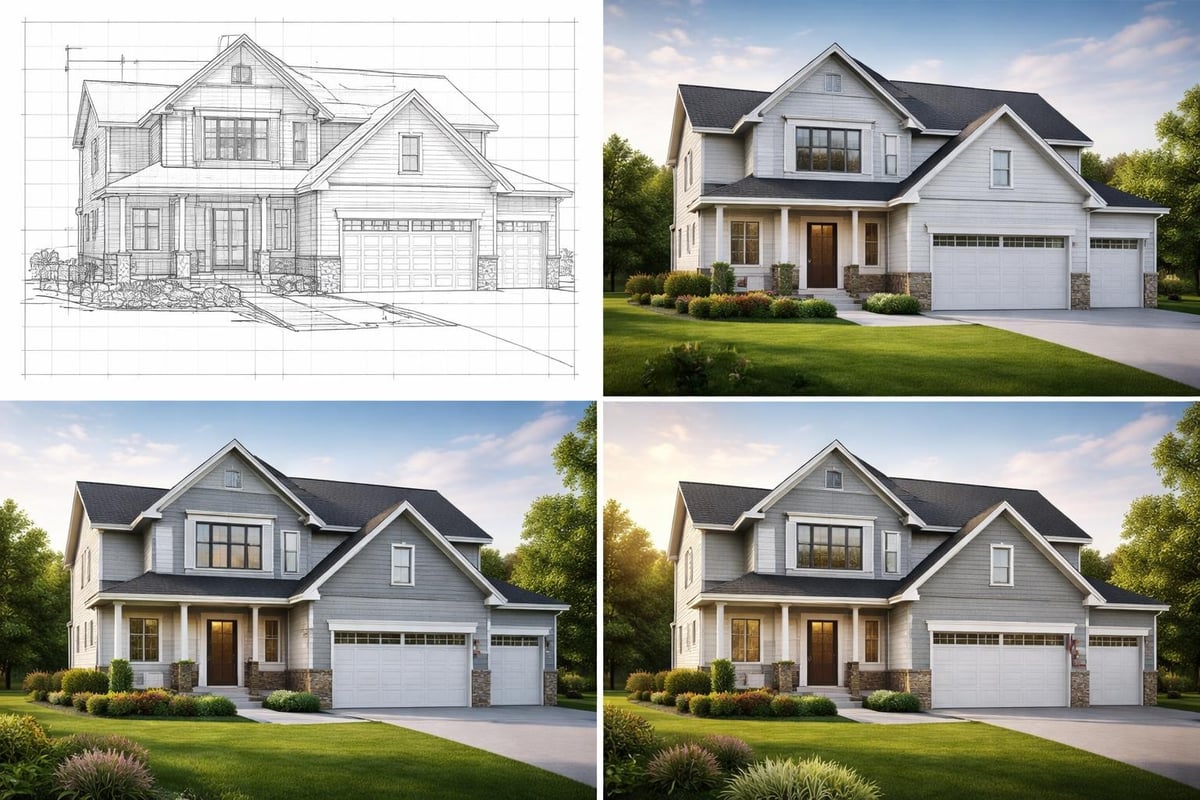
The architectural and real estate industries have undergone a dramatic transformation with the widespread adoption of digital visualization technologies. Today, 3d house rendering stands as an essential tool for architects, developers, builders, and homeowners who need to communicate design concepts with clarity and precision. These photorealistic digital representations replace traditional sketches and physical models, offering stakeholders the ability to visualize completed projects before construction begins. Whether you're designing a custom residential property, planning a large-scale housing development, or marketing properties to potential buyers, understanding the capabilities and applications of modern rendering technology will give you a competitive advantage in an increasingly visual marketplace.
The Evolution of Architectural Visualization Technology
The journey from hand-drawn perspectives to sophisticated digital renderings has revolutionized how professionals communicate spatial concepts. Early computer-aided design systems introduced basic three-dimensional modeling in the 1980s, but the images produced were rudimentary and often unconvincing.
Modern 3d house rendering leverages powerful graphics processing units, advanced lighting algorithms, and physically-based materials to create images indistinguishable from photographs. Researchers have developed innovative approaches like HouseCrafter, which automatically generates complete 3D indoor scenes from floorplans, demonstrating how artificial intelligence continues to streamline the rendering workflow.
Key Technological Advancements
The rendering industry has experienced several breakthrough innovations:
- Real-time ray tracing enables interactive visualization with photorealistic lighting
- Cloud-based rendering farms reduce processing time from days to hours
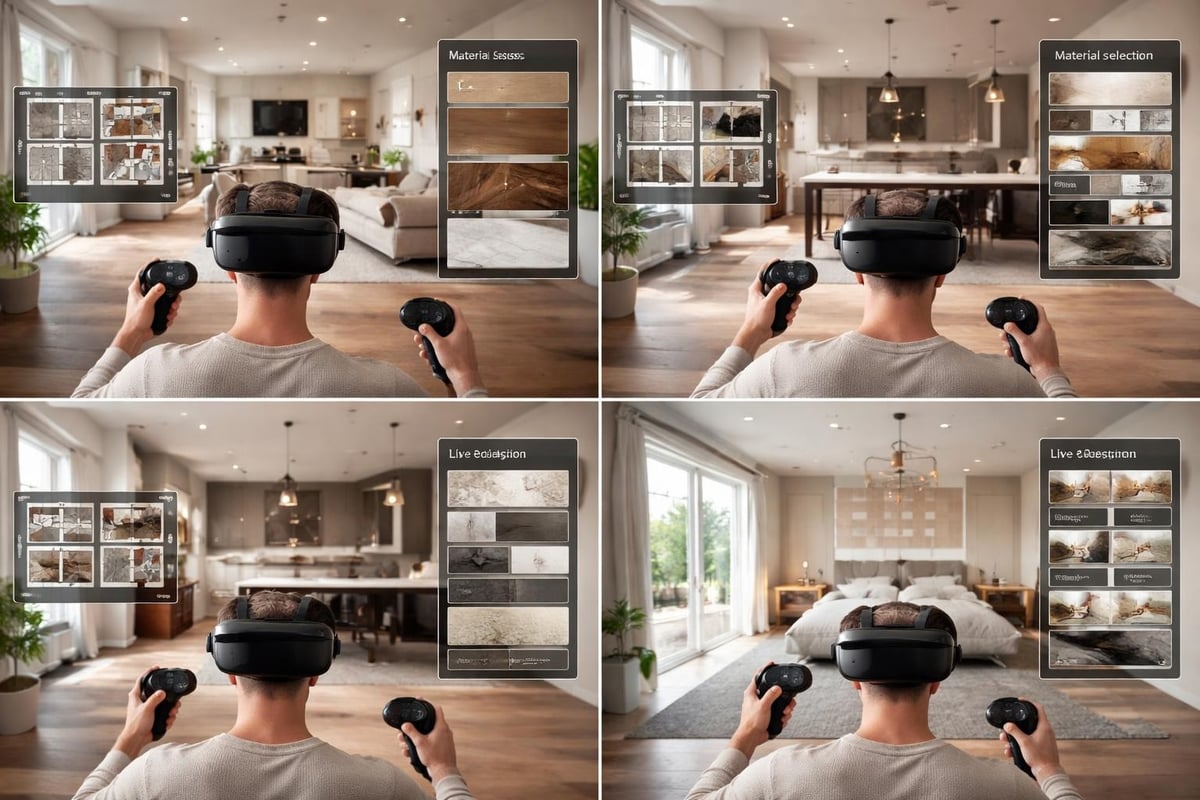
- Virtual reality integration allows clients to experience spaces before construction
- AI-assisted texture generation creates realistic material appearances automatically
- Automated scene composition speeds up the initial setup process
These capabilities have made professional-grade visualizations accessible to projects of all sizes and budgets.
Applications Across the Construction and Real Estate Industries
Professional rendering services deliver value throughout the entire project lifecycle, from initial concept development to final marketing materials.
Pre-Construction Planning and Approvals
Architects use detailed visualizations to secure planning permissions and communicate design intent to approval boards. High-quality renderings demonstrate how proposed structures will integrate with existing neighborhoods, addressing concerns about visual impact before resources are committed to construction. Future-proofing home designs through early visualization allows for modifications that would be prohibitively expensive to implement after construction begins.
Client Presentations and Design Iterations
The ability to present multiple design options helps clients make informed decisions about:
- Exterior finishes and color schemes
- Window placement and architectural details
- Landscaping and outdoor amenities
- Interior layout configurations
- Material selections for flooring, countertops, and fixtures
This iterative process ensures client satisfaction while minimizing costly change orders during construction phases.
Marketing and Sales Acceleration
Real estate developers leverage 3d house rendering to begin marketing properties months or years before completion. Pre-construction sales rely heavily on compelling visualizations that help buyers envision themselves in future spaces.
| Marketing Application | Business Impact | Timeline Advantage |
|---|---|---|
| Property websites | 40% higher engagement | 12-18 months pre-completion |
| Sales brochures | 35% faster decision-making | 6-12 months pre-completion |
| Social media campaigns | 60% more shares | Ongoing throughout project |
| Virtual tours | 50% reduction in site visits | Available immediately |
These materials generate buyer interest and secure deposits before construction crews break ground, improving project cash flow and reducing financial risk.
Technical Components of Professional Rendering Workflows
Understanding the technical foundation helps stakeholders appreciate the value delivered by professional rendering services and set realistic expectations for project timelines.
Modeling Accuracy and Architectural Detail
The rendering process begins with precise three-dimensional models created from architectural drawings, CAD files, or laser scans of existing structures. Professional modelers ensure accurate dimensions, proper proportions, and realistic architectural details that match construction documents.
Large-scale datasets like 3D-FRONT provide professionally designed layouts and high-quality models that serve as references for creating convincing residential environments. This attention to geometric accuracy ensures that visualizations can serve as reliable planning tools rather than merely decorative images.
Material Libraries and Surface Properties
Realistic 3d house rendering requires extensive libraries of materials with physically accurate properties:
- Diffuse textures define base colors and patterns
- Normal maps create surface detail without additional geometry
- Reflectance values control how materials interact with light
- Displacement maps add three-dimensional surface variation
- Opacity channels enable realistic glass and fabric rendering
Professional rendering studios maintain proprietary material libraries developed over years of projects, ensuring consistency and realism across diverse architectural styles.

Lighting Systems and Environmental Context
Sophisticated lighting separates amateur visualizations from professional work. Rendering artists configure multiple light sources to simulate natural conditions:
- Sun position based on geographic location and time of day
- Sky dome illumination providing ambient environmental light
- Artificial lighting from fixtures specified in architectural plans
- Indirect bounced light that fills shadows naturally
- Atmospheric effects including fog, haze, and volumetric lighting
This comprehensive approach to illumination creates images with the subtle lighting gradients and shadow characteristics found in real-world photography.
Quality Considerations and Project Variables
Not all rendering services deliver equivalent results, and understanding quality factors helps clients make informed purchasing decisions.
Resolution and Output Specifications
Professional projects require high-resolution outputs suitable for various applications:
| Output Type | Typical Resolution | Use Case |
|---|---|---|
| Website thumbnails | 1920 × 1080 px | Online galleries |
| Print brochures | 5000 × 3000 px minimum | Marketing materials |
| Billboard advertising | 10000 × 6000 px or higher | Large-format printing |
| Virtual reality | Dual 4K per eye | Immersive experiences |
Rendering services should deliver files in multiple formats and resolutions to support diverse marketing channels without requiring additional production work.
Artistic Direction and Composition
Technical accuracy alone doesn't create compelling visualizations. Professional rendering incorporates principles of photography and cinematography:
- Camera angle selection that showcases architectural strengths
- Depth of field effects that direct viewer attention
- Color grading that establishes mood and atmosphere
- Environmental storytelling through landscaping and context
- Human scale references including people and vehicles
These artistic decisions transform technical documentation into persuasive marketing assets that emotionally connect with audiences.
Integration with Modern Design and Construction Technologies
Contemporary 3d house rendering doesn't exist in isolation but connects with broader digital workflows transforming the construction industry.
Building Information Modeling Compatibility
Advanced rendering workflows extract data directly from BIM platforms, ensuring visualizations remain synchronized with evolving design documentation. This integration eliminates redundant modeling work and reduces opportunities for discrepancies between construction documents and marketing materials.
Emerging systems demonstrate remarkable capabilities, such as generating 3D house designs from natural language descriptions, suggesting future workflows where clients describe desired features verbally and receive instant visualizations.
Virtual and Augmented Reality Applications
The same three-dimensional models used for static renderings power interactive experiences that provide unprecedented design understanding. Clients wearing VR headsets can walk through unbuilt homes at full scale, experiencing spatial relationships impossible to convey through traditional media.
Augmented reality applications overlay proposed additions onto existing properties, helping renovation clients visualize extensions and modifications in real-world context through smartphone or tablet screens.
Selecting Professional Rendering Services
With numerous providers offering 3d house rendering services, careful evaluation ensures projects receive appropriate quality and support.
Portfolio Assessment and Industry Experience
Review potential partners' previous work across multiple criteria:
- Architectural style diversity demonstrating versatility
- Material realism in wood, stone, metal, and glass
- Lighting quality showing natural and artificial sources
- Compositional sophistication beyond simple elevation views
- Contextual integration with surrounding environments
Leading studios like those featured on platforms connecting clients with top rendering artists maintain extensive portfolios showcasing capabilities across residential, commercial, and mixed-use projects.
Production Timeline and Revision Policies
Establish clear expectations regarding:
- Initial concept delivery timeframes
- Number of included revision rounds
- Additional fees for scope changes
- Rush project availability and pricing
- File delivery formats and resolutions
Transparent communication about processes and timelines prevents misunderstandings that could delay project schedules.
Technical Capabilities and Software Expertise
Professional rendering studios utilize industry-standard software platforms and stay current with emerging technologies. Ask about specific tools and techniques:
- Primary rendering engines (V-Ray, Corona, Unreal Engine)
- Modeling software proficiency (Revit, SketchUp, 3ds Max, Blender)
- Post-production workflows (Photoshop, Lightroom)
- Animation and walkthrough capabilities
- Cloud rendering infrastructure for faster turnaround
Studios with diverse technical capabilities can adapt to project-specific requirements and client preferences more effectively than those limited to single platforms.
Cost Structures and Budget Planning
Investment in professional visualization services varies significantly based on project complexity, output requirements, and timeline constraints.
Pricing Models and Service Tiers
Rendering services typically structure pricing around these factors:
| Cost Factor | Impact Level | Typical Range |
|---|---|---|
| Model complexity | High | Base to 3× base |
| Number of views | Medium | $300-$2000 per view |
| Resolution requirements | Low-Medium | 10-30% premium for print |
| Revision rounds | Medium | $100-$500 per round |
| Rush delivery | High | 50-100% premium |
Understanding these variables helps stakeholders budget appropriately and prioritize essential deliverables when working within constraints.
Return on Investment Calculations
While professional 3d house rendering represents a significant upfront investment, the returns manifest through multiple channels:
- Faster sales cycles reducing carrying costs
- Higher sale prices through superior presentation
- Reduced construction changes from better client understanding
- Marketing asset reusability across multiple campaigns
- Competitive differentiation in crowded markets
Developers report that pre-construction sales enabled by quality visualizations often generate revenue that covers rendering costs many times over while improving overall project economics.
Industry Standards and Quality Benchmarks
The architectural visualization field has matured to establish recognized standards that separate professional work from amateur production.
Photorealism and Technical Accuracy
Professional 3d house rendering achieves photorealistic quality through meticulous attention to details that amateur work overlooks. Physically accurate materials respond to light correctly, perspectives match real camera lenses, and environmental elements like vegetation and sky conditions follow natural patterns.
Studios recognized for producing photorealistic renderings and animations demonstrate the level of quality clients should expect from premium services. These benchmarks include proper color management, realistic depth of field, and subtle imperfections that make digital images feel authentic.
Delivery Specifications and File Management
Professional services provide comprehensive deliverables beyond simple JPEG images:
- Layered source files enabling future modifications
- Alpha channels for compositing flexibility
- Multiple file formats (JPEG, TIFF, PNG, PSD)
- Organized asset libraries for ongoing projects
- Backup and archival systems protecting client investments
This thorough approach ensures clients can leverage rendering assets throughout extended project lifecycles and repurpose content for evolving marketing needs.
Future Trends Shaping Rendering Technology
The visualization industry continues evolving rapidly, with emerging technologies promising even greater capabilities and accessibility in coming years.
Advanced simulation environments like CHALET demonstrate platforms for training autonomous agents in realistic 3D house environments, suggesting future applications where AI assists in design optimization and space planning.
Machine learning algorithms increasingly automate time-consuming aspects of rendering workflows, from initial scene setup to final image enhancement. These tools democratize access to professional-quality visualization while allowing human artists to focus on creative direction and client collaboration.
Real-time rendering engines originally developed for gaming now power architectural visualization, enabling instant feedback during design sessions. Clients manipulate materials, lighting, and layouts during presentations, seeing results immediately rather than waiting days for revised static images.
Sustainability Visualization and Performance Modeling
Growing emphasis on environmental performance drives demand for visualizations that communicate sustainability features effectively. Future rendering workflows will integrate energy modeling data, displaying solar panel efficiency, passive heating and cooling strategies, and sustainable material choices through interactive visualizations.
These enhanced capabilities position 3d house rendering as an essential tool for green building certification and marketing environmentally conscious developments to increasingly sustainability-focused buyers.
Professional architectural visualization has become indispensable for successfully navigating modern construction and real estate markets. Quality 3d house rendering accelerates approvals, enhances client communication, and generates pre-construction sales that improve project economics across residential developments of all scales. Rendimension specializes in delivering award-winning visualizations that transform architectural visions into compelling photorealistic experiences, combining technical precision with artistic excellence to help your projects stand out in competitive markets. Whether you're designing custom homes, marketing residential developments, or planning community-scale projects, our team brings your concepts to life with stunning realism that drives results.


One thought on “3D House Rendering: Complete Guide for 2026”