Picture a world where your designs leap off the screen, capturing attention long before the first foundation is poured. In 2026, mastering renders cgi unlocks the power to dominate digital visualization, setting new benchmarks across architecture, product design, and creative industries.
This guide unpacks the latest trends, essential tools, and step-by-step workflows to help you harness the full potential of renders cgi for maximum impact. Explore CGI fundamentals, emerging technologies, and practical strategies to elevate your visualization skills, tell compelling stories, and stay ahead of the curve.
The Evolution of CGI Renders: From Concept to 2026
The Rise of CGI in Digital Visualization
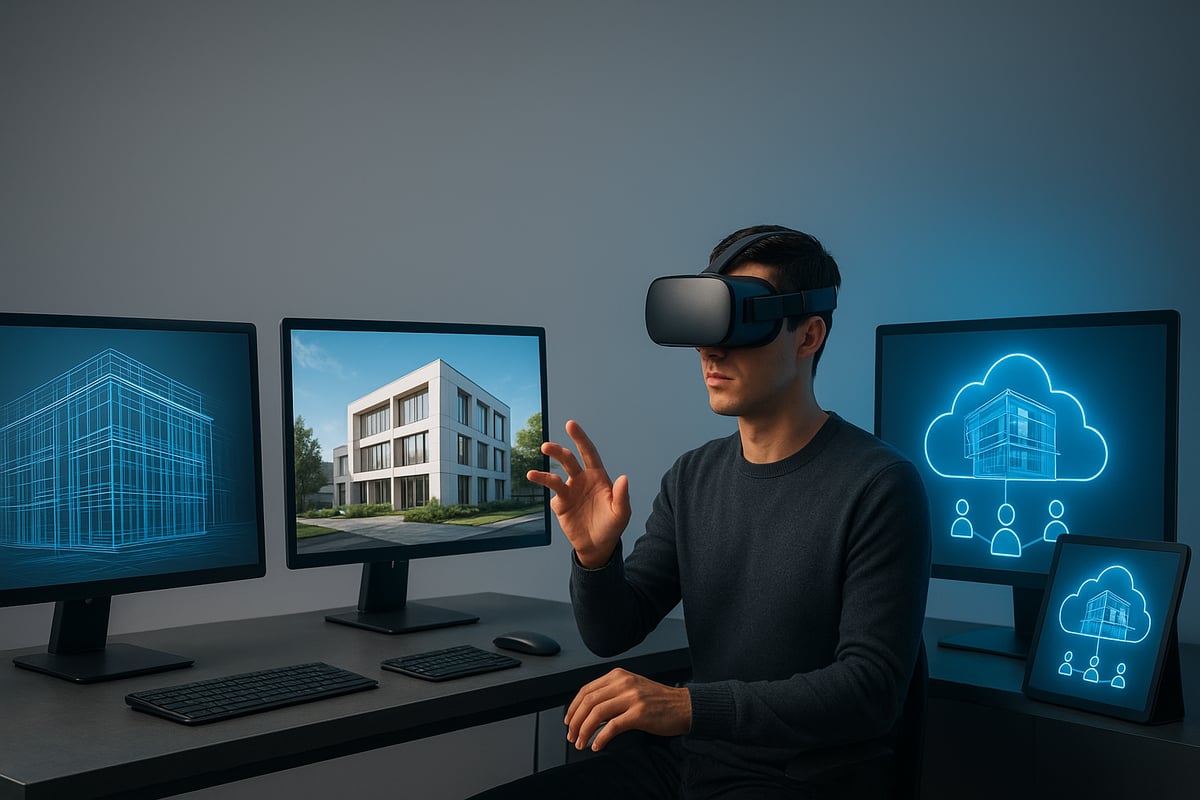
The journey of renders cgi began with simple wireframes and basic shading, transforming how ideas were communicated in architecture and media. Over the years, key milestones such as the introduction of ray tracing, physically based rendering, and GPU acceleration have pushed the boundaries of what is visually possible.
Real-time rendering and AI-driven enhancements now enable creators to iterate faster and achieve lifelike results with less manual effort. In 2026, renders cgi have reached hyper-realistic quality, support real-time collaboration, and rely on cloud-based platforms for unprecedented speed and scalability. The 3D visualization market is booming, with projections estimating it will surpass $7 billion by 2026, according to 3D Rendering Market Growth Projections.
Consider how architectural renders cgi have evolved from static images to interactive VR walkthroughs, allowing clients to experience spaces before they are built. Today, renders cgi are essential for clear design communication, engaging marketing, and winning stakeholder approval.
Core Principles of Modern CGI Renders
Modern renders cgi balance photorealism and stylization, letting artists choose the best approach for each project. Photorealism focuses on replicating real-world materials, accurate lighting, and detailed textures to immerse viewers, while stylization can highlight specific design concepts or evoke emotion.
Lighting, texture, and material accuracy are crucial for effective renders cgi. Integration with BIM and parametric design ensures that visualizations are not only beautiful but also accurate representations of data-rich models. For example, urban planners use renders cgi to simulate environmental impacts, helping stakeholders make informed decisions.
A notable shift is occurring toward interactive and user-driven visualization experiences. Rather than passive viewing, clients now expect to explore and engage with renders cgi, deepening their understanding and connection to the project.
Essential Tools and Technologies for CGI Rendering in 2026
In 2026, selecting the right tools and technologies is essential for anyone aiming to master renders cgi. The rapid evolution of software, hardware, and immersive platforms is redefining what’s possible in digital visualization. Understanding the landscape will set you apart as the demand for stunning and efficient renders cgi continues to grow.
Industry-Leading Software and Platforms
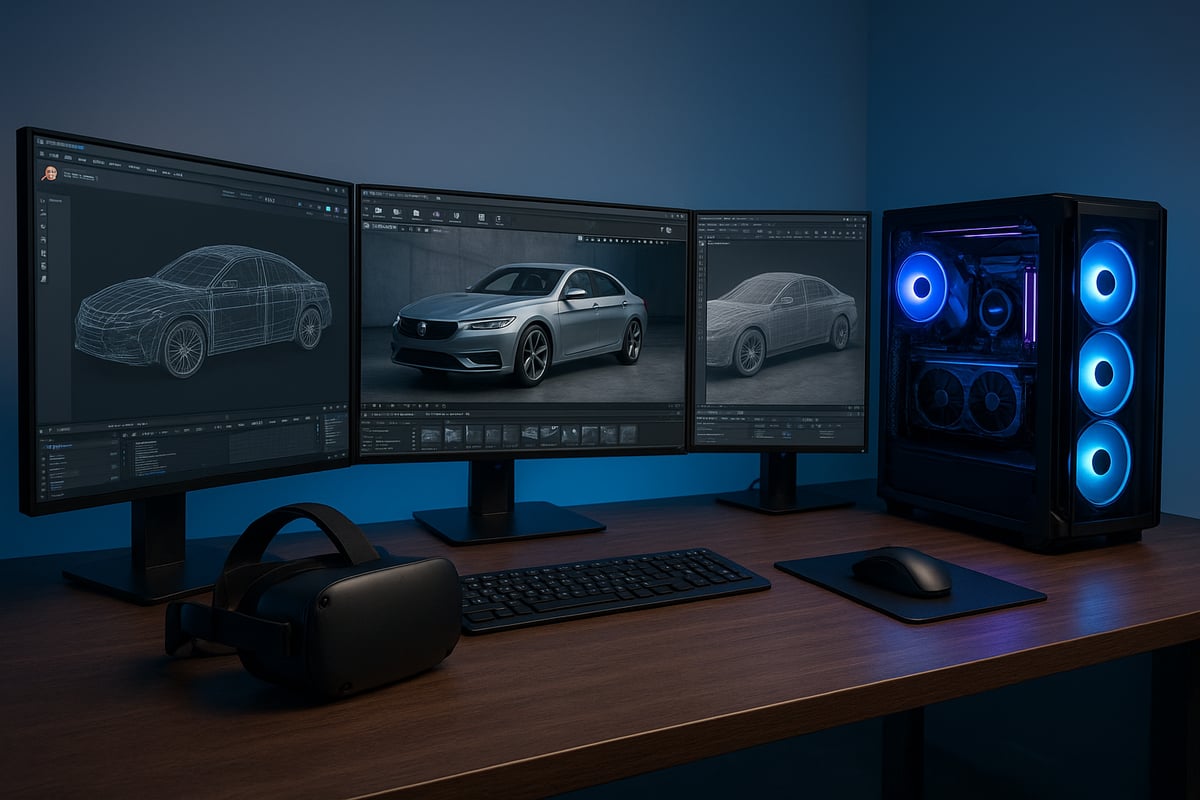
The software ecosystem for renders cgi has never been more diverse or powerful. In 2026, industry professionals rely on a mix of established and emerging tools to achieve both speed and quality. Popular platforms like 3ds Max, Blender, Cinema 4D, and Unreal Engine continue to dominate, each offering specialized features for different needs. Blender’s open-source flexibility, for example, makes it a favorite for rapid prototyping, while Unreal Engine 5’s real-time rendering capabilities push the boundaries of interactivity and realism.
AI-powered rendering is transforming the workflow. Automated denoising, intelligent upscaling, and material generators allow artists to focus more on creativity and less on technical hurdles. One standout application is using AI to convert basic sketches into detailed 3D models, dramatically reducing turnaround time. As cloud-based software adoption rises—up by 35% year-over-year—collaborative and remote workflows are now standard.
For those seeking a solid grounding in the software fundamentals behind renders cgi, exploring 3D rendering fundamentals can provide valuable context and help you select the best platform for your project.
Hardware Innovations and Workflow Optimization
Hardware advancements are propelling renders cgi workflows to new heights. Modern GPUs support advanced ray tracing, larger VRAM capacities, and even multi-GPU configurations, all of which are crucial for rendering ultra-high-resolution scenes and VR-ready content. Studios now require systems capable of handling 8K renders, real-time ray tracing, and complex particle simulations without lag.
Remote collaboration is another game-changer. Cloud workstations and distributed rendering farms let teams work together globally, leveraging shared GPU resources for maximum output. Many studios have cut render times in half by embracing cloud-based GPU services, making tight project deadlines more manageable.
Choosing the right combination of hardware and software is critical. A well-optimized stack ensures renders cgi are not only visually stunning but also delivered efficiently. This decision affects everything from creative flexibility to project profitability, so it’s worth investing time in evaluating your options.
Integrating VR, AR, and XR into CGI Workflows
Immersive technologies are now integral to renders cgi. VR, AR, and XR each offer unique strengths for digital visualization, but they share a common purpose: making designs more interactive and engaging. VR provides fully immersive walkthroughs, perfect for architecture and real estate. AR overlays digital elements onto the real world, ideal for product demos or urban planning. XR blends both approaches, opening new possibilities for collaborative design and client presentations.
Tools like Oculus, HoloLens, and advanced web-based platforms are making these experiences accessible and scalable. A leading example is real estate firms using VR walkthroughs to boost off-plan sales, offering clients a true sense of space before construction begins.
Incorporating XR into renders cgi workflows differentiates your presentations and strengthens design validation. As clients expect more interactive and emotionally resonant experiences, investing in these technologies will ensure your visualizations remain at the cutting edge.
Step-by-Step CGI Rendering Workflow: From Idea to Final Visualization
Embarking on a renders cgi project means navigating a precise, creative workflow. Each step, from initial sketches to the final immersive visualization, plays a distinct role in transforming ideas into captivating digital experiences. Let’s break down this process into actionable stages designed for efficiency and stunning results.
Step 1: Concept Development and Storyboarding
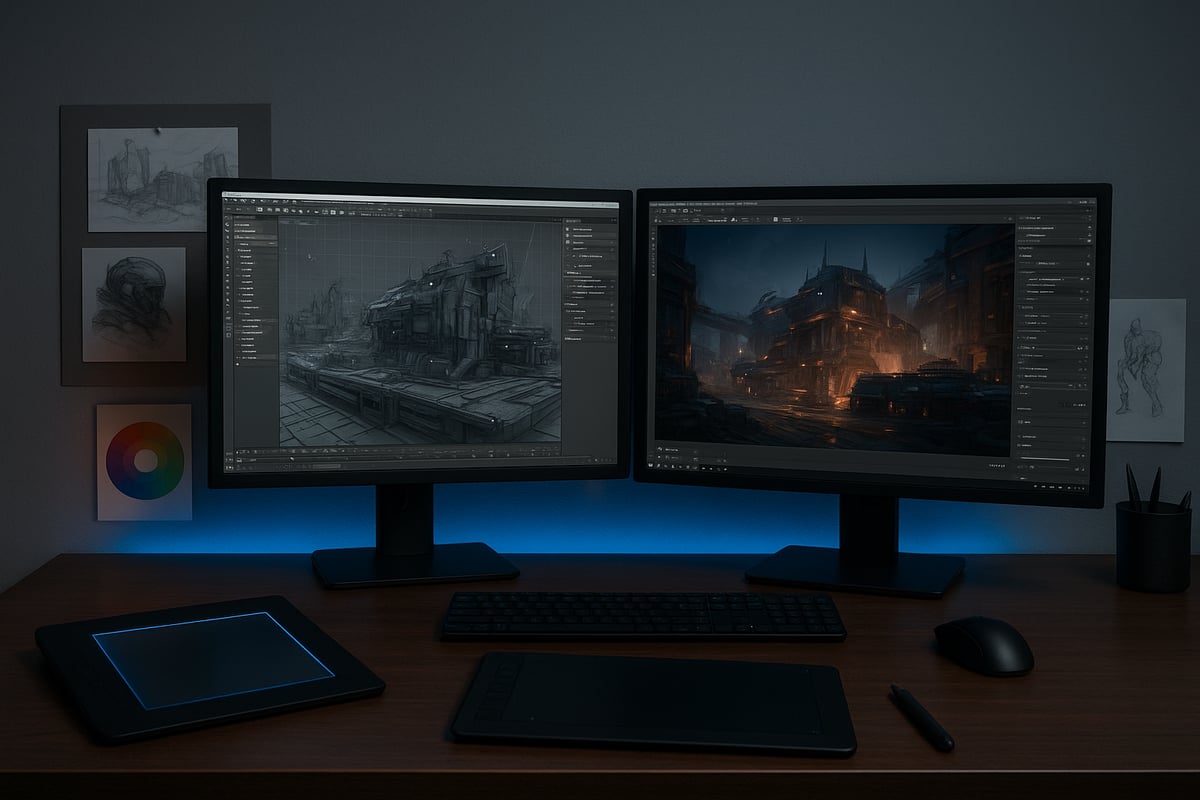
Every successful renders cgi journey begins with a clear concept. Start by gathering detailed project requirements and collecting visual references. These can include photos, sketches, or inspiration from similar projects.
Next, sketch initial concepts to explore ideas and define visual goals. Mood boards are invaluable here, helping communicate the desired look and feel to your team or client. A narrative outline adds context, ensuring your CGI tells the right story.
For example, when storyboarding a residential project, arrange scenes to highlight key spaces and user experiences. This structured approach keeps the renders cgi process focused, aligning creative vision with client expectations.
Step 2: 3D Modeling and Scene Building
With a solid concept, you move to the 3D modeling phase. Selecting the right software is crucial, whether you use Blender, 3ds Max, or other platforms. Build accurate geometry tailored to your project's needs, whether it's architectural, product, or character models.
Efficiency is key in renders cgi. Use asset libraries and kitbashing techniques to speed up scene assembly. Many studios now rely on reusable assets, with 60 percent reporting faster workflows as a result.
For a detailed walkthrough of this process, explore Architectural visualization workflows, which outlines each modeling step in depth. Proper setup at this stage ensures the rest of your renders cgi pipeline flows smoothly.
Step 3: Texturing, Materials, and Lighting
Texturing and lighting breathe life into your renders cgi. Begin by applying PBR textures, which replicate real-world surfaces with impressive accuracy. Create materials for metals, glass, fabrics, and organic elements, matching your project's style.
Lighting setup is just as important. Use HDRI maps to simulate natural environments, or add artificial lights for dramatic effects. The interplay of light and texture determines the realism and mood of your final renders cgi.
Experiment with different lighting scenarios to find the best fit for your narrative. Even minor adjustments can transform the atmosphere and impact of your visualization.
Step 4: Camera Setup and Scene Composition
Once your scene is built and textured, focus on camera setup. Choose focal lengths and angles that support storytelling, guiding viewers’ attention to key elements. Apply the rule of thirds, leading lines, and focal points to create visually compelling renders cgi.
Depth of field and lens effects add realism, mimicking real-world photography. Effective composition is more than technical detail, it heightens emotion and narrative, making each renders cgi frame memorable.
Consider testing multiple camera setups to discover the most impactful perspectives for your project goals.
Step 5: Rendering and Post-Processing
Rendering is where your hard work materializes. Select a render engine such as V-Ray, Corona, Octane, or Arnold based on your project’s requirements. Optimize render settings to balance speed and quality for your renders cgi.
Once rendered, move to post-processing in Photoshop or After Effects. Here, color grading, compositing, and subtle effects like atmospheric haze enhance the visual storytelling. For instance, adding fog or glow can elevate the mood of your renders cgi.
Always review renders at full resolution to ensure details and colors are accurate before final delivery.
Step 6: Deliverables and Client Presentation
The final step in the renders cgi workflow is preparing deliverables. Export high-resolution images, animations, or VR walkthroughs based on client needs. Interactive presentations, such as 360-degree panoramas or web viewers, can further engage stakeholders.
Implement a clear versioning system to track revisions and feedback. Transparent workflows make it easier for clients to review and approve renders cgi, reducing delays and boosting project success.
A well-organized delivery process ensures your creative vision is communicated, understood, and celebrated by all parties.
Key Applications of CGI Renders Across Industries
The impact of renders cgi now spans nearly every creative and technical field. These digital visualizations help bridge the gap between concept and reality, making complex ideas accessible and persuasive. Let us examine how renders cgi is revolutionizing key industries.
Architecture and Real Estate
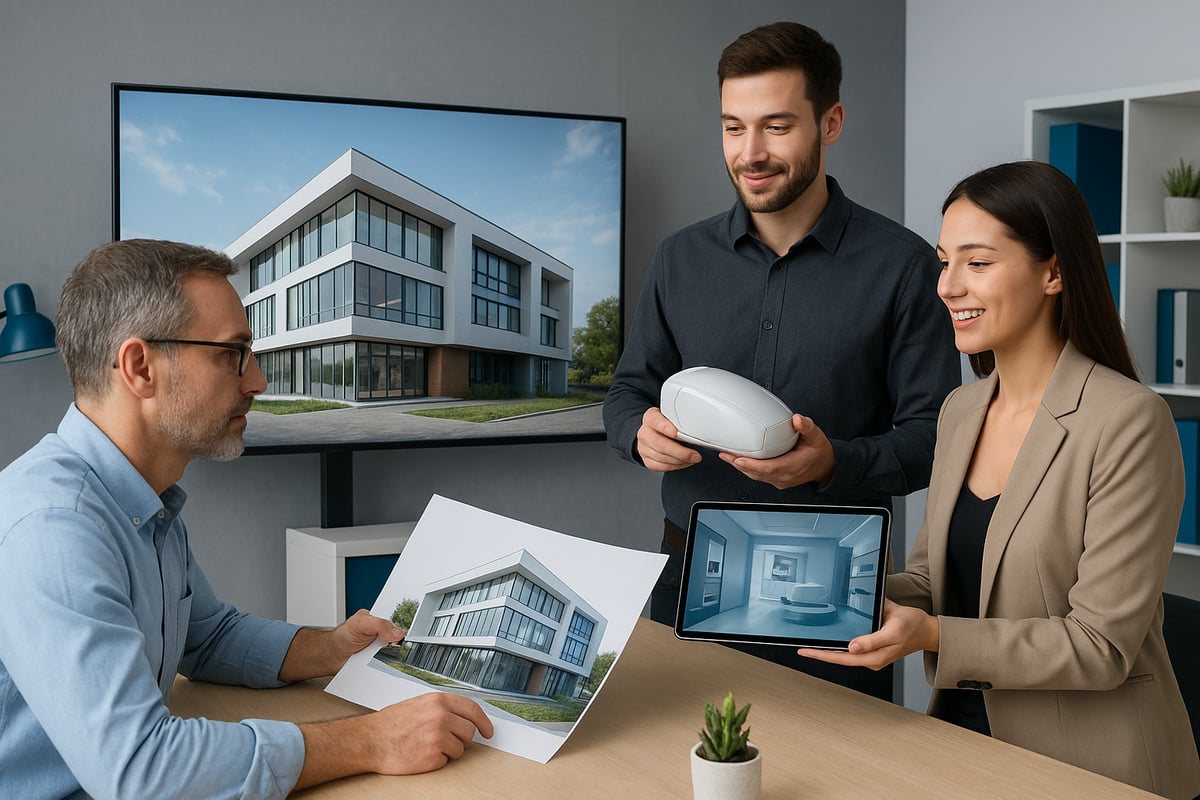
In architecture and real estate, renders cgi has transformed traditional design communication. Teams now present lifelike visuals of residential towers, commercial spaces, and city plans long before construction begins. These visuals create instant emotional connections and help clients envision the final result.
Photorealistic renders cgi is often used to secure planning approvals, attract investors, and drive pre-sales. For example, developers can showcase immersive virtual walkthroughs of future properties, offering a compelling experience that static floor plans cannot match. Projects featuring high quality visuals sell 30 percent faster on average, demonstrating the power of visualization.
To achieve such realism, many firms rely on photorealistic rendering techniques that combine advanced lighting, material accuracy, and scene composition. This approach not only enhances credibility but also streamlines decision making for stakeholders.
Product Design and Manufacturing
Product designers and manufacturers leverage renders cgi to bring new concepts to life before a single prototype is built. Realistic digital models allow teams to evaluate aesthetics, ergonomics, and functionality from every angle.
In marketing, renders cgi enables brands to launch products with high impact visuals for e-commerce, catalogs, and advertisements. Consumer electronics companies often use CGI teasers to generate buzz and collect early feedback, reducing time to market. This versatility makes renders cgi a cornerstone of modern product development.
Reusable asset libraries and parametric modeling further accelerate workflows, letting designers iterate quickly while maintaining consistency across product lines.
Entertainment, Gaming, and Media
The entertainment industry relies heavily on renders cgi to create immersive worlds, stunning visual effects, and lifelike characters. In film and television, CGI is used for everything from set extensions to digital doubles, shaping the viewer's experience in subtle and dramatic ways.
Game developers use renders cgi for both real time assets and cinematic trailers, raising the bar for interactivity and storytelling. The flexibility of these tools allows creative teams to experiment and push visual boundaries, ensuring each project stands out in a crowded market.
CGI has become the backbone of modern entertainment content, enabling new genres and storytelling possibilities that were once impossible.
Marketing, Advertising, and Virtual Experiences
In marketing and advertising, renders cgi unlocks the power of interactive and personalized content. Brands can create virtual showrooms, product configurators, and immersive ads that engage customers on a deeper level.
Automotive companies, for instance, use renders cgi to stage global vehicle launches, offering virtual test drives and 360 degree tours. This approach not only captures attention but also builds trust and excitement around new products.
As virtual and augmented reality become more mainstream, renders cgi is now essential for crafting memorable digital experiences. The ability to visualize concepts in multiple formats gives marketers a significant advantage in capturing and retaining audience interest.
Mastering Storytelling and Emotional Impact in CGI Visualization
Captivating audiences with renders cgi goes far beyond technical accuracy. It requires weaving a narrative that brings designs to life, evokes emotion, and clarifies intent. In today's digital landscape, storytelling is the bridge between creative vision and memorable impact.
Visual Storytelling Techniques for CGI
Renders cgi become truly effective when they tell a story. Narrative-driven visuals set context, helping viewers imagine themselves within the space or interacting with a product. Integrating people, props, or dynamic environmental cues, like sunlight shifting or seasonal foliage, enhances realism and relatability.
For example, an architectural scene can show a family gathering in a sunlit kitchen during autumn, instantly communicating warmth and functionality. Including user interactions, such as open doors or moving vehicles, adds a layer of life to static images.
Industry data shows that visual storytelling increases client engagement by 50 percent. Staying ahead with narrative techniques is essential, as discussed in the Future of 3D rendering. These trends ensure renders cgi remain immersive and compelling.
Emotional Triggers and User Experience
Color, lighting, and composition are powerful tools in renders cgi for setting mood and guiding emotional response. Warm tones and soft light can create a sense of comfort, while bold contrasts and cool hues evoke modernity or excitement.
Designers increasingly use CGI to highlight sustainability or community impact, such as integrating green roofs or energy-efficient features. These visual cues not only inform but also inspire, making the design resonate on a personal level.
When renders cgi prioritize emotional connection, projects see higher approval rates and lasting impressions. Thoughtful user experience design transforms technical visuals into memorable stories that clients remember and value.
Communicating Design Intent and Value
Bridging the gap between technical drawings and client understanding is a core strength of renders cgi. Visualizing “before and after” scenarios helps clients grasp the impact of renovations or urban transformations.
For instance, urban planners use CGI to demonstrate community benefits, like new green spaces or improved traffic flow, in a way that static plans cannot. This approach clarifies intent, builds trust, and accelerates decision-making.
By translating complex concepts into clear, emotional visuals, renders cgi empower clients to make informed choices, ensuring projects move forward with confidence and shared vision.
Future Trends in CGI Rendering and Digital Visualization
The future of renders cgi is defined by rapid technological advances and evolving industry demands. As 2026 approaches, professionals must stay ahead of key trends to maintain a competitive edge and deliver exceptional visual experiences.
AI, Automation, and Generative Design
AI is transforming how renders cgi are produced, with automation streamlining modeling, texturing, and scene setup. Generative design uses algorithms to create optimized structures, adapting instantly to changing project parameters. New research, such as the Coarse-to-Real: Generative Rendering Research, demonstrates how AI can convert basic 3D simulations into highly realistic visualizations, especially for complex urban environments.
These tools provide real-time feedback and error detection, letting artists focus more on creativity and less on repetitive work. As AI continues to evolve, expect renders cgi workflows to become faster, smarter, and more adaptive to client needs.
Real-Time Collaboration and Cloud Rendering
The shift to cloud-based platforms is accelerating, enabling teams to work together on renders cgi projects from anywhere in the world. Multi-user collaboration tools let architects, designers, and stakeholders edit scenes simultaneously, reducing project timelines. According to the Visualization and 3D Rendering Software Market Analysis, widespread adoption of these platforms is driving significant market growth and changing how visualization teams operate.
Cloud rendering offers scalability and speed, allowing studios to render complex scenes without investing in expensive local hardware. By 2026, most renders cgi workflows will leverage cloud infrastructure for efficiency and global reach.
Hyper-Realism, XR, and Beyond
Photorealism remains the gold standard in renders cgi, with advances in subsurface scattering, volumetric effects, and physics-based animation pushing visual fidelity even further. The integration of XR—spanning VR, AR, and mixed reality—enables immersive experiences that blend digital and physical spaces.
XR is becoming a key differentiator in client presentations, allowing users to interact with designs in real time. As renders cgi technology evolves, expect even more lifelike environments and seamless transitions between 2D, 3D, and immersive formats.
Sustainability and Ethical Visualization
Sustainability is taking center stage in renders cgi, with energy-efficient rendering practices reducing environmental impact. Studios are adopting green technologies and visualizing eco-friendly designs to meet both regulatory requirements and client expectations.
Ethical considerations are equally important. Accurate, honest visualization builds trust, while responsible use of renders cgi helps drive industry credibility. As these priorities grow, expect a stronger focus on transparency and long-term value in digital visualization.
| Trend Area | Key Impact on Renders CGI | 2026 Outlook |
|---|---|---|
| AI & Generative | Automation, real-time feedback | Smarter, adaptive workflows |
| Collaboration | Cloud, multi-user editing | Global, efficient project delivery |
| Hyper-Realism & XR | Immersive, lifelike visuals | New standards for client engagement |
| Sustainability | Energy, ethics, transparency | Trusted, eco-friendly visualization |