Understanding architectural designs can feel overwhelming when technical drawings and design sketches fail to capture the true look and feel of a space. Clients, architects, and builders often struggle to communicate ideas and make decisions without clear, engaging visuals. The right visualization techniques change that experience completely, offering realistic previews and interactive design tools that bridge the gap between imagination and reality.
This guide uncovers the most effective ways to create immersive architectural presentations. You will discover how using tools like photorealistic rendering, 3D floor plans, and virtual reality can make every feature—from lighting to materials—easy to visualize and discuss with stakeholders. Get ready to unlock practical steps and creative methods that will help you communicate your design vision with clarity and confidence.
Table of Contents
- Photorealistic Rendering for Realistic Project Views
- 3D Floor Plans to Simplify Spatial Understanding
- Exterior Visualization for Design Approval
- Interior Visualization to Showcase Layouts
- 3D Walkthroughs for Immersive Experiences
- Virtual Reality Visualization for Interactive Previews
- Product Visualization for Material and Detail Display
Quick Summary
| Takeaway | Explanation |
|---|---|
| 1. Photorealistic renderings enhance design communication | These renderings convey complex architectural visions in a realistic manner, bridging imagination and reality for stakeholders. |
| 2. 3D floor plans improve spatial understanding | They provide dynamic visualizations that help clients perceive room proportions and spatial flow effectively. |
| 3. Virtual reality offers immersive architectural experiences | Users can engage interactively with designs, exploring spaces and making real-time modifications before construction begins. |
| 4. Product visualization clarifies material representation | Hyper-realistic renderings showcase intricate details of materials and components, aiding in better design understanding and decision-making. |
| 5. 3D walkthroughs enhance client engagement | These provide an interactive experience, allowing stakeholders to explore designs and better grasp design nuances. |
1. Photorealistic Rendering for Realistic Project Views
Photorealistic rendering transforms abstract architectural concepts into stunningly lifelike visual experiences. By leveraging advanced 3D rendering technologies, architects can create immersive project representations that bridge imagination and reality.
Unlike traditional sketches or basic computer graphics, photorealistic renderings provide an unprecedented level of visual fidelity. These digital representations capture minute details that communicate design intent with remarkable precision:
- Accurate material textures
- Realistic lighting conditions
- Precise architectural geometries
- Natural color palettes
- Environmental context and interactions
Photorealistic renderings are not just images—they are visual storytelling tools that translate complex architectural visions into comprehensible experiences.
The primary goal of photorealistic rendering is to generate images so realistic that viewers cannot distinguish between the digital representation and an actual photographed scene. This technique allows clients, stakeholders, and project teams to:
- Visualize spaces before construction
- Understand spatial relationships
- Make informed design decisions
- Detect potential design challenges early
- Communicate complex design concepts clearly
By mimicking real-world physical properties like light reflection, shadow dynamics, and material characteristics, photorealistic renderings provide an unprecedented level of design communication. Architects can showcase how natural and artificial light will interact with surfaces, how materials will complement each other, and how the proposed structure will integrate with its surrounding environment.
Pro tip: Invest in high-quality rendering software and allocate sufficient time for detail refinement to achieve truly photorealistic results.
2. 3D Floor Plans to Simplify Spatial Understanding
3D floor plans revolutionize how architects communicate design concepts by transforming traditional two-dimensional drawings into immersive, depth-rich visualizations. By creating 3D floor plan representations, design professionals can provide clients with a comprehensive understanding of spatial relationships and design intentions.
Unlike flat blueprints, 3D floor plans offer a dynamic view that captures the true essence of architectural spaces. These advanced visual tools help stakeholders perceive:
- Precise room proportions
- Spatial flow and circulation
- Furniture placement potential
- Natural lighting interactions
- Material and texture details
3D floor plans transform abstract design concepts into tangible, comprehensible visual narratives.
Modern architectural visualization leverages sophisticated software that converts basic layouts into interactive 3D models. This technological advancement enables architects to:
- Communicate design intent more effectively
- Detect potential spatial conflicts early
- Allow clients to experience spaces virtually
- Make informed design modifications
- Reduce misunderstandings during project development
By integrating realistic textures, lighting, and contextual details, 3D floor plans provide an unprecedented level of design clarity. They bridge the gap between technical drawings and experiential understanding, allowing clients to emotionally connect with proposed architectural spaces.
Pro tip: Invest in high-quality rendering software that supports realistic material mapping and lighting simulation to create truly immersive 3D floor plan visualizations.
3. Exterior Visualization for Design Approval
Exterior visualization represents a critical bridge between architectural conceptualization and real-world design validation. By creating architectural visualization services that showcase building exteriors with photorealistic precision, architects can effectively communicate design intent to clients and stakeholders.
These detailed exterior renderings go far beyond traditional architectural drawings by providing a comprehensive view of how a proposed structure will interact with its surrounding environment. They capture intricate details that help decision makers understand the project’s potential impact:
- Architectural form and massing
- Material textures and finishes
- Contextual landscape integration
- Natural lighting interactions
- Aesthetic and functional design elements
Exterior visualizations transform abstract blueprints into compelling visual narratives that speak directly to stakeholders’ imaginations.
The primary objectives of exterior visualization include:
- Obtaining design approvals from regulatory bodies
- Securing client confidence and buy-in
- Identifying potential design challenges
- Demonstrating project feasibility
- Marketing and promotional purposes
By leveraging advanced rendering technologies, architects can create immersive exterior representations that highlight a building’s unique characteristics. These visualizations allow stakeholders to emotionally connect with the proposed design, facilitating more meaningful conversations about architectural intent and potential modifications.
Pro tip: Incorporate realistic environmental context and lighting variations to provide a comprehensive view of how the exterior design will perform under different conditions.
4. Interior Visualization to Showcase Layouts
Interior visualization transforms abstract architectural concepts into tangible spatial experiences that breathe life into design proposals. By creating 3D virtual home walkthroughs, architects can provide clients with immersive representations of interior spaces that go beyond traditional two-dimensional drawings.
These sophisticated renderings capture the nuanced details of interior environments with remarkable precision. They allow stakeholders to understand spatial relationships, material interactions, and design flow in ways that traditional blueprints cannot:
- Accurate furniture placement
- Realistic material textures
- Lighting and shadow dynamics
- Color palette interactions
- Spatial circulation patterns
Interior visualizations are not just images—they are narrative tools that translate architectural imagination into comprehensible experiences.
The strategic benefits of interior visualization include:
- Facilitating clearer communication with clients
- Reducing design misunderstandings
- Enabling rapid design iterations
- Supporting marketing and presentation efforts
- Identifying potential design challenges early
By meticulously rendering interior spaces with photorealistic detail, architects can help clients emotionally connect with proposed designs. These visualizations serve as powerful tools that bridge conceptual thinking and tangible architectural experiences.
Pro tip: Incorporate dynamic lighting scenarios and realistic material textures to create interior visualizations that feel genuinely immersive and compelling.
5. 3D Walkthroughs for Immersive Experiences
Architectural visualization has transformed dramatically with the advent of 3D walkthrough services, providing an unprecedented level of immersion and spatial understanding for clients and stakeholders. These digital experiences allow viewers to navigate proposed architectural spaces as if they were physically present.
Unlike static renderings, 3D walkthroughs create a dynamic, interactive representation of architectural designs that engage multiple sensory perceptions. They provide an unparalleled method of experiencing spatial relationships and design nuances:
- Realistic movement through spaces
- Interactive exploration of design elements
- Detailed material and texture visualization
- Lighting and shadow dynamics
- Contextual environmental understanding
3D walkthroughs transcend traditional visualization—they are digital journeys through architectural imagination.
The strategic advantages of 3D walkthroughs include:
- Enhanced client communication
- Improved design comprehension
- Early identification of spatial challenges
- Reduced misunderstandings
- Accelerated decision making processes
By simulating real-world architectural experiences, these digital journeys help stakeholders emotionally connect with proposed designs. They transform abstract concepts into tangible, explorable environments that bridge imagination and reality.
Pro tip: Incorporate multiple perspective options and interactive elements to create 3D walkthroughs that feel truly engaging and informative.
6. Virtual Reality Visualization for Interactive Previews
Virtual reality transforms architectural visualization by creating immersive, interactive environments that transcend traditional design representations. By leveraging virtual reality technologies, architects can transport clients and stakeholders directly into proposed spaces before a single brick is laid.
These digital experiences go beyond passive observation, enabling users to engage with architectural designs through unprecedented levels of interaction. Virtual reality provides a comprehensive platform for exploring spatial relationships, design nuances, and environmental contexts:
- Fully immersive spatial experiences
- Real-time design modification capabilities
- Interactive material and texture exploration
- Precise scale and proportion understanding
- Collaborative design review environments
Virtual reality visualization is not just a technology—it is a bridge between imagination and architectural reality.
The strategic advantages of virtual reality in architectural design include:
- Enhanced stakeholder engagement
- Accelerated design decision processes
- Reduced communication barriers
- Early detection of design challenges
- Improved client understanding
By simulating realistic environments with extraordinary detail, virtual reality enables architects to communicate complex design concepts with remarkable clarity. These interactive previews transform abstract blueprints into tangible, explorable experiences that invite emotional and intellectual investment from all project participants.
Pro tip: Invest in high-quality VR equipment and develop intuitive interaction protocols to maximize the immersive potential of architectural virtual reality experiences.
7. Product Visualization for Material and Detail Display
Product visualization transforms architectural design by providing an unprecedented level of material and detail representation that goes far beyond traditional sketches. By utilizing architectural visualization technologies, architects can create hyper-realistic representations that communicate design intent with remarkable precision.
These advanced digital renderings capture the intricate nuances of materials, textures, and design elements that are critical for comprehensive project understanding. Product visualization serves as a powerful communication tool that bridges imagination and reality:
- Precise material texture mapping
- Accurate surface finish representation
- Detailed component interactions
- Lighting and reflection dynamics
- Contextual design integration
Product visualization translates technical specifications into emotional design experiences.
The strategic advantages of product visualization include:
- Enhanced stakeholder comprehension
- Rapid design iteration capabilities
- Improved material selection processes
- Effective marketing communication
- Reduced design misunderstandings
By meticulously rendering every design element with photorealistic quality, architects can help clients and stakeholders truly understand the aesthetic and functional qualities of proposed spaces. These visualizations transform abstract concepts into tangible, comprehensible experiences that invite deeper engagement and informed decision making.
Pro tip: Invest in high-resolution material libraries and advanced rendering software to create product visualizations that capture subtle textural and reflective characteristics.
Below is a comprehensive table summarizing the key aspects and benefits of various architectural visualization techniques discussed throughout the article.
| Visualization Technique | Purpose | Key Advantages |
|---|---|---|
| Photorealistic Rendering | Creates lifelike digital images that mimic real-world appearances | Enhances communication of architectural visions; reveals design challenges early |
| 3D Floor Plans | Converts 2D architectural layouts into 3D representations | Provides a deeper understanding of spatial relationships and material interactions |
| Exterior Visualization | Illustrates building exteriors with photorealistic precision | Demonstrates contextual integration and supports design approval processes |
| Interior Visualization | Displays interior design elements with high detail | Facilitates clear client communication; reduces design misunderstandings |
| 3D Walkthroughs | Offers interactive exploration of architectural spaces | Enables dynamic user engagement with the design |
| Virtual Reality Visualization | Provides immersive previews of architectural concepts | Elevates stakeholder comprehension; supports collaborative design efforts |
| Product Visualization | Showcases materials and elements with hyper-realistic detailing | Assists in accurate material selection; improves marketing and communication |
Elevate Your Architectural Projects with Expert 3D Visualization
The article highlights critical challenges architects face when communicating complex designs to clients and stakeholders. Whether it is needing photorealistic renderings to showcase materials and lighting or immersive 3D walkthroughs and virtual reality previews to bring projects to life, a key goal remains clear: transforming abstract concepts into understandable and emotionally compelling visual experiences. This is where high-quality architectural visualization becomes essential to reduce misunderstandings, speed up decision making, and secure project approvals.
At Rendimension, we specialize in delivering these exact solutions. Our architectural visualization services cover the full spectrum from photorealistic exterior and interior renderings to interactive 3D walkthroughs and virtual reality experiences. With a collaborative process tailored to your unique project needs, we ensure your designs translate into striking visuals that captivate clients and stakeholders alike. Explore our 3D walkthroughs to immerse viewers in your spaces or utilize our virtual reality offerings for truly interactive previews.
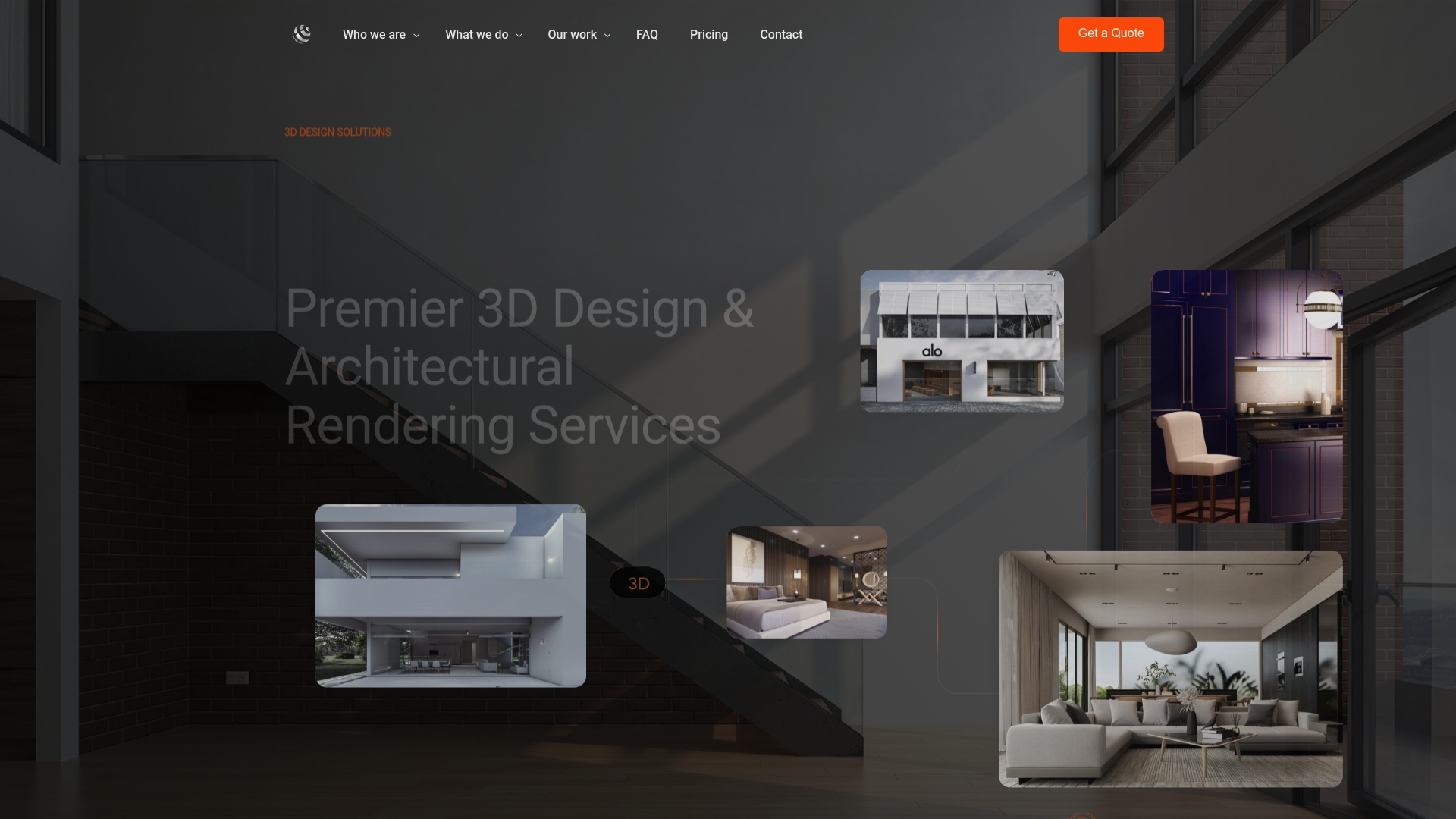
Ready to transform your architectural presentations and win faster approvals? Visit Rendimension today to discover how our 3D visualization expertise can bring your projects vividly to life and help you connect with clients on a new level.
Frequently Asked Questions
What is photorealistic rendering and how can it benefit my architectural projects?
Photorealistic rendering creates lifelike visual experiences that help clients and stakeholders visualize spaces before construction begins. To benefit your projects, consider investing in advanced rendering software to produce detailed images that enhance communication and design clarity.
How can 3D floor plans improve client understanding of architectural designs?
3D floor plans provide a dynamic view of spaces, capturing true proportions and spatial relationships. To ensure clients grasp design intent, use 3D models to showcase room layouts and furniture placement, allowing for more informed design discussions.
What are the advantages of using exterior visualization in architectural projects?
Exterior visualization offers a detailed representation of how structures interact with their environments, aiding in design approvals and stakeholder engagement. Start by integrating environmental context into your exterior visualizations to present a comprehensive view to decision-makers.
How do interior visualizations help in reducing design misunderstandings?
Interior visualizations provide a realistic portrayal of interior spaces, highlighting furniture placement and material interactions. To minimize misunderstandings during the design process, use these visualizations to facilitate clearer communication with clients and encourage rapid design iterations.
What benefits do 3D walkthroughs offer for architectural presentations?
3D walkthroughs allow clients and stakeholders to navigate architectural designs interactively, enhancing comprehension and engagement. To fully leverage this tool, create immersive experiences that enable users to explore spatial relationships and design features in real time.
How can virtual reality visualization enhance client engagement in architecture?
Virtual reality visualization immerses clients in proposed spaces, allowing for interaction and real-time modifications. To improve engagement, invest in high-quality virtual reality setups that let clients explore designs deeply, fostering emotional and intellectual investment in the projects.
Recommended
- Transform Architecture With Advanced 3D Rendering : Rendimension
- High Quality 3D Rendering And Architectural Visualization
- Architectural Visualization Services In Miami: Rendimension
- 3D Walkthroughs Real Estate Agents – Rendimension
- Marble Texture Options: Impact on Luxury Interiors– SurfacesGalore
