In 2026, the pace of innovation in design 3d design is transforming industries from architecture to entertainment. Staying ahead means mastering not only the latest tools, but also the skills and strategies that drive next-generation projects.
This guide is your roadmap to success. Discover key trends, must-have expertise, leading software, and proven workflows that define design 3d design today. Whether you are a designer, architect, engineer, or creative professional, you will find actionable insights to future-proof your career and elevate your craft.
Understanding 3D Design in 2026: Key Concepts and Industry Trends
The world of design 3d design has evolved rapidly, becoming a cornerstone of digital creativity in 2026. At its core, design 3d design refers to the digital creation of three-dimensional models, objects, and environments using specialized software. This discipline began with basic computer-aided design tools, but now integrates artificial intelligence, immersive tech, and cloud-based platforms.
Today, design 3d design is no longer limited to a single industry. Architectural firms use it for planning and visualizing structures, while product designers rely on it for prototyping and manufacturing. The entertainment sector leverages design 3d design for visual effects and game development, and real estate professionals use 3D walkthroughs to showcase properties. Even education and training programs are adopting these tools to create interactive learning experiences.
The trends shaping design 3d design in 2026 are groundbreaking. AI-assisted modeling speeds up concept development and automates repetitive tasks. Real-time rendering lets teams and clients see changes instantly, improving decision-making. Integration with virtual and augmented reality enables immersive presentations and interactive demos. Cloud-based collaboration tools allow teams to work together from anywhere, streamlining project workflows.
Market data underscores the explosive growth of design 3d design. According to recent 3D CAD Software Market Growth Projections, the global market is projected to reach over $21 billion by 2033, reflecting rising demand across architecture, manufacturing, and entertainment. Adoption rates in architecture and entertainment continue to climb as firms recognize the efficiency and competitive edge that design 3d design delivers.
| Industry | Key Use Case | Adoption Rate (2026) |
|---|---|---|
| Architecture | BIM, visualization | 87% |
| Product Design | Prototyping, simulation | 81% |
| Entertainment | VFX, gaming, animation | 93% |
| Real Estate | Virtual tours, walkthroughs | 75% |
The impact of design 3d design is seen in faster project timelines, improved quality, and higher stakeholder engagement. Teams can iterate quickly, identify issues early, and present ideas with stunning realism. Clients are more involved in the process through interactive models and VR experiences, resulting in better outcomes for all parties.
Emerging roles are reshaping the workforce around design 3d design. New positions such as 3D visualization specialist, VR/AR designer, and digital twin developer are in high demand. These professionals bridge the gap between technical skills and creative vision, ensuring projects are both innovative and practical.
Real-world examples highlight the versatility of design 3d design. In architecture, Building Information Modeling (BIM) enables detailed planning and coordination. Manufacturing industries use generative design to optimize components for performance and sustainability. In entertainment, VFX artists and game developers create immersive worlds and lifelike characters that captivate audiences.
The future of design 3d design is bright, driven by continual innovation and cross-industry collaboration. As technology advances, mastering these concepts and staying informed about trends will be essential for professionals aiming to lead in 3D design.
Essential Skills and Knowledge for 3D Designers in 2026
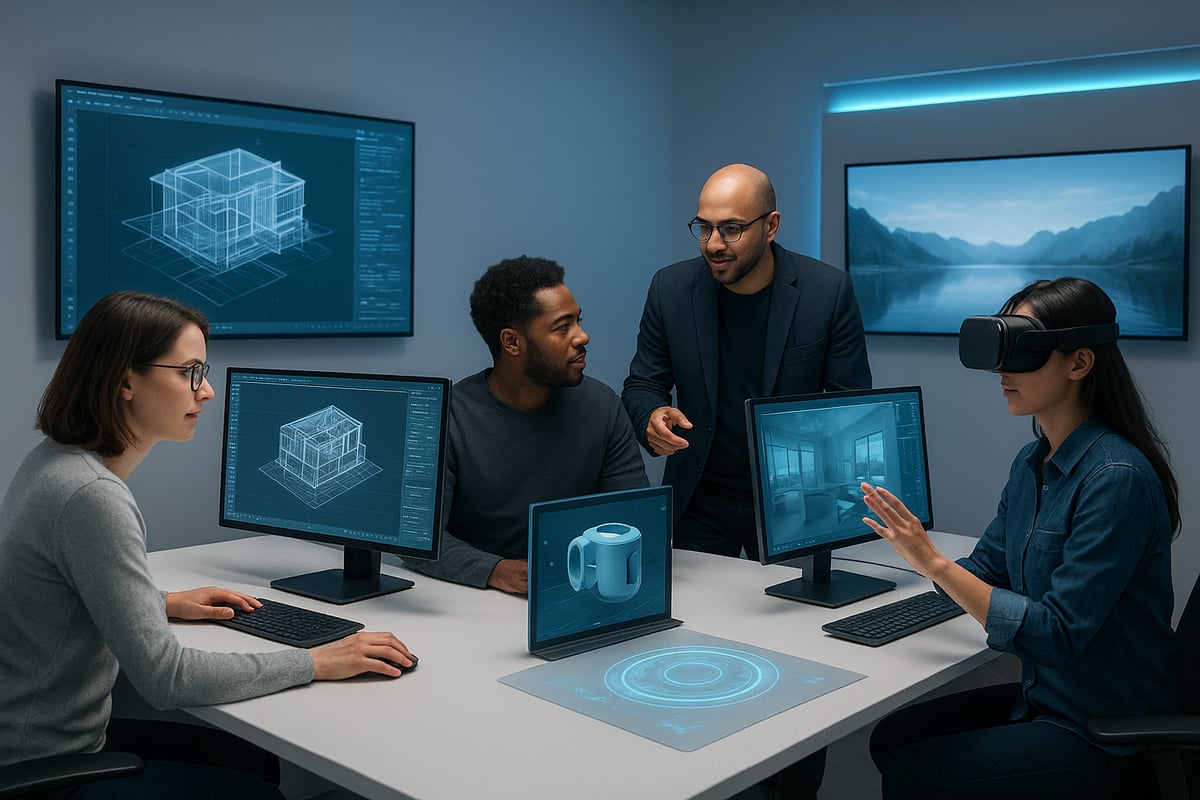
To excel in design 3d design in 2026, professionals need a blend of technical mastery, creative insight, and collaborative abilities. The landscape is evolving quickly, and staying ahead requires a diverse skill set that aligns with new technologies and workflows. Whether you are a designer, architect, or engineer, these core competencies are crucial for success.
Core Technical Skills
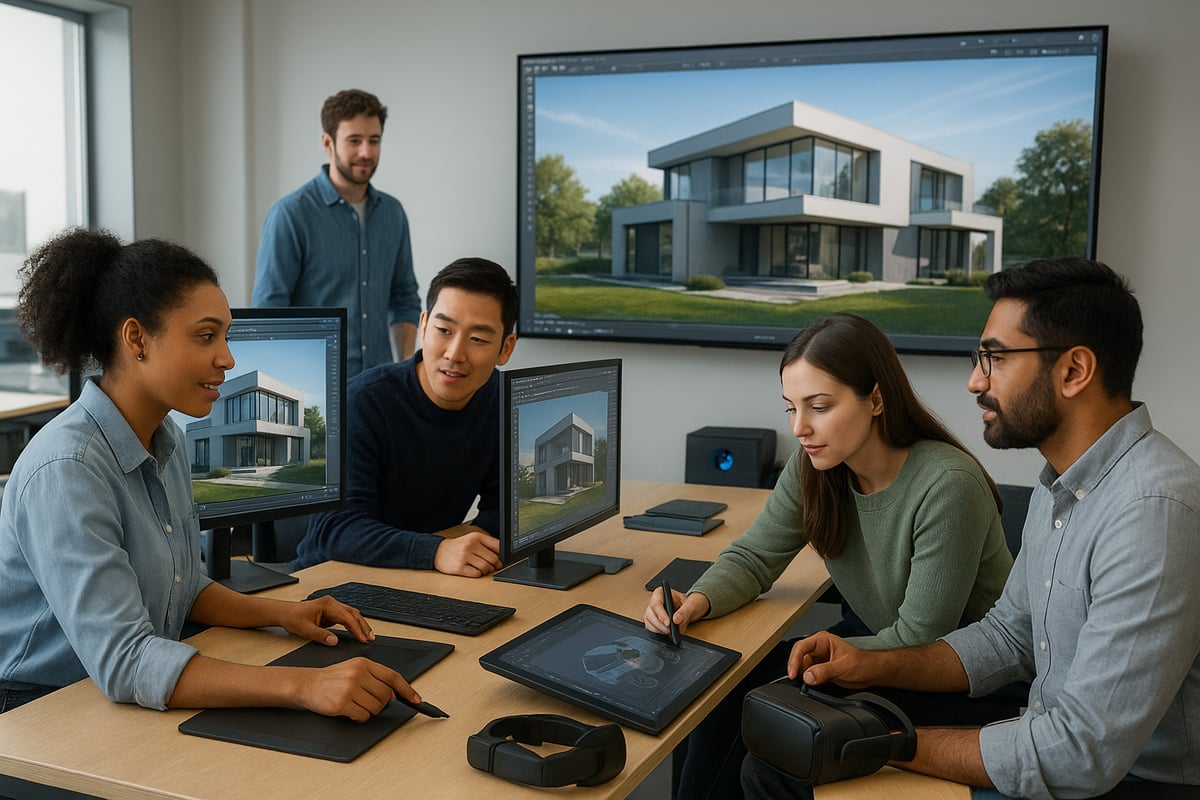
Mastering the technical foundation of design 3d design is essential in 2026. Modern professionals must be proficient in a range of modeling techniques, including parametric, free-form, surface, and mesh modeling. Each approach offers unique advantages for different project types and industries.
Key software expertise is non-negotiable. Leading platforms such as AutoCAD, Revit, Fusion 360, SketchUp, 3ds Max, and Maya dominate the field. Familiarity with simulation and animation tools is also critical, especially for architectural walkthroughs and product demonstrations.
Rendering and material creation are core to producing photorealistic visuals. Understanding the full What is 3D Rendering process—from texturing to lighting—enables designers to bring concepts to life with impressive realism.
File interoperability is another cornerstone. Professionals must confidently handle formats like .JPG, .PNG, .FBX, .OBJ, and .STL, as well as leverage cloud storage for secure collaboration. By building these technical skills, you ensure your design 3d design work is both versatile and future-proof.
Creative and Analytical Abilities
Beyond technical know-how, design 3d design demands strong creative and analytical abilities. Exceptional spatial reasoning allows designers to envision complex forms and structures, transforming ideas into tangible models.
Design thinking is vital for problem-solving within 3D environments. It encourages iteration, innovation, and user-centered solutions. Visual storytelling plays a significant role, helping professionals communicate ideas effectively through detailed renders and immersive walkthroughs.
Attention to detail is paramount for accuracy and realism. Every texture, shadow, and surface must be meticulously crafted to meet client and stakeholder expectations. When you develop these creative strengths, your design 3d design projects gain depth, clarity, and lasting impact.
Collaboration and Communication
Collaboration is at the heart of successful design 3d design projects in 2026. Cloud-based tools enable seamless teamwork, allowing designers, engineers, and clients to co-edit and review models in real time.
Clear client and stakeholder presentations are crucial. Interactive VR walkthroughs and live demos provide engaging ways to showcase your work and gather actionable feedback. Adopting a feedback-driven approach ensures that each iteration aligns with project goals and client vision.
Strong communication skills foster a productive project environment. By mastering these collaborative techniques, you elevate both the efficiency and quality of your design 3d design outcomes.
Staying Current with Industry Trends
The pace of innovation in design 3d design shows no signs of slowing down. Continuous learning is essential for remaining competitive and relevant. Online courses, professional certifications, and industry events such as Autodesk University and 3D Basecamp offer valuable opportunities for upskilling.
Engagement in online communities and forums helps you stay connected with peers, share knowledge, and keep up with the latest trends and tools. By embracing lifelong learning, you position yourself to adapt to new technologies and maintain excellence in your design 3d design career.
The 3D Design Process: Step-by-Step Workflow for 2026
Mastering the design 3d design process in 2026 means understanding a dynamic, iterative workflow. Each stage, from initial brainstorming to final presentation, leverages evolving technology and collaborative practices. Let’s break down the essential steps professionals follow to deliver outstanding results in the design 3d design field.
Step 1: Ideation and Concept Development
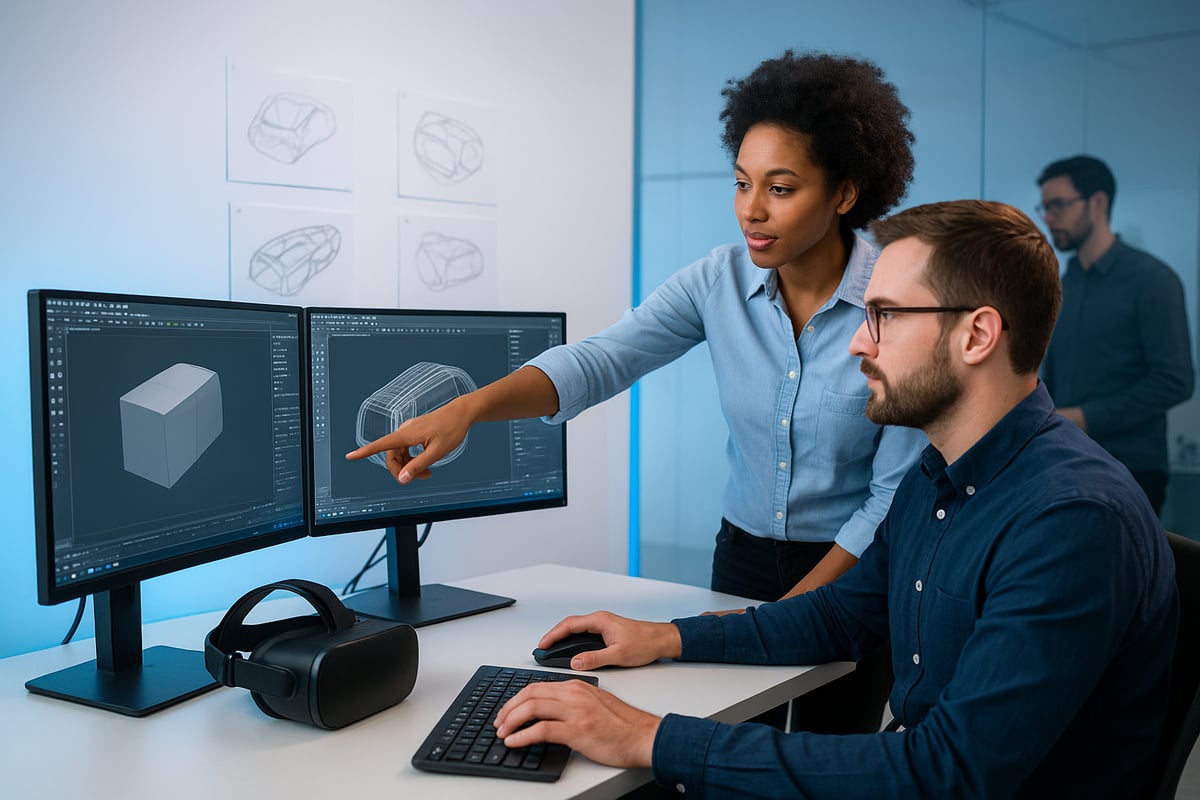
Every successful design 3d design project begins with ideation. This phase involves gathering detailed requirements from clients or stakeholders, ensuring everyone’s vision aligns.
Designers start sketching initial concepts, using both digital tablets and traditional hand-drawn methods. Mood boards and reference models play a vital role, helping communicate inspiration and intended direction.
At this stage, creativity should flow freely. The design 3d design process benefits from exploring multiple concepts, encouraging feedback, and refining ideas before moving to digital modeling. Setting clear project goals early streamlines the workflow and sets the stage for efficient development.
Step 2: Choosing the Right Software and Tools
Selecting the ideal toolkit is pivotal in design 3d design projects. Evaluate the project’s scope, required features, and team preferences to choose from leading platforms like Revit for BIM, Fusion 360 for product design, or browser-based SketchUp for rapid modeling.
Cloud-based tools offer flexibility, supporting remote collaboration and real-time updates. Desktop solutions may provide greater processing power for complex models.
Enhance capabilities by integrating plugins or extensions tailored to your industry. The right setup ensures a smooth transition from concept to execution and supports all stages of the design 3d design workflow.
Step 3: Modeling and Drafting
With tools in place, it’s time to build the core geometry of your design 3d design project. Start by selecting the appropriate modeling approach: parametric for precision, free-form for organic shapes, or mesh modeling for detailed surfaces.
Adopt best practices such as maintaining clean topology and organizing layers or components for easy edits. AI-assisted features can speed up the process, offering automatic optimizations and detecting errors before they become costly.
This phase is where the design 3d design starts to materialize, so focus on accuracy and adaptability to accommodate future changes or stakeholder feedback.
Step 4: Texturing, Materials, and Lighting
Realism in design 3d design relies heavily on effective texturing and lighting. Apply high-quality textures that match your reference materials, and use physically-based rendering (PBR) materials for accurate surface properties.
Set up dynamic lighting environments to simulate natural or artificial light, casting realistic shadows and highlights. Experimenting with different lighting setups can dramatically alter the mood and impact of your visuals.
Attention to detail here elevates the overall quality of the design 3d design, making your models more compelling and lifelike for presentations or reviews.
Step 5: Rendering and Visualization
Rendering transforms your 3D models into photorealistic images or immersive animations. Real-time rendering is now standard in modern design 3d design workflows, enabling rapid iteration and immediate feedback.
Prepare your models for VR or AR demonstrations to enhance stakeholder engagement. If you want to dive deeper into visualization best practices, the 3D Visualization and Rendering Guide offers essential techniques for producing impactful results.
By mastering rendering technologies, you can showcase your design 3d design projects in ways that resonate with clients and decision-makers.
Step 6: Review, Collaboration, and Feedback
Collaboration is central to the design 3d design process in 2026. Share your models via secure cloud platforms, allowing team members and clients to review progress from anywhere.
Gather constructive feedback through virtual meetings or interactive walkthroughs. Use project management and version control tools to track changes and maintain clear communication.
This iterative cycle ensures the design 3d design meets all expectations, streamlining revisions and fostering a transparent workflow.
Step 7: Final Output and Presentation
Once approved, export your design 3d design deliverables in required formats like .FBX, .OBJ, .STL, .JPG, or .PNG. Prepare high-impact presentations using animated walkthroughs or immersive VR experiences.
Tailor your output to the audience, ensuring clarity and visual appeal. This step is where your design 3d design work shines, ready to impress stakeholders and end users alike.
Best Practices and Pro Tips
To excel in design 3d design, follow best practices for file management and data security. Organize assets in logical folders, use cloud backups, and maintain clear naming conventions.
Optimize models for performance, especially if they will be used across different platforms or devices. Automate repetitive tasks with scripting tools to boost efficiency.
Continuous improvement is crucial, so explore new features, plugins, and workflows to keep your design 3d design skills sharp and future-ready.
Leading 3D Design Software and Tools for 2026
Choosing the right design 3d design software is crucial for professionals aiming to stay competitive in 2026. The landscape is evolving rapidly, with platforms offering greater power, flexibility, and collaboration features than ever before. Understanding the strengths of each tool helps you tailor your workflow and achieve the best results.
Feature Comparison of Top Platforms
The design 3d design ecosystem is dominated by a few industry leaders, each offering unique strengths. Autodesk’s suite remains a go-to for architecture, product design, and entertainment, while SketchUp is favored for browser-based modeling and seamless collaboration. Licensing models also vary, with subscription and educational options available.
| Platform | Key Strengths | Licensing |
|---|---|---|
| AutoCAD | Precision drafting, interoperability | Subscription, Edu Access |
| Revit | BIM, construction collaboration | Subscription, Edu Access |
| Fusion 360 | Generative design, simulation | Subscription, Free Tier |
| 3ds Max/Maya | Animation, VFX, entertainment | Subscription |
| SketchUp | Browser-based, cloud, easy learning | Subscription, Free/Edu |
Market insights show that the global visualization and 3D rendering software market is projected to reach $13.3 billion by 2030, reflecting the growing adoption of design 3d design platforms across sectors. For more details, see the Visualization and 3D Rendering Software Market Forecast.
Specialized Tools for Industry Needs
Different industries demand tailored design 3d design solutions. In construction and infrastructure, BIM tools like Revit and Navisworks drive project accuracy and efficiency. For manufacturing, Fusion 360 and Inventor enable generative design and advanced simulation. Entertainment professionals rely on 3ds Max, Maya, and Arnold for realistic VFX and animation.
- Architecture: Revit, Navisworks (BIM)
- Product Design: Fusion 360, Inventor (generative design)
- Entertainment: 3ds Max, Maya, Arnold (VFX, animation)
Selecting specialized tools ensures your design 3d design projects meet industry requirements and technical standards.
Integration and Collaboration Capabilities
Modern design 3d design projects thrive on seamless collaboration. Cloud-based solutions like Autodesk and Trimble Connect allow real-time co-editing, project management, and secure file sharing. VR and AR export features are now integrated into leading platforms, enabling immersive presentations and stakeholder engagement.
- Real-time teamwork, feedback, and version control
- Cross-platform file compatibility for smooth handoffs
- VR/AR presentation-ready exports for client reviews
Investing in collaborative tools streamlines your design 3d design workflow and boosts productivity.
Choosing the Right Tool for Your Workflow
Selecting the ideal design 3d design platform depends on your project scope, team size, and budget. Assess whether you need desktop power or browser flexibility, and evaluate scalability for future growth. Customization options, strong community support, and robust learning resources are key factors.
Ask yourself:
- Does the tool support your core design 3d design needs?
- Can it scale with your team and projects?
- Is there an active user community for troubleshooting and tips?
A thoughtful evaluation ensures your design 3d design tools align with your long-term goals.
Rendimension: Elevating 3D Visualization and Rendering
For professionals seeking next-level design 3d design outcomes, Rendimension delivers photorealistic renderings, immersive VR experiences, and high-impact visualizations. Their services support architecture, product design, and virtual reality projects, transforming concepts into award-winning visuals. Explore more about the future of 3D rendering and how Rendimension can elevate your presentation and client engagement.
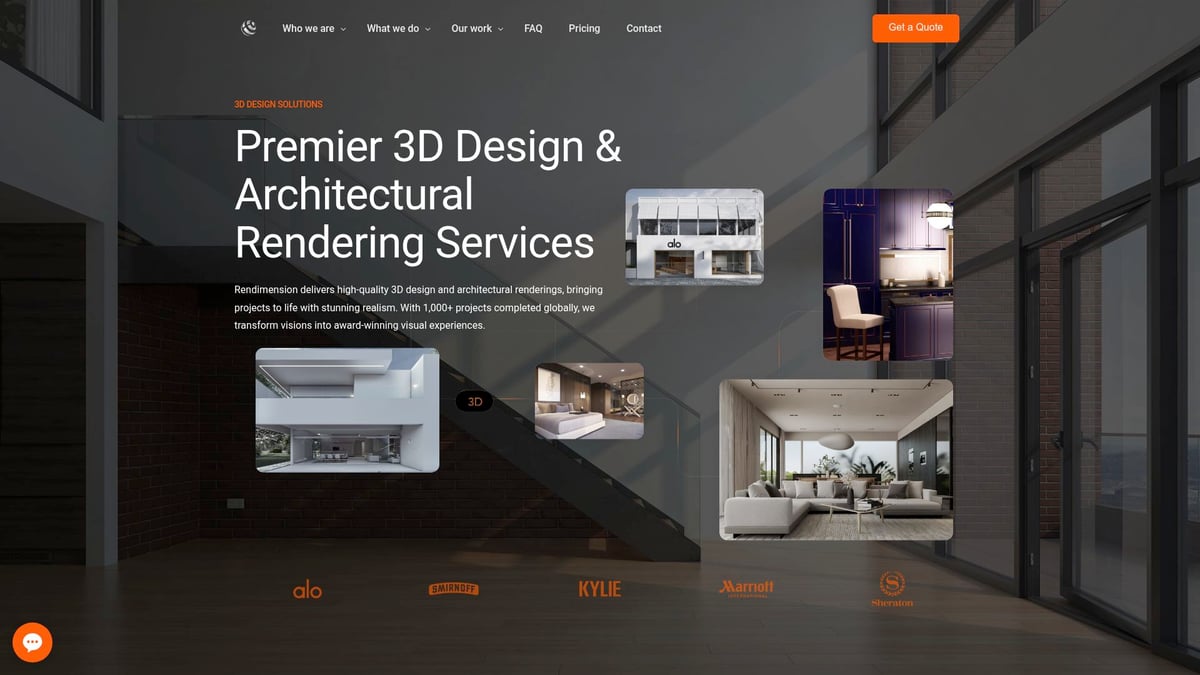
Partnering with Rendimension ensures your design 3d design projects achieve exceptional realism and impact, positioning you at the forefront of the industry.
Future-Proofing Your 3D Design Career: Trends, Certifications, and Opportunities
Staying ahead in design 3d design requires more than mastering today’s tools. The landscape is shifting rapidly, and professionals must anticipate, adapt, and upskill to remain competitive. Let’s explore the essential trends, certifications, and strategies that will future-proof your design 3d design career through 2026 and beyond.
Emerging Technologies and Their Impact
Emerging technologies are transforming design 3d design, unlocking new creative possibilities and efficiencies. Artificial intelligence is now a core part of the workflow, driving generative design, automating repetitive modeling tasks, and enabling predictive simulations. Designers can leverage AI to create complex forms, optimize structures, and speed up iterations.
Another major trend is the integration of virtual and augmented reality. VR and AR make it possible to present immersive environments, allowing clients to walk through spaces or interact with virtual prototypes. This not only enhances engagement but also improves project outcomes by revealing design issues early.
Digital twins are also gaining traction, especially in architecture and smart infrastructure. These dynamic 3D models sync with real-time data, enabling ongoing monitoring and optimization of buildings and products.
For a deeper dive into the most critical trends shaping the future of design 3d design, including AI-driven workflows and hybrid illustration, see Emerging 3D Art Trends for 2026.
In-Demand Certifications and Learning Paths
Continuous learning is essential in design 3d design. Industry-recognized certifications can set you apart and validate your expertise. Leading credentials include:
- Autodesk Certified Professional (AutoCAD, Revit, Fusion 360)
- SketchUp Certification
- Certified SolidWorks Professional
Online learning platforms and industry events offer structured paths for upskilling. Courses on Coursera, Udemy, and LinkedIn Learning cover the latest features, while events like Autodesk University provide hands-on workshops and networking.
Staying certified ensures your design 3d design skills are current and marketable.
Building a Standout Portfolio
A compelling portfolio is your ticket to success in design 3d design. Focus on showcasing a diverse range of project types, from architectural visualizations to product renders and entertainment assets. Each piece should highlight your creative process, problem-solving ability, and attention to detail.
Consider including:
- Before-and-after iterations to demonstrate growth
- VR walkthroughs or interactive demos for immersive impact
- Explanations of your workflow, tools, and decision-making
Present your design 3d design work with clarity and narrative. Employers and clients value portfolios that tell a story and reveal your unique approach.
Networking and Community Engagement
Networking is vital for anyone aiming to excel in design 3d design. Active participation in professional forums, such as the Autodesk Community and SketchUp Forum, fosters knowledge sharing and collaboration. These platforms are ideal for asking technical questions, sharing tips, and staying updated on software releases.
Attend webinars, conferences, and 3D design competitions to expand your network. Engaging with peers and industry leaders opens doors to new opportunities, collaborations, and insights.
Building relationships within the design 3d design community keeps you informed and inspired.
Career Paths and Industry Opportunities
The demand for design 3d design professionals is rising across sectors. Key roles include:
- 3D visualization specialist
- VR/AR designer
- BIM manager
- Product visualization expert
Industries such as architecture, real estate, product design, entertainment, and corporate training are actively seeking skilled designers. According to recent industry reports, salaries are trending upward, especially for those with advanced visualization and VR expertise.
For inspiration on how 3D design is revolutionizing architecture, explore Architectural Visualization Insights, which showcases real-world applications and innovative workflows.
Staying Ahead: Mindset and Adaptability
To truly future-proof your design 3d design career, cultivate a growth mindset and embrace change. Commit to lifelong learning, experiment with new technologies, and remain adaptable as the industry evolves.
Those who proactively seek knowledge and adapt quickly will always find opportunities in design 3d design.
